Naturally occurring radioactivity is in the air we breathe, the food we eat and the buildings we live in.
What is natural background radiation?
Natural background radiation is the ionising radiation in the environment that all living species are exposed to every day. The largest source of radiation exposure comes from natural radioactivity in rocks and soil, and the inhalation of radon gas that seeps from the Earth’s crust into the air. There are also contributions from cosmic radiation, which comes from outer space, and naturally occurring radioactivity in food and the human body.
How much background radiation is there in Australia?
The amount of background radiation present depends on many factors, like the type of soil and rock present, altitude, latitude and an individual’s diet. While this can make exposure highly variable, on average, Australians are exposed to 1.7 millisievert (mSv) each year from natural sources. This is about the same amount of radiation received from 75 chest X-rays. At this level, there is no evidence of human health effects.
What about artificial sources of radiation?
Sometimes artificial sources of radiation are also included as ‘background’ radiation. However, medical diagnostic tests and treatments received as a patient are the largest source of artificial ionising radiation exposure in Australia. Figure 1 compares the average annual exposure due to some of the different types of radiation in Australia.
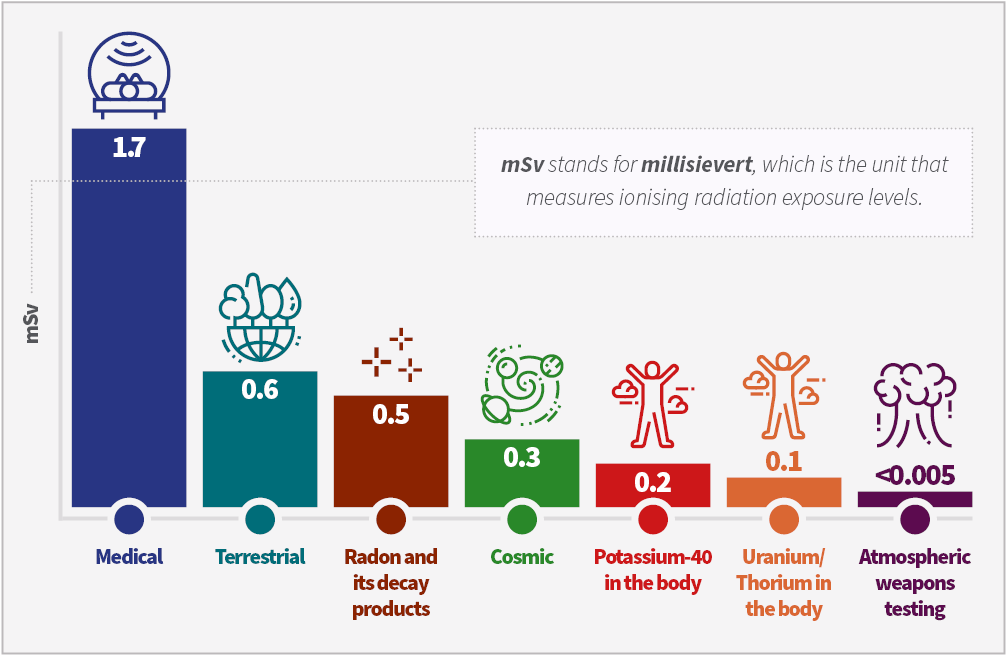
Figure 1: Average yearly radiation exposure in Australia
Is artificial radiation more dangerous than natural radiation?
There is no general physical property that makes artificial ionising radiation different or more damaging than the ionising radiation from natural radioactive material. This means that we can make direct comparisons between exposures from artificial sources of ionising radiation and those from natural sources. The harmful effects of ionising radiation are related to the amount of radioactivity present, the type of radioactive decay (alpha, beta, gamma) and the way a person is exposed to the radiation (e.g. external exposure, inhalation, ingestion).
Risk and potential health effects
There have been many large studies on people developing cancer from radiation exposure. Scientific evidence shows that the increased risk of developing cancer occurs at exposure levels of 100 mSv or higher. However, it is worth noting that outside of radiotherapy treatments, which is the targeted use of radiation to destroy cancer cells, the risk of being exposed to radiation doses at 100 mSv or higher is extremely low. This is because there are a very limited number of radioactive sources in Australia that could deliver radiation doses at this level.
For radiation exposures less than 100 mSv, the scientific evidence for increased health risk is more limited. This is because the risk of developing cancer from low radiation dose is very small compared to the overall cancer rates, which makes it very difficult to measure, even with a very large study. It is plausible that health effects could occur at levels below 100 mSv.
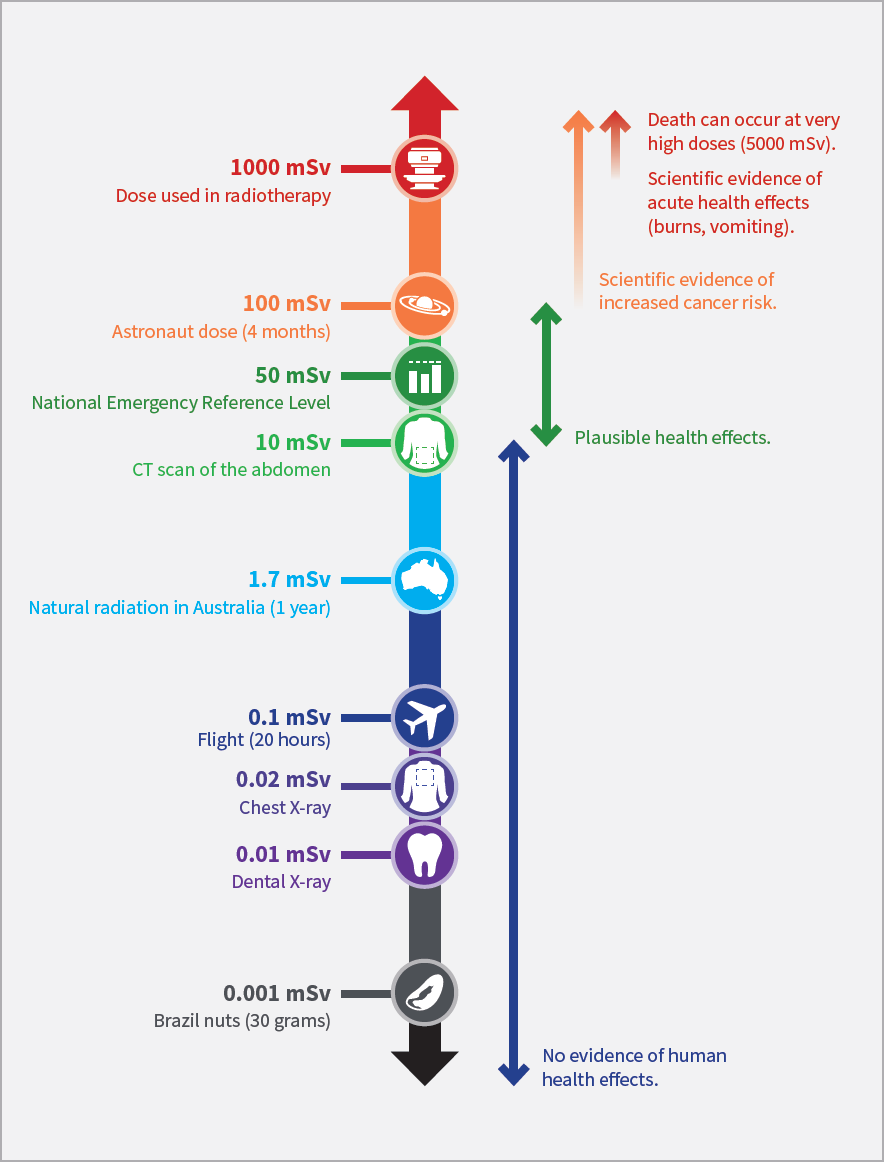 Figure 2: Sources of ionising radiation and their potential health effects.