

Acknowledgement of Country
From our scientists to the world’s first scientists, we respectfully acknowledge Traditional Owners and First Nations communities and their rich cultures. We recognise, respect and continue to learn from Indigenous sciences, and the deep understanding and observations of land, waters and sky carried and shared by First Nations peoples over thousands of years.
CEO foreword
I am pleased to present ARPANSA’s 2026–27 Corporate Plan.
Australia has achieved a critical milestone in advancing radiation protection and nuclear safety with the delivery of the enduring Australian Radiological and Nuclear Events Plan (AUSRNEPLAN) in April 2026. Led by ARPANSA, the plan outlines Australian Government coordination arrangements in the unlikely event of a radiological or nuclear incident.
As the Australian Government’s primary authority on radiation protection and nuclear safety, ARPANSA has delivered the AUSRNEPLAN alongside a continuing program of regulatory assessments, delivery of critical health and scientific services and support for the dedicated Australian Naval Nuclear Power Safety Regulator (ANNPSR), which was established on 1 November 2025.
In a complex regulatory environment, ARPANSA plays a critical role in promoting a uniform approach to safety and security of radiological material. Over the coming years, we will continue to work alongside ANNPSR to develop fit-for-purpose regulatory guidance and deliver technical support services to enhance effective regulation across civil and military activities.
We will maintain and continue to build the Radiation Protection Series, the national publication series for radiation related codes, standards and guidance that supports consistent radiation regulation and protection standards for all Australians.
These significant activities occur on a backdrop of technological advances, elevated interest in nuclear safety and security and continued global conflict and uncertainty.
This plan outlines ARPANSA’s strategic priorities and activities that deliver on our purpose to protect people and the environment. It also reflects the significant steps we have taken to adapt to a changing landscape and modernise our governance, infrastructure and operations.
Artificial Intelligence is changing the way we work and impacting how customers, contacts and collaborators interact with ARPANSA. ARPANSA is exploring how technology can be further leveraged to support efficiency while maintaining our commitment to accuracy, quality and appropriate stewardship.
We are embarking on a significant program to uplift key scientific infrastructure, including replacing the ageing Cobalt-60 source in ARPANSA’s teletherapy laboratory. This investment will enable ARPANSA to continue to provide confidence in radiation doses delivered and protection for patients undergoing radiotherapy for over a decade. ARPANSA will also commence a new project to build state of the art radiochemistry laboratories to enhance environmental measurement capabilities.
These initiatives are critical to Australia’s sovereign capability to provide radiation protection for patients, workers and ecosystems.
This work would not be possible without the unique skills and expertise of ARPANSA’s staff as we strive to deliver best practice regulation, services and health advice across all facets of our remit.
ARPANSA continues to invest in our people to maintain capability and ensure our agency is an attractive place to work so we can continue our service to the Australian community.
We will endeavour to deliver according to the targets outlined in this plan, as we work to protect Australia’s communities, workers, patients, and the environment from the harmful effects of radiation.
Statement of preparation
I, Dr Gillian Hirth AO, as the accountable authority of the Australian Radiation Protection and Nuclear Safety Agency (ARPANSA), present the 2026-27 ARPANSA Corporate Plan, which covers the period of 2026-27 to 2029-30, as required under paragraph 35(1)(b) of the Public Governance, Performance and Accountability Act 2013 (PGPA Act).
Dr Gillian Hirth AO, CEO of ARPANSA
Introduction
Our purpose
ARPANSA’s purpose is defined in section 3 of the Australian Radiation Protection and Nuclear Safety Act 1998 (ARPANS Act) – to protect the health and safety of people, and to protect the environment, from the harmful effects of radiation.
Our role
As Australia’s primary authority on radiation protection and nuclear safety:
Regulation
We are the independent regulator of Commonwealth entities that use or produce radiation. Using a risk-informed regulatory approach, we ensure that licensees take responsibility for protection of people and the environment from the harmful effects of radiation.
Expertise
We build and maintain expertise in measurement of radiation and assessment of health impacts, including the assessment of risks and responses to radiation incidents.
Services
We offer high-quality services for the purpose of protection against the harmful effects of radiation.
Outcome and Commonwealth programs
This plan is directly aligned to the outcome and programs set out in the Department of Health, Disability and Ageing 2026-27 Portfolio Budget Statements (PBS).
Government outcomes are the intended results, impacts or consequences of actions by the Australian Government on the community. Commonwealth programs are the primary vehicle by which government entities achieve the intended results of their outcome statements.
Outcome 1: Protection of people and the environment through radiation protection and nuclear safety research, policy, advice, codes, standards, services and regulation.
- Program 1.1 – Radiation protection and nuclear safety
Protect the Australian people and the environment from the harmful effects of radiation through effective, risk-informed regulation and delivery of services under the ARPANS Act. Scientific knowledge and international best practice are applied to promote awareness of the effects of radiation and a nationally uniform approach to radiation protection of people (the public, workers, and patients undergoing medical procedures using radiation) and the environment.
- Program 1.2 – Nuclear-powered submarines
Support delivery of nuclear-powered submarines capabilities through radiation protection and nuclear safety research, policy, advice, codes, standards and services.
- Linked program 1.8 – Health protection, emergency response and regulation
The Department of Health, Disability and Ageing has strategic policy responsibility for the Commonwealth regulatory framework for radiation protection and nuclear safety and works with ARPANSA to provide national leadership for consistency of regulation. The Department has responsibility for supporting health system emergency preparedness and response arrangements and considering best practice for health technologies related to radiation and nuclear safety.
Our key activities

To support the achievement of our purpose, outcomes and programs, ARPANSA has identified the following key activities1:
- A leader: We initiate and promote uniformity for protection and safety.
- A health advisor: We provide expert research, evaluations and advice.
- A service provider: We deliver high‑quality scientific and technical services.
- An independent regulator: We deliver effective and risk-informed regulation.
- A resilient organisation: We are a capable, sustainable and empowered agency.
1The revised key activities were formally finalised in May, and, as such, were not published in ARPANSA’s chapter of the Department of Health, Disability and Ageing 2026-27 Portfolio Budget Statements.
Our operating context
ARPANSA operates in a complex and evolving environment that presents both challenges and opportunities. How we anticipate, adapt and respond to these factors has a considerable impact on our success in delivering against key activities and purpose. To inform our corporate planning processes, we have identified 5 key environmental factors that may influence our operating environment, and our strategic response.
Technical service support to ANNPSR
| Factors | How we will respond |
The establishment of the new Australian Naval Nuclear Power Safety Regulator (ANNPSR) within the Defence portfolio on 1 November 2025 marked a critical milestone in Australia’s optimal pathway to acquire conventionally armed, nuclear-powered submarines. How it will impact us The Nuclear-Powered Submarine (NPS) program will increase Australia’s nuclear operating footprint, and, in turn, the nation’s need for technical and scientific expertise in nuclear safety and radiation protection. | ARPANSA has forged strong working relationships with ANNPSR and other nuclear agencies within the broader ecosystem of nuclear-powered submarine regulation. With ANNPSR now operational, ARPANSA’s role has shifted to a new phase – one where our experts are providing sovereign unique capabilities to support ANNPSR’s regulatory role. The continuation of Australian Government resourcing for ARPANSA’s support for the NPS program until the end of June 2028 means that ARPANSA is well prepared and resourced to meet the future needs of this program, while continuing to meet ongoing service delivery deadlines with other Commonwealth agencies. The key pillars of this evolving relationship include providing ARPANSA’s well established expertise to enhance ANNPSR’s nuclear baseline competencies and capabilities, and the efficient delivery of independent technical, scientific and regularly support. To deliver on this, the agency will focus on building capability and capacity by uplifting specialised laboratories and expanding existing environmental monitoring services. This work will be delivered through ARPANSA’s new Technical and Scientific Services (TSS) section. Under this arrangement, ARPANSA’s experts will provide a range of niche services to ANNPSR, as well as other government customers. These include independent modelling, radiological safety assessments, laboratory testing, and environmental testing. The TSS will also undertake engagement with a range of government agencies, including ANNPSR, state and territory radiation safety regulators and other Australian Government entities. Collectively, these capabilities aim to deliver independent support to ANNPSR and other Commonwealth agencies requiring our unique services, and reinforce our critical role in promoting a uniform approach to safety and security of radiological material. |
Changes to the Australian Government Crisis Management Framework
| Factors | How we will respond |
The 2024 review of the Australian Government Crisis Management Framework (AGCMF) identified a new, required coordination capability in radiological emergency preparedness and response through the AUSRNEPLAN. One of the outcomes of this review was the nomination of ARPANSA as the lead Australian Government Coordinating Agency for nuclear and radiological events. How it will impact us The agency’s expanded role under the AUSRNEPLAN requires a substantial uplift in ARPANSA’s emergency preparedness and response capabilities and resourcing. | ARPANSA officially took on the role of sector lead agency for radiological and nuclear incidents under the AGCMF (and its relevant plans) in September 2024. The agency has a long history of working with a range of stakeholders across Commonwealth and state and territory governments to contribute to effective emergency management, and during this period ARPANSA’s role in this space was elevated and formalised. Existing responsibilities include leading and participating in a range of exercises, providing support for domestic and international incidents, and providing radiological monitoring capability during visits from foreign nuclear-powered warships to Australian ports. Internationally, some nuclear facilities and infrastructure have been targeted or at risk during recent conflicts, thus elevating global interest in nuclear safety and security. ARPANSA’s new role means that our experts are on the front line of international discussions and engagements on nuclear safety practices and are available to support the Department of Foreign Affairs and Trade (DFAT) in planning and responding to any international emergencies. To support this vital work, the agency has initiated a comprehensive range of additional responsibilities and capabilities. These include an annual exercise conducted by ARPANSA’s Radiochemistry Laboratories with the Australasian Radioanalytical Laboratory Network. This exercise will use scenario testing to test our national response capability. ARPANSA’s environmental monitoring program has also been expanded, and will capture annual water, soil and biota testing in port areas that may host nuclear-powered naval vessels. It is anticipated that this will be extended in 2026-27 to include air monitoring capabilities following the installation of gamma detectors at these key sites. In addition to these activities, ARPANSA also oversees the activation of the Radiation Emergency Coordination Centre (RECC) – another crucial element of our response capability. The RECC coordinates the agency’s response to a radiological and/or nuclear emergency, and provides support to DFAT and broader Commonwealth crisis arrangements under the AUSRNEPLAN. Together, these measures will position ARPANSA to deliver its expanded crisis coordination role for radiological and nuclear events with greater confidence, capability and national reach. |
Public sentiment towards radiation
| Factors | How we will respond |
ARPANSA operates in a dynamic and evolving environment, one shaped by technological advancement, the increased use of medical radiation, and geopolitical instability. In recent years, global conflicts have heightened awareness of radiological risks and the need for effective international coordination. Domestically, emerging activities such as the NPS program have increased regulatory complexity and reinforced the importance of strong governance, independent oversight, and public assurance. The Australian public needs timely access to accurate information even where scientific evidence demonstrates low risk. Consultation, transparency and accountability are key to public trust in regulatory and licence holder activities. How it will impact us The complex landscape of radiation safety continues to attract intense public scrutiny and divergent views. This a strong driver behind ARPANSA’s continued focus on providing the Australian public with timely advice, clear and consistent explanations of complex technical issues, and reassurance regarding safety and compliance. In particular, the agency is mindful that careful stakeholder engagement – particularly where decisions affect communities, industry sectors or sensitive national initiatives – is integral to our legislated role as an expert health advisor. | ARPANSA actively prioritises transparency, evidence based communications and meaningful engagement to support public confidence in the regulation of radiation and nuclear activities. In particular, the agency has established a range of mechanisms to ensure information is accessible, decisions are well explained, and stakeholders can engage with regulatory and scientific processes. These include: Robust consultation processes Open and transparent consultation with licence holders and government stakeholders ensures regulatory decisions are informed, proportionate and clearly communicated. This includes providing opportunities for the public, industry and licence holders to comment on proposed radiation codes, licensing decisions and safety standards, and related regulatory guidance. To support this process, ARPANSA’s consultation hub provides a streamlined and accessible feedback mechanism for the Australian public and other stakeholders to engage with regulatory documents and decisions. Helpful resources ARPANSA has a broad range of targeted communications products, such as fact sheets and plain English resources, which explain scientific issues and regulatory safeguards to the general public. These are available on our website, and are regularly updated in line with the latest, verified scientific advice. Alongside this, ARPANSA’s scientific and technical experts regularly publish articles in respected and peer-reviewed journals. This work is a vital cornerstone of our strong reputation as radiation protection and nuclear safety experts. Public and peer engagement Crucially, public engagement mechanisms provide an opportunity for the broader community to connect with ARPANSA scientists and ask questions or raise concerns about radiation and nuclear issues. We communicate our expertise to promote participation and shared understanding in the following ways:
Through these measures, ARPANSA continues to build and maintain trust, address community concerns, and ensure that public sentiment is informed by credible evidence and clear regulatory assurance regarding radiation protection and nuclear safety. |
Digital transformation and AI
| Factors | How we will respond |
Together, digital transformation and artificial intelligence (AI) are fundamentally reshaping how ARPANSA operates. The agency is transitioning toward a more integrated, data-driven and secure digital environment, where technology is a core enabler of regulatory effectiveness and public value. Success in this space depends on maintaining the right balance between innovation and control, and ensuring that new technologies are adopted in a way that strengthens capability, protects the integrity of data and systems, and upholds public trust. How it will impact us Technology trends and whole-of-government mandates offer both opportunities, and complex challenges, for the agency. Cloud adoption is enabling greater scalability and resilience, while requiring ongoing compliance with evolving security and privacy standards. The growth of AI is raising expectations for improved service delivery and productivity, alongside stronger governance and transparency. At the same time, the rise in cyber threats is reinforcing the need for robust, risk-managed cyber capability. And finally, the expansion of data-driven services is elevating the importance of data governance and stewardship. Together, these drivers are compelling ARPANSA to modernise its digital infrastructure, uplift workforce capability, embed security and governance, and move toward more integrated, enterprise-wide digital services. | In an increasingly complex and technology-driven environment, ARPANSA will continue to take a structured and risk-informed approach to digital transformation, ensuring innovation is balanced with strong governance and operational integrity. Building on key enterprise system initiatives, over the next 12 months the agency will focus on strengthening its digital foundations to better support integration, data quality, and service delivery. This includes refining its project delivery framework to enable clearer scoping for IT projects, improved funding alignment, and stronger accountability across digital investments. A renewed focus on enterprise architecture will address long-standing fragmentation and provide a structured pathway for innovation, ensuring systems are better integrated and aligned to business outcomes. In parallel, ARPANSA will continue to progress its digital environment in a measured and coordinated way, improving how systems, platforms and data work together across the agency. A stronger enterprise approach, supported by cloud and other platform capabilities, will underpin this direction, ensuring digital services are scalable, secure, and sustainable. Ongoing workforce training will remain a critical enabler, ensuring staff are equipped with the skills required to operate effectively in a modern digital environment. As part of this transformation, ARPANSA will continue to take a deliberate and controlled approach to AI, one which recognises both its potential benefits and associated risks. The agency will continue to uplift its use of secure, enterprise AI tools to support productivity and insight, while maintaining strong governance, transparency and human oversight. Clear guardrails, including ethical frameworks, approval processes and staff guidance, will be reinforced to ensure AI is used safely, securely and in line with policy obligations. Alongside this, the agency will continue to advance its cybersecurity capability as a core component of digital transformation. This will be guided by a cybersecurity roadmap to embed risk-informed protection and secure-by-design practices across all technology delivery, in line with its risk posture and compliance responsibilities. |
Small agency challenges: compliance
| Factors | How we will respond |
The Commonwealth’s continued focus on integrity, transparency and effective stewardship across the Australian Public Service (APS) is driving an expansion in compliance expectations. Like all Commonwealth entities, ARPANSA is required to meet a broad range of legislative, regulatory and policy obligations which span multiple fields. As both a regulator and service provider, ARPANSA’s governance systems must also adapt quickly to an evolving regulatory environment, while maintaining compliance with relevant standards and accreditation requirements. This increasing regulatory complexity is occurring in a context of stretched resources, requiring ARPANSA to take a considered, risk-based approach to sustain effective operational performance while prioritising and adhering to our compliance responsibilities. How it will impact us ARPANSA’s ability to meet its strategic priorities and key activities depends on maintaining an efficient compliance culture and a clear governance framework. As a small agency, inefficiencies have a greater impact on our limited resources. Effectively communicating compliance requirements to staff also requires dedicated time and resources. As such, the agency must carefully balance competing priorities to ensure we are delivering on our core functions. ARPANSA recognises that duplication, unclear responsibilities and inconsistent compliance approaches can quickly reduce available capacity, and limit the agency’s ability to focus on proactive regulatory activities and continuous improvement. | With an average staffing level of 178, ARPANSA falls within the ‘small’ category for Commonwealth entities. Our smaller budget and head count places pressure on individual areas to adequately resource additional compliance overheads, while maintaining an already broad remit. ARPANSA recognises that strong prioritisation, efficient processes and effective use of staff capability are critical to managing this challenge. To support this, in 2026-27 we are undertaking a targeted uplift of frameworks and supporting documentation to improve clarity, consistency and usability, while reducing duplication and administrative burden. ARPANSA will also review and refine its compliance framework to support a more efficient demonstration of compliance with legislative, audit and accreditation requirements (including National Association of Testing Authorities standards), and to better align overlapping obligations. With limited resources, ARPANSA adopts a risk-based and proportionate approach to assurance and continuous improvement. Effort will therefore be prioritised towards areas of non-compliance and risk with the greatest potential to impact delivery of strategic objectives. ARPANSA will continue to strengthen organisational culture across work health and safety, psychosocial wellbeing, security, safety and risk management, and will leverage whole-of-government forums and shared resources to build capability, reduce workload and better integrate risk, safety and security considerations into decision-making. This will help us focus on what matters most, understand the risks of stopping activities, and find the simplest way to deliver results within our resources. |
Our capability
Workforce
Current capability
ARPANSA’s culture is characterised by a deep commitment to our purpose, and our people demonstrate high levels of engagement across their diverse areas of work. With a considerable proportion of staff acknowledged as international leaders in radiation protection, nuclear and radiation science and nuclear safety regulation, our contribution to global forums, frameworks and knowledge development is significant.
However, the agency’s workforce requirements are at a critical juncture, with an increased demand for ARPANSA’s expertise coinciding with competitive external opportunities arising in radiation-related industries and Australia’s growing nuclear sector. This current environment poses a range of challenges, risks and opportunities that could impact ARPANSA’s ability to maintain a sustainably capable workforce.
Future development – Workforce Strategy
ARPANSA is well advanced in refreshing its Workforce Strategy (2026–2028). Due to roll out this financial year, the strategy will focus on supporting ARPANSA to fulfil its functions and achieve its objectives through its people.
The updated strategy takes a holistic approach to developing and sustaining a workforce that can consistently deliver against the remit of the agency, but is also flexible in the face of a dynamic global context. It details the programs and priorities that will support sustainable capability and capacity. It is intended the 3 critical focus areas will include:
- sustainable technical capability
- fit-for-purpose leadership at all levels
- strategic alignment with the agency’s current remit.
Employee health and wellbeing is also an important priority for the agency, and is supported through direct manager actions, as well as a dynamic array of programs and services. We are actively building a workplace culture that is enhanced by diversity and ensures equality, inclusion and integrity in everything we do.
Sustainable technical capability
This goal aims to ensure the agency has the right technical and digital capabilities and knowledge across all facets of agency work, while acknowledging that specialised skills are required to effectively deliver on the agency’s remit. Retaining and sustaining these skills and knowledge continues to be a major challenge for the agency, and has been exacerbated through:
- retirements and departures
- increased demand for nuclear sector skills and capabilities in Australia
- a rapidly changing digitalised and hybrid workplace.
Fit-for-purpose leadership at all levels
Different levels of leaders require diverse skills and capabilities to ensure appropriate levels of accountability and performance. In recognition of this, over the past few years the agency has focused on ensuring all leaders have the skills, confidence and clarity to manage and lead teams, and the broader workforce, in an engaging and sustainable way.
Strategic alignment and currency of all work being delivered through our agency is also critical at this time, given the changing and dynamic demands from our stakeholders in a dynamic global environment.
Core work delivered by APS employees
In the next financial year, ARPANSA will continue to review all new and existing work that is regularly required against the approved 2026–27 workforce profile, to ensure all work is resourced in alignment with the APS Strategic Commissioning Framework. Given ARPANSA has minimal work delivered through consultants, the goal will be to monitor the full staff complement each month. This will enable us to identify any trends that indicate work needs to be captured as part of the core complement.
Infrastructure
ARPANSA manages and maintains a range of specialised, business-critical assets and infrastructure, including buildings, laboratories, instrumentation and mobile equipment. The agency has a detailed program of works to better support its technology, accommodation and facility needs in the most cost-effective manner, including:
- ongoing facility maintenance and refurbishment of both sites
- a rigorous preventative maintenance program across all asset classes
- ongoing review of all asset classes to identify those approaching end-of-life
- infrastructure upgrades to ensure compliance with modern standards
- upgrades to our physical security systems.
Information and communication technology
ARPANSA’s Digital Technology Plan sets a clear strategic direction for leveraging digital platforms, enterprise systems, and data capabilities to enhance service delivery, streamline operations, and improve user experience. The agency is progressing its digital modernisation agenda through the adoption of secure cloud services, contemporary infrastructure, and integrated enterprise systems.
This transformation is being supported by a targeted uplift of information and knowledge management systems, continued implementation of enterprise business systems, and ongoing enhancements to digital portals and user interfaces that underpin key business services.
Strengthening cybersecurity maturity remains a priority. ARPANSA is adopting a defence-in-depth approach aligned with the Protective Security Policy Framework (PSPF) and Information Security Manual (ISM), underpinned by a proactive Risk Management Framework. This includes targeted security uplift initiatives and fostering a cyber-aware workforce that can actively contribute to the protection of digital assets and the integrity of information.
Strategic initiatives underway include the continued implementation of a Laboratory Information Management System (LIMS) across critical laboratories, redevelopment of the Australian National Radiation Dose Register (ANRDR) and National Diagnostic Reference Level Database (NDRLD), and modernisation of the geographic information system (ArcGIS) platform. These initiatives will ensure ARPANSA’s services remain modern, secure, and accessible, and drive evidence‑based decision-making and effective service delivery.
Scientific infrastructure
As part of our enhanced Electromagnetic Energy (EME) program, ARPANSA operates an anechoic chamber and associated field measurement equipment. These enable ARPANSA to deliver better information and education to support the Australian community’s understanding of EME used in mobile telecommunications.
ARPANSA maintains a number of scientific laboratories to enhance radiation protection for all Australians.
Supporting accurate radiation therapies for cancer patients is a key ARPANSA capability. Fundamental to this capability is a highly stable calibration source, known as a Cobalt-60 source. In 2025–26, the agency received funding from the Department of Health, Disability and Ageing to replace its ageing Cobalt-60 source and update the Primary Standards Dosimetry Laboratory. The replacement source will ensure ARPANSA can continue to calibrate the measurement equipment used by hospitals to provide accurate radiotherapy for cancer patients. The new source will be supplied internationally and installed over the coming financial year. In addition, the laboratory will be renovated to ensure that all electrical and digital equipment is appropriately supported, with temperature-controlled rooms and updated communications equipment.
In 2026–27, the agency is upgrading its radiochemistry laboratory infrastructure. This two-phase project will ultimately enable ARPANSA to safely operate and scale its environmental and emergency radioanalytical measurements in support of Australia’s nuclear-powered submarine enterprise.
Every radiotherapy clinic in Australia has a radiation monitor which is calibrated by ARPANSA against the megavoltage Primary Standard. In 2023, after 2 years investigation, ARPANSA selected and purchased a water calorimeter to become Australia’s new Primary Standard for megavoltage ionising radiation. After thorough training, testing and proving, the instrument will be commissioned in 2027–28, at which time it will become the new dose reference for radiotherapy throughout Australia. This means that the amount of radiation delivered for all patient treatments across Australia will be traceable to it, and dependent upon its accuracy, and the accuracy of the calibration process.
Scientific and technical innovation and research
We actively encourage staff to take an innovative approach to technology to enhance our work and services. This is not just limited to the adoption of new technologies, but also developing innovative approaches or solutions to pave the way for more efficient and effective ways of working. Whether applied to foundational data processes or specialised scientific programs, this approach is designed to foster a culture of continuous improvement and innovation across all operational domains.
As our role and regulatory environment evolves, we will strengthen our technical expertise to ensure the safe and practical application of scientific principles and solutions. ARPANSA will continue to promote a culture that ensures our advice maintains integrity and is based on high-quality science, technology, engineering, and mathematics. We will continue to encourage and enhance innovation through our collaboration and partnerships with key stakeholders to ensure relevant, trustworthy and high-quality research is undertaken that supports radiation protection, nuclear safety, safety in medical use of radiation and regulatory activities.
Risk management
ARPANSA’s Risk Management Framework aims to support risk-based decision-making, and thus maximise delivery of the agency’s strategic, operational and financial objectives. ARPANSA manages its risk in alignment with the International Standard ISO 31000:2018 – Risk Management, the PGPA Act and the Commonwealth Risk Management Policy.
In 2026–27, ARPANSA will focus on: completing an operational register covering all parts of the business; refining risk tolerance limits; uplifting knowledge of evaluation of adequacy of controls; application of risk appetites; and structured risk-based decision-making. This broad array of work will help to support a strong risk culture across the agency.
ARPANSA has identified 6 key risks that, were they to eventuate, may impact our ability to achieve our purpose and meet the requirements of the ARPANS Act. Our approach to mitigating these risks reflects the current operating environment.
| Key risks | Key activities | Management strategies |
Regulatory capture ARPANSA’s regulatory function is perceived to be subject to regulatory capture. Impact: compromised (real or perceived) regulatory decision-making. | 4 |
|
Loss of confidence in ARPANSA Perceived or actual failures in ARPANSA as a Government entity and regulator meeting our obligations or mandate. Impact: the Australian Government or public develops a perception that we are an ineffective entity and regulator. | 1 2 3 4 5 |
|
IT systems and infrastructure not fit for use Software and digital platforms not able to accommodate challenges from developments in technology, including generative AI. Impact: inability to maintain critical business functions. | 1 2 3 4 5 |
|
Security event A security incident, including physical and cybersecurity. Impact: loss of information and operational capability for a period of time, reputational damage. | 1 2 3 4 5 |
|
Failure to recruit, retain and support a skilled workforce Loss of corporate knowledge, particularly in regulatory and corporate support areas. Impact: ARPANSA is unable to achieve its purpose, as well as knowledge loss, reduced productivity and effectiveness. Impact to existing staff wellbeing and ability to perform function. | 1 2 3 4 5 |
|
Long-term financial sustainability of ARPANSA Unsustainable funding or significant impact to revenue from services. Impact: unviability of ARPANSA’s commercial service offerings or inability of ARPANSA to achieve mandated objectives. | 1 2 3 4 5 |
|
Strategic partnerships and cooperation
Other Commonwealth entities
ARPANSA’s main partner is our portfolio department, the Department of Health, Disability and Ageing, to whom we provide specialist advice to influence the development of health policy and outcomes. ARPANSA also works with a range of other government departments, entities or bodies that develop policies affecting radiation protection and nuclear safety, including:
- Australian Border Force
- Australian Centre for Disease Control
- Australian Commission on Safety and Quality in Healthcare
- Australian Health Protection Committee
- Australian Institute of Health and Welfare
- Australian Nuclear Science and Technology Organisation
- Australian Radioactive Waste Agency
- Australian Submarine Agency
- Bureau of Meteorology
- Commonwealth Science and Industrial Research Organisation
- Defence Science and Technology Group
- Department of Climate Change, Energy, the Environment and Water
- Department of Defence
- Department of Industry, Science and Resources
- Department of Infrastructure, Transport, Regional Development, Communications, Sports and the Arts
- Department of Foreign Affairs and Trade
- Department of the Prime Minister and Cabinet
- Geoscience Australia
- National Emergency Management Agency
- National Measurement Institute
- Office of the Chief Scientist
- Safe Work Australia.
Commonwealth regulators
Coordination mechanisms have been established with other relevant Commonwealth regulators through either memorandums of understanding (MoUs) or regular meetings. These aim to reduce and manage areas of uncertainty, or areas of overlap that could create conflicting requirements for authorised parties.
Commonwealth regulators include:
- Australian Communications and Media Authority
- Australian Maritime Safety Authority
- Australian Naval Nuclear Power Safety Regulator
- Australian Safeguards and Non-Proliferation Office
- Civil Aviation Safety Authority
- Comcare
- Department of Climate Change, Energy, the Environment and Water
- National Environmental Protection Agency
- National Offshore Petroleum Safety and Environmental Management Authority.
State and territory radiation safety regulators
ARPANSA has a legislated function to promote uniformity of radiation protection and nuclear safety policy and practices across all jurisdictions. To deliver this, ARPANSA engages with state and territory radiation safety regulators and, where agreed, has established MoUs on cooperative work. One of the main avenues for cooperation is the statutory Radiation Health Committee (RHC), which provides a forum to collaborate and jointly develop national radiation protection codes and standards. Historically, ARPANSA has also worked closely with National Cabinet committees for in-principle policy agreement between jurisdictions. These partnerships enable ARPANSA to maintain national guidance that is fit‑for‑purpose and to advocate for consistent regulation across Australian jurisdictions.
Non-government stakeholders
ARPANSA provides specialist advice, services and research to a suite of non-government stakeholders, including universities and health organisations such as the Cancer Councils of Australia, Victoria, and New South Wales. These cooperative arrangements support health protection and promote research related to health impacts of radiation.
International partners
ARPANSA’s international multilateral and bilateral partnerships and networks enable the agency to help shape international best practice for regulation, and the provision of advice on ionising and non-ionising radiation protection and nuclear safety. One of ARPANSA’s most prominent international partners is the International Atomic Energy Agency (IAEA). ARPANSA representatives sit on IAEA committees which develop safety standards for nuclear, radiation, waste and transport safety, and for emergency preparedness and response. ARPANSA’s CEO is also an invited member of the IAEA’s Commission on Safety Standards that oversees the work of these committees. ARPANSA feeds international practices from these standards into Commonwealth frameworks and through engagement with state and territory regulators.
Additionally, ARPANSA:
- leads Australia’s obligations for the Joint Convention on the Safety of Spent Fuel Management and on the Safety of Radioactive Waste Management
- leads Australia’s obligations for the Convention on Nuclear Safety to report on the implementation of the IAEA Safety Fundamentals for land-based nuclear installations
- administers Australia’s rights and obligations for the Early Notification and Assistance Conventions in the case of a nuclear accident or radiological emergency, and is designated as the National Competent Authority for domestic and international radiation emergencies
- contributes to the continuous improvement of the IAEA Code of Conduct on the Safety and Security of Radioactive Sources, ensuring safety and security in the use of radiation sources and associated facilities
- contributes to the IAEA Safety Standards Committees for waste management, radiation protection, nuclear safety, nuclear security and transport. These committees develop, review, and revise the IAEA’s safety standards, and work under the oversight of the Commission on Safety Standards – of which ARPANSA is also a contributing member
- provides support through agency specialists to dedicated IAEA training courses on a range of issues
- works closely with the World Health Organization, and is a Collaborating Centre for radiation protection
- works with the Comprehensive Nuclear-Test-Ban Treaty Organization (CTBTO) through the management of our region’s radionuclide detection network
- supports IAEA Integrated Nuclear Security Sustainability Plan review missions to assist host States in strengthening and enhancing the effectiveness of their regulatory infrastructure for nuclear, radiation, radioactive waste and transport safety
- supports the Occupational Radiation Protection Appraisal Service peer review service, which aims to enhance national arrangements for radiation protection of workers in Member States.
ARPANSA is also represented on other international scientific bodies, where we review latest developments in scientific research, and contribute to recommendations and guidance on all aspects of radiation protection that underpins the standards supporting international best practice. These include:
- United Nations Scientific Committee on the Effects of Atomic Radiation
- International Commission on Radiological Protection
- International Commission on Non-Ionizing Radiation Protection
- The Organisation for Economic Co-operation and Development – Nuclear Energy Agency.
ARPANSA engages with other nuclear and radiological organisations who foster international best practice and collaboration. ARPANSA also publishes and presents its research through presentations at conferences, and through cooperation with collaboration initiatives. The agency also leverages attendance at key conferences, forums, and similar events to keep its staff on the forefront of regulatory best practice and scientific knowledge.
Governance committees
The ARPANS Act and PGPA Act are the foundation of ARPANSA’s governance process. This Corporate Plan is complemented by our internal business plans and governance structure, which facilitates risk-informed decision-making, the consistent application of resourcing priorities and the escalation and resolution of issues. Our reporting arrangements ensure team activities are aligned with our purpose and efficiently undertaken.
As CEO of ARPANSA, Dr Gillian Hirth AO is responsible for the agency’s activities, strategic direction and efficient performance. ARPANSA’s core governance structure, as shown below in Figure 1, includes 3 statutory advisory bodies, and 2 legislated committees. Our extended governance structure includes internal management committees and independent advisory bodies that support the CEO and our Executive Group in providing oversight and accountability.
The CEO is advised by 3 statutory advisory bodies established by the ARPANS Act:
Radiation Health and Safety Advisory Council
In accordance with the ARPANS Act, the function of the Radiation Health and Safety Advisory Council (Council) in relation to radiation protection and nuclear safety is to:
- identify emerging issues
- examine matters of major concern to the community
- consider the adoption of recommendations, policies, codes, and standards
- advise and report to the CEO on the above and any other matters.
Radiation Health Committee
In accordance with the ARPANS Act, the function of the Radiation Health Committee (RHC) in relation to radiation protection is to:
- advise the CEO and the Council
- develop policies and prepare draft publications for promotion of uniform national standards
- formulate draft national policies, codes, and standards for consideration by the Commonwealth, states, and territories
- review national policies, codes, and standards to ensure that they continue to reflect international best practice
- consult publicly in the development and review of policies, codes, and standards.
Nuclear Safety Committee
The role of the Nuclear Safety Committee (NSC) is to advise the CEO and the Council on matters relating to nuclear safety and the safety of controlled facilities, including developing and assessing the effectiveness of standards, codes, practices and procedures.
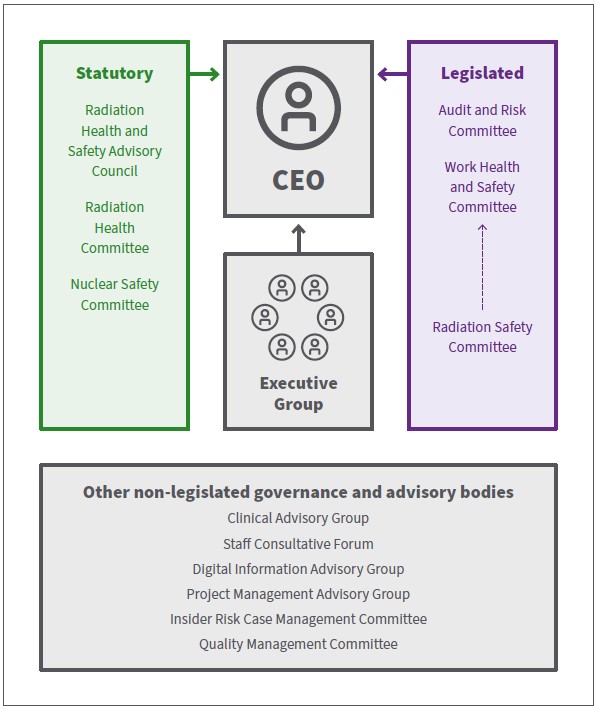
Figure 1: Committee governance structure
Legislated committees
Audit and Risk Committee
Section 45 of the PGPA Act requires Commonwealth entities to establish an audit and risk committee (ARC). ARPANSA’s ARC provides independent assurance and advice to the CEO on the agency’s financial and performance reporting, system of risk oversight and management and systems of internal control.
ARC comprises 3 to 5 members appointed by the CEO based on their qualifications, knowledge, skills, and experience. They should collectively possess broad business, financial management and/or public sector experience. At least one member is required to have accounting or related financial management experience, with an understanding of accounting and auditing standards in a public sector environment.
Work Health and Safety Committee (including the Radiation Safety Committee)
The CEO established the Workplace Health and Safety Committee (WHSC) – as required by section 75 of the Work Health and Safety Act 2011 (WHS Act) – to improve health and safety in the workplace and to resolve issues quickly and effectively. ARPANSA staff, management and unions consult through the operations of the WHSC. The Committee has a rotating chair from the Executive Group (EG) and is supported by the CEO of ARPANSA.
The Radiation Safety Committee (RSC) operates as a sub-committee of the WHSC. The RSC reviews and advises the CEO on radiation safety issues. The RSC also provides an additional mechanism through which ARPANSA staff can voice any radiation safety concern they may have.
Non-legislated advisory and governance bodies
The Clinical Advisory Group
The CEO reviews and appoints invited expert applicants from the radiation oncology professions to participate in the Clinical Advisory Group (CAG). The CAG advises the Australian Clinical Dosimetry Service (ACDS) on clinical practice, measurement techniques, and audit results. This independent group also reviews the ACDS’ activities annually and provides expert clinical advice on the patient impact of unexpected audit outcomes.
Executive Group
ARPANSA’s Executive Group (EG) is responsible for the day‐to‐day and strategic management of ARPANSA, including:
- assessment of the agency’s financial position, including long-term investment priorities, staffing and resourcing issues
- provision of top-level advice to the CEO on all key plans, projects, budget, spending, organisational development, workforce capability and capacity, and continual improvement
- review of escalated risks, prioritisation and assignment of resources to support implementation of risk treatments, and monitoring of the implementation of controls against the respective treatment plans to drive ownership and accountability for ongoing risk mitigation
- governance and oversight of agency projects
- overseeing work programs relating to internal and external audits, and accountability for the timely implementation of audit recommendations
- provision of a safe environment for workers by prioritising safety with other organisational goals, allocating resources, embedding a positive safety culture across the agency, and setting measurable objectives and targets to ensure continual improvement aimed at the elimination of risk
- contributing to the development and implementation of ARPANSA’s Corporate Plan, policies, strategies and associated plans, including setting objectives and measures to monitor and report on performance
- consideration of key issues or risks identified by ARPANSA’s advisory bodies.
Staff Consultative Forum
The purpose of the Staff Consultative Forum (SCF) is to provide a consultative environment which:
- promotes constructive workplace relations within the agency
- facilitates the timely exchange of information and promotes the understanding of employee issues
- provides a forum for consultation and open discussion between the CEO, employees and unions representing staff at ARPANSA with the aim of resolving any differences in a mutually acceptable manner.
Digital Information Advisory Group
The primary purpose of the Digital Information Advisory Group (DIAG) is to provide oversight of digital technology, data governance and cybersecurity coordination within the agency. DIAG is guided by the requirements of the Australian National Archives’ ‘Building Trust in the Public Record’ policy, and relevant information management frameworks.
Quality Management Committee
The Quality Management Committee (QMC) serves as ARPANSA’s authority on the suitability, adequacy and effectiveness of the ARPANSA Management System (AMS). It is guided by requirements within ISO/IEC 17025 and helps to ensure that the AMS meets the needs of the whole agency.
Insider Risk Case Management Committee
The Insider Risk Case Management Committee (IRCMC) provides accountable oversight of ARPANSA’s Insider Risk Program. This includes identifying emerging and existing insider risks, reviewing ongoing insider risk investigations, and providing information relating to insider risk to the Accountable Authority for decision-making. The IRCMC is also responsible for testing program governance to ensure the program is fit-for-purpose. To ensure cross-functional transparency and accountability, and that relevant subject matter expertise is considered, the committee is comprised of members from Security and Insider Risk, Legal, Human Resources, and the Chief Information Security Officer (CISO). It is chaired by the ARPANSA Insider Risk Program owner – the Chief Security Officer (CSO).
Project Management Advisory Group
ARPANSA’s Project Management Advisory Group (PMAG) is a centralised project coordination function led by the Governance and Strategic Engagement Section. The primary purpose of ARPANSA’s PMAG is to provide a proactive, centralised governance mechanism for project managers, especially in the early stages of project development. The group involves representation from business support areas (e.g., Facilities, Security, Finance, Risk, WHS) to ensure key functions have visibility to support upcoming projects, and the opportunity to provide constructive feedback.
Performance
Integrated performance cycle
Our Corporate Plan is the cornerstone of our business planning, budgeting and reporting process, and demonstrates how agency-wide initiatives support our key activities. The plan presents the interdependencies of all planning information and provides context as to how resources will be prioritised to meet our purpose.
Input
The Portfolio Budget Statements (PBS) is primarily aimed at presenting the funding allocated to the agency to achieve the outcomes set by government – programs by which we will achieve our intended results and through which we will measure the impact of that expenditure on the Australian community.
Planning
The Corporate Plan is primarily a strategic planning document. It sets out our purpose, the key activities we will undertake to achieve our purpose, how we will measure our progress, and the results we expect to achieve over the next 4 years.
Results
The Annual Performance Statements are produced at the end of the reporting cycle and provide an evaluation of how we have progressed towards achieving our purpose. These include results against planned performance, as outlined in the PBS and Corporate Plan.
Performance framework
ARPANSA’s performance structure has been established to ensure transparency, clarity and accountability in how we assess our progress towards achieving our purpose.
In 2026, ARPANSA conducted a major review of its key activities to reflect new and emerging strategic priorities impacting the agency. A key outcome included the introduction of a new measure focused on our provision of services (key activity 3):
- A leader: We initiate and promote uniformity for protection and safety.
- A health advisor: We provide expert research, evaluations and advice.
- A service provider: We deliver high-quality scientific and technical services.
- An independent regulator: We deliver effective and risk-informed regulation.
- A resilient organisation: we are a capable, sustainable and empowered agency.
To ensure our strategic undertakings contribute to achieving our purpose, we have also:
- integrated PBS measures to provide greater context and correlation between the agency’s planning documents
- identified projects that demonstrate how our operational and strategic priorities align with our purpose.
In line with agency governance processes, the measures and projects outlined in our Corporate Plan will be monitored and reported to our EG and the ARC on a quarterly basis. Our Annual Performance Statements – as part of the 2025–26 ARPANSA Annual Report – will provide a detailed perspective of performance results. Additionally, case studies will provide a qualitative overview of significant initiatives to provide a holistic view of the agency’s performance.
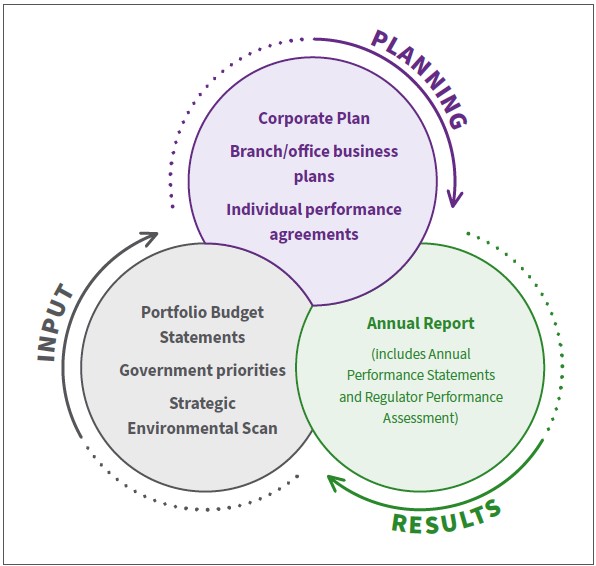
Figure 2: Integrated performance cycle
Key activity 1
A leader: We initiate and promote uniformity for protection and safety

ARPANSA applies scientific knowledge and expertise to support uniform codes, standards and strategies for radiation protection and nuclear safety. These frameworks sit across various sectors, nationally and internationally, and provide guidance that facilitates optimisation of protection against radiation exposure and any associated health impacts.
2026–27 strategic objective
A major work focus supporting this key activity is the implementation of the updated AUSRNEPLAN and the continued fulfillment of our expanded role as the Australian Government Coordinating Agency for radiological and nuclear incidents (excluding domestic terrorist incidents).
We will also demonstrate our performance through delivery of the following projects:
ANRDR Upgrade
This upgrade will ensure dose records are available to jurisdictional regulators, employers, and Australian workers exposed to radiation as part of their professions. The register will also provide access to statistical tools for analysis.
Joint Convention 9th Review Meeting
ARPANSA’s participation in the Joint Convention and Convention on Nuclear Safety ensures that Australia can influence nuclear safety and radiation protection protocols internationally and facilitate compliance with related agreements and treaties.
Enhancement of ARPANSA’s geographic information system (GIS)
A GIS is used to display and analyse spatial data, which is essential for emergency management and providing time-critical data. ARPANSA is planning to upgrade its existing GIS to enhance the agency’s emergency preparedness, support decision-making during emergencies, and facilitate data sharing through web applications.
Linked to Outcome 1, Program 1.1 – Radiation protection and nuclear safety.
PBS performance measure 1: Significant change
Provide crisis coordination for Commonwealth agencies to support jurisdictions to prepare and respond to a radiological or nuclear event.
Planned performance result
ARPANSA will ensure an appropriate emergency response for a radiological and nuclear event for the safety of Australians.
| Target 2026–27 | 2027–28 | 2028–29 | 2029–30 |
| Unchanged | Unchanged | Unchanged |
Rationale
The 2024 Review of the Australian Government Crisis Management Framework (AGCMF) identified a new, required capacity in radiological emergency preparedness and response through the AUSRNEPLAN. As part of this review, ARPANSA was nominated as the lead Australian Government Coordinating Agency and Sector Lead Agency for radiological and nuclear events. As such, ARPANSA is required to coordinate a Commonwealth response to a radiological and nuclear event through the AUSRNEPLAN, including civilian plans relevant to nuclear-powered warship visits. ARPANSA also supports state and territory preparations for increased nuclear activities, such as jurisdictional readiness for radiological incidents, and associated regulatory alignment. More broadly, ARPANSA has an ongoing role to work closely with state and territory governments to maintain national radiation safety frameworks and support regulators.
Training exercises
ARPANSA’s participation in training exercises demonstrates that the agency can effectively deliver core elements of our response to an emergency, and verifies Australia’s readiness to respond, in a timely manner, to a variety of scenarios. Through our role as Australian Government Coordinating Agency and Sector Lead Agency, ARPANSA also directly promotes Australia’s radiological and nuclear emergency preparedness.
Systems availability
The following 3 systems are critical to enabling ARPANSA to provide advice and decision support products for planning and response to an emergency:
- Environmental Radiation Monitoring System (ERMS)
Australian ports regularly receive visits from nuclear-powered naval vessels of friendly nations. The Australian Government requires contingency arrangements to be developed, and capability maintained, to undertake radiation monitoring of the port environment which the ERMS network provides. These visits are often the most visible aspect of the defence cooperation between Australia and other countries in peacetime.
- Enterprise software tools
ARPANSA uses a geographic information system (GIS) spatial analysis tool that enables the agency to analyse data and visualise the dispersion modelling or actual measurements of a hazardous release of radioactivity to the environment in real time.
- Accident Reporting and Guiding Operational System (ARGOS):
- Uses atmospheric dispersion simulations to predict the radiological impact from an emergency.
- Other support software is also maintained.
Annual water, soil and biota testing at coastal locations
ARPANSA remains the Australian Government’s well established and trusted public facing authority on radiation protection and nuclear safety. The NPS Program has significantly increased the need for new national air, land, biota and water monitoring capabilities. Sovereign environmental monitoring is international best practice and mitigates risks, such as from misinformation, providing confidence to the Australian public.
Methodology – quantitative (output)
Training
Participation will constitute active involvement in the following training exercises:
- Internationally facilitated, e.g. IAEA ConvEx Program
- Nationally facilitated, e.g. National Emergency Management Agency (of Australia)
- Internally facilitated, e.g. ARPANSA field testing
- Validations with Department of Defence.
Post exercise evaluations/after action reviews will be undertaken by the lead agency to foster continuous improvement and strengthen capability as required.
Emergency preparedness and response, information management and decision support systems
- 95% ERMS data availability: The ERMS database maintains all the data collected from the monitoring stations. The availability percentage is calculated based on any data that is missing.
- 95% GIS uptime: GIS uptime is recorded using a third-party monitoring tool against each component of the GIS deployment. Data to support this metric is extracted from the external monitoring service.
- 95% of ARGOS simulations available: ARGOS dispersion simulations are automatically undertaken for numerous locations using the ARGOS web system. The results of these simulations are made available to assist with decision-making during port visits and planned events. The success/failure of these simulations is recorded in the database and the metric extracted from this system is used to report on the availability of simulations during known events.
An annual average of the 3 systems will be reported progressively and finalised as an annual average.
Monitoring at coastal locations
- ARPANSA will conduct environmental radioactivity monitoring in port areas that may host nuclear-powered naval vessels.*
*Binary assessment against delivery commitments (met/not met). Progress reported quarterly where data is available; assessed annually.
All targets are standalone aspects of this measure and will be weighted equally. All targets will need to be fully achieved for the overall assessment of this performance measure to be fully achieved. An average of the targets will be taken to determine the outcome.
Data source
ARPANSA Management System, GIS dashboard, ERMS database, ARGOS database.
Explanation of changes since 2025–26 Corporate Plan
This measure has been significantly changed to reflect ARPANSA’s new role as the lead Australian Government Crisis Coordinating Agency under the AGCMF. As such, the agency is required to coordinate a Commonwealth response to a radiological and nuclear event through the AUSRNEPLAN, including civilian plans relevant to nuclear-powered warship visits. These expanded responsibilities have been captured as new targets in this measure.
CP performance measure 1: Unchanged
Radiation doses of occupationally exposed workers indicates optimisation of radiation protection.
| Target 2026–27 | 2027–28 | 2028–29 | 2029–30 |
| Worker radiation dose trends, published annually in the ‘ANRDR in Review’ indicate optimised radiation protection. | Unchanged | Final year | - |
Rationale
The Australian National Radiation Dose Register (ANRDR) database is designed to store and maintain radiation dose records for occupationally exposed workers. This data is used to produce industry trends and comparisons across different work practices. Employers, regulators and workers have access to review summaries for relevant industries, which facilitates improved radiation protection work practices and demonstrates just how effective radiation protection programs are. The establishment of a centralised national dose registry is international best practice for the storage and maintenance of occupational exposure records and is important for the long-term security of workers’ dose histories.
Methodology – quantitative and qualitative (effectiveness)
Employers upload data files in the ANRDR format via the secure web portal. The data files are automatically processed and synced to the database. ARPANSA does not alter or perform calculation checks on the submitted dose data, which includes a breakdown of doses from external sources of radiation or from radionuclides.
Radiation doses for a range of exposure types will be assessed on a quarterly basis and to generate annual statistics related to exposure trends. The results of this analysis are presented in the ANRDR report, including:
- a summary analysis of the calendar year’s data
- commentary on trend of doses over a 10-year rolling period
- industry trends and comparisons across different work practices.
Data source
Australian National Radiation Dose Register database.
CP performance measure 2: Unchanged
Influence international radiation protection, nuclear safety and security to facilitate compliance with related agreements and treaties.
| Target 2026–27 | 2027–28 | 2028–29 | 2029–30 |
ARPANSA submits Australia’s national report as required by the Convention deadline. ARPANSA reviews 100% of national reports allocated within the country group that Australia is assigned to, for the review meetings of the Joint Convention and Convention on Nuclear Safety. ARPANSA will respond to 100% of the questions asked of Australia before the Convention deadline. Annual Count: ARPANSA will review IAEA safety standards put out for member state comment and facilitate public consultation/input for Australia, as appropriate, within the stipulated timeframes. | Unchanged | Unchanged | Unchanged |
Rationale
Australia is a respected international partner in the nuclear safety and security sector and has built this reputation by sharing knowledge and fostering international best practice. Participation in these conventions affirms ARPANSA’s position, as well as ensuring that Australia can influence nuclear protection and radiation safety protocols internationally.
The Joint Convention represents a commitment by participating countries to achieve and maintain a consistently high level of safety in the management of spent fuel and radioactive waste as part of the global safety regime for ensuring the protection of people and the environment.
The Convention on Nuclear Safety commits participating States operating land-based nuclear installations to maintain a high level of safety by setting international benchmarks to which States would subscribe. The Convention obliges Australia to submit reports on the implementation of their obligations for ‘peer review’ at meetings of the contracting parties held at the IAEA.
Among the IAEA’s key publications are its safety standards, which provide the fundamental principles, requirements, and recommendations to ensure nuclear safety. They serve as a global reference for protecting people and the environment and contribute to a harmonised high level of safety worldwide.
Methodology – quantitative (output)
National reports: ARPANSA will author and submit the Australian national reports prior to the Convention deadlines (7 months prior to the scheduled review meeting). ARPANSA will review 100% of national reports, allocated within the Country Group. ARPANSA will provide responses to 100% of the questions asked of Australia’s national report prior to the Convention deadlines (one month prior to the review meetings). These will be published to the ARPANSA website.
Review meetings occur once every 3 years: Joint Convention 2028 (report due 2027), Convention on Nuclear Safety 2029 (report due 2028).
Safety standards: As IAEA safety standards are issued for member state comment, ARPANSA will coordinate consultation on behalf of Australia via the Commonwealth Citizen Space website, as well as through targeted consultation dependant on the area of focus. ARPANSA will complete the required documentation and provide it back to the IAEA within the stipulated timeframes.
The targets are standalone aspects of this measure and weighted equally. The target will need to be fully achieved for the overall assessment of this performance measure to be achieved.
To provide context for this measure, meetings and reports associated with the following non-binding instruments, will be recorded:
Codes of conduct:
- The Safety and Security of Radioactive Sources
- The Safety of Research Reactors.
Data source
- ARPANSA website Joint Convention and Convention on Nuclear Safety page.
- ‘Member state comments’ (stored in the AMS)
- ARPANSA Consultation Hub.
Key activity 2
A health advisor: We provide expert research, evaluations and advice

We provide accessible, evidence-based, and risk-informed research, evaluations and advice to the Australian Government, industry, and the public. This supports continuous improvement regarding the use of radiation and nuclear technologies.
2026–27 strategic objective
ARPANSA will prioritise transparent and evidence‑based communications and meaningful engagement to support public confidence in the regulation of radiation and nuclear activities.
Linked to Outcome 1, Program 1.1 – Radiation protection and nuclear safety.
PBS performance measure 2: Minor change
Provide high-quality advice to government and the community on health, safety and environmental risks from radiation.
Planned performance result 1
Identify, assess and communicate the health, safety, and environmental risks from radiation to the Australian Government and community through research, communication, provision of radiation protection services, and community consultation and awareness activities.
| Target 2026–27 | 2027–28 | 2028–29 | 2029–30 |
| Unchanged | Unchanged | Unchanged |
Rationale
ARPANSA collaborates with a range of Australian and international partners to contribute to the evolution of the international radiation protection and nuclear security and safety framework. This enables ARPANSA to provide expert and technical advice to the Australian Government and community. Fact sheets, news articles and FAQs are evidence-based communications that proactively identify risks and provide advice. These articles often assist with the formulation of policies, codes and standards to support uniform national radiation protection and nuclear safety across all Commonwealth and state and territory jurisdictions.
Methodology – quantitative (output)
- ARPANSA maintains more than 40 articles that are specifically defined as fact sheets or FAQs, hosted on the ARPANSA website. Fact sheets and FAQs will be reviewed and, if necessary, revised progressively.
- A minimum of 20 website news articles per year will be published on subjects related to radiation protection and nuclear safety.
Data source
ARPANSA website.
Explanation of changes since 2025–26 Corporate Plan
The target for this performance measure has been expanded to capture public awareness of radiation protection and nuclear safety, with the addition of a KPI on website news article publications.
Planned performance result 2: Unchanged
Provide information, advice and standards on electromagnetic energy (EME) and health to the Australian Government and community through exposure assessment, research, facility upgrades and engagement with international health authorities.
| Target 2026–27 | 2027–28 | 2028–29 | 2029–30 |
Annual count of engagement activities with domestic and international stakeholders furthers EME knowledge exchange and advancement: Domestic
International
Annual count of engagement activities with the community promotes health and safety and addresses misinformation about EME: Community
Research
| Unchanged | Unchanged | Unchanged |
Rationale
- ARPANSA’s engagement with a range of international and national stakeholders enables the agency to set and maintain EME standards and provide expert scientific advice on EME and health.
- Engagement with the community promotes health and safety and helps to address misinformation.
- Targeted research addresses gaps in knowledge and ensures that public health policies are based on the most up-to-date information, and technologies continue to develop.
Methodology – quantitative (output)
- Engagement with domestic stakeholders will be recorded and specifically reflected in quarterly reporting. This will include both proactive and invited events that ARPANSA staff are involved in. International engagement with the International Commission on Non-Ionizing Radiation Protection and the World Health Organization will be reported on quarterly. A summary will be provided of each engagement.
- Engagement with the community will be measured through the number of engagement activities undertaken in the community. ARPANSA will reflect the number of media enquiries and social media posts, public events and the number of Talk to a Scientist enquiries received. These are all captured within the AMS.
- The development of technical reports, guidelines and standards are multi-year undertakings. Progress will be reported at key milestones in accordance with forecast timeframes to ensure completion.
- To ensure there is no duplication in reporting, peer-reviewed EME publications will be reflected and captured as part of performance measure 3.
Data source
AMS.
CP performance measure 3: Unchanged
High-quality research in radiation protection, nuclear safety and medical exposures, contributing to the understanding of radiation and its effects, among professionals and the public.
| Target 2026–27 | 2027–28 | 2028–29 | 2029–30 |
| ARPANSA to publish >7 peer reviewed publications. | Unchanged | Unchanged | Unchanged |
Rationale
Publication in respected journals is a cornerstone to our reputation as radiation protection and nuclear safety experts. Our innovation is communicated to professionals via multiple channels, including peer-reviewed journal publications. Peer review is an independent form of governance that verifies ARPANSA’s work is of a high standard.
Methodology – quantitative (output)
The scientific community uses a system of peer review to assess research for publication in reputable scientific journals. Peer review subjects scientific research papers to independent scrutiny by other qualified scientific experts (peers) before they are made published. Topics of publications will be determined by environmental scanning of emerging issues that are of public interest.
Data source
ARPANSA journal publication register.
CP performance measure 4: Unchanged
Operation of the ultraviolet (UV) radiation monitoring network with a high level of data availability to the public.
| Target 2026–27 | 2027–28 | 2028–29 | 2029–30 |
| UV information is available to the public >95% of the time. | Unchanged | Unchanged | Unchanged |
Rationale
UV exposure is the leading cause of skin cancer in Australia, and Australia has one of the highest UV exposure levels in the world. The UV network provides data to the public to allow individuals to make risk-informed choices and take preventive actions to minimise UV exposure.
Methodology – quantitative (output)
Analysis of data extracted from UV network monitoring system will be averaged over the reporting period to verify availability.
Data source
UV network monitoring system.
CP performance measure 5: Unchanged
Engagement with the Australian public through the ARPANSA Talk to a Scientist (TTAS) service.
| Target 2026–27 | 2027–28 | 2028–29 | 2029–30 |
| 80% of TTAS enquiries from the public are responded to within 5 business days. | Unchanged | Unchanged | Unchanged |
Rationale
The TTAS program exists to allow members of the public to connect with ARPANSA scientists and ask questions or raise concerns about radiation and nuclear issues. Timeliness with enquiry responses ensures that we continue to protect the Australian public by accurately addressing questions and concerns. This addresses misinformation and helps to maintain ARPANSA’s reputation as a reliable and trusted national authority on radiation and health.
Methodology – quantitative (output)
All enquiries received by the TTAS service will be reviewed and a response provided.
Assessment of reports extracted from TTAS records management system will verify the percentage of queries that were responded to within 5 days.
Data source
TTAS record management system.
Key activity 3
A service provider: We deliver high-quality scientific and technical services

2026–27 strategic objective
A major strategic priority for this financial year will be the purchase, installation and commissioning of a replacement Cobalt-60 source. This initiative – funded through the 2025–26 Budget – is critical to Australia’s sovereign capability to provide confidence in doses delivered, radiation protection for patients undergoing radiotherapy, as well as workers who have dealings with radiation in a range of professions.
We will demonstrate our performance through delivery of the following projects:
Cobalt-60 Replacement
ARPANSA’s calibration capability underpins a range of services for radiotherapy centres in Australia and New Zealand. This project endeavours to maintain the teletherapy laboratory calibration capability by replacing the Cobalt-60 teletherapy source.
Perth RN10 Station Relocation project
ARPANSA is relocating the Comprehensive Nuclear‑Test-Ban Treaty (CTBT) station in Perth, Western Australia. As part of this, the agency is forming a new partnership with Edith Cowan University to assist with local operations.
Cocos AUP08 and Kiribati KIP39 Station Installation
ARPANSA will install new CTBT stations located in the Cocos (Keeling) Islands and Kiribati (located in the Republic of Kiribati).
National Diagnostic Reference Level Database (NDRLD) Replacement Discovery Project
This project is the first step in updating ARPANSA’s NDRLD, so that it continues to meet the needs of users.
A Primary Standard water calorimeter for protons, photons and electrons in the megavoltage range
ARPANSA is responsible for maintaining the Australian Primary Standards for ionising radiation. Replacing the existing Primary Standard with a modern multi-modality instrument will ensure ARPANSA continues to maintain its services for the benefit of all Australians.
Personal Radiation Monitoring Service (PRMS) Application Programming Interface (API)
The development of an API to enable ARPANSA’s PRMS customer portal to automatically transfer dose reports to radiation safety management applications. Customers will have a more streamlined experience.
PRMS Laboratory Information Management System (LIMS)
This project will support the development of a LIMS that allows effective end-to-end management of data for the PRMS laboratory.
Linked to Outcome 1, Program 1.1 – Radiation protection and nuclear safety.
PBS performance measure 3: Significant change
Promote, measure and report patient radiation safety in radiotherapy and diagnostic radiology.
Planned performance result 1
Report annually on significant deviations and trends discovered through the Australian Clinical Dosimetry Service (ACDS).
| Target 2026–27 | 2027–28 | 2028–29 | 2029–30 |
| Unchanged | Unchanged | Unchanged |
Rationale
The national radiation oncology dosimetry audit program of radiotherapy treatment facilities throughout Australia and New Zealand was designed to verify accurate and safe treatment delivery for over 90,000 cancer patients, noting that subscription at this point covers more than 50% of the national linac fleet.
The ACDS audit program has identified specific issues in radiotherapy systems which, unidentified, would have significantly impacted patient treatment. The data sets document the capability of the subscribers across Australia and New Zealand to provide accurate radiotherapy treatments.
The Primary Standards Dosimetry Laboratory calibrates the hospital measurement devices which are used to ensure that the output of radiation treatment machines is accurate. This service is crucial for accurate cancer radiation therapy.
Methodology – quantitative (output)
- The ACDS evaluates the difference in dose between that predicted by the radiotherapy facility and that measured by the ACDS. Case studies and trends observed from suboptimal audit outcomes are published in the annual report.
- Audits are undertaken according to schedule, and audit outcomes are recorded in the ACDS database. Audit reports that have been finalised will contribute to this target and be reported quarterly.
- Reference chambers for more than 17 clinical facilities will be calibrated against the primary standard.
Data source
ACDS audit dataset, AMS.
Explanation of changes since 2025–26 Corporate Plan
This Planned Performance Result has been expanded to include 2 new targets to reflect the broad scope of work in the ACDS. The audit schedule target has been taken from CP 4 (now closed). The calibration target is a new KPI.
Planned performance result 2
Publication of summary data collected through the Diagnostic Reference Level (DRL) program will be made available on the ARPANSA website.
| Target 2026–27 | 2027–28 | 2028–29 | 2029–30 |
| Unchanged | Unchanged | Unchanged |
Rationale
The DRLs provide a point of comparison so a given imaging facility can compare their practice with that of their peers. The aim of DRL comparisons is to encourage imaging facilities to review their practice to ensure an appropriate balance of benefit and risk for patients. This helps to avoid excessive radiation dose to patients from medical imaging. The DRL surveys demonstrate to imaging facilities how radiation doses for common scans at their sites compare to national benchmarks determined from national data.
The aim of DRL comparisons is to encourage imaging facilities to review their practice to ensure an appropriate balance of benefit and risk for patients. Facilities using a higher dose than the benchmark are required to review their procedures and consider optimisation to achieve improved patient protection. The collection and analysis of DRL surveys, as well as the publication of summary data on the ARPANSA website, directly promotes the safe and effective use of ionising radiation in medicine.
Methodology – quantitative (output)
ARPANSA collects data on metrics for patient dose from ionising radiation in diagnostic imaging, particularly for CT. ARPANSA analyses National Diagnostic Reference Level Service survey data to calculate Australian DRLs.
Data source
DRL data.
Explanation of changes since 2025–26 Corporate Plan
To broaden the scope of the measurement, and for improved reporting efficiency, this Planned Performance Result target has been expanded to include the target from CP 1 (now closed).
CP performance measure 6: Unchanged
Operation of the Comprehensive Nuclear-Test-Ban Treaty Organization (CTBTO) International Monitoring System (IMS) radionuclide stations to meet CTBTO targets for data availability.
| Target 2026–27 | 2027–28 | 2028–29 | 2029–30 |
| Stations operational and reporting verified data to the CTBTO at >95% average per reporting period. | Unchanged | Unchanged | Unchanged |
Rationale
ARPANSA operates the Australian radionuclide monitoring stations as part of the IMS for the CTBTO. This is an Australian obligation under the Comprehensive Nuclear-Test-Ban Treaty.
In addition to their primary purpose in detecting nuclear explosions, the network:
- Provides information that supports tracking of airborne radiation.
- Provides ARPANSA with information on radionuclide detections at IMS stations, which, in the event of an emergency, allows ARPANSA to provide advice to DFAT and citizens overseas. This information is only available to Member States.
Methodology – quantitative (output)
The IMS stations are certified to ensure that all equipment, infrastructure and settings meet the technical specifications set by the CTBTO and that data is transmitted to the International Data Centre in Vienna in a timely manner. Data collected from IMS stations maintained by ARPANSA and located in Australia and its territories (Fiji and Kiribati) will be analysed and the yearly average determined. Stations in Australian territories may tolerate a down time of <7 consecutive days or <15 days annually.
Data source
Data collected from IMS stations’ systems.
CP performance measure 7: Unchanged
High-quality and efficient radiation protection services are provided to customers.
| Target 2026–27 | 2027–28 | 2028–29 | 2029–30 |
| >85% satisfied with the quality of our service. | Unchanged | Unchanged | Unchanged |
Rationale
Maintaining high levels of customer satisfaction with the quality of our services is important to delivering this key activity. Surveying our customers provides information as to how the agency can foster continuous improvement and continue to operate sustainably.
Methodology – quantitative (effectiveness)
The annual or post-service customer satisfaction survey will encompass the following services: Radiofrequency Calibration Services, Personal Radiation Monitoring Service, Primary Standards Dosimetry Laboratory calibrations, Ultraviolet Radiation Services, Radioanalytical Services, and the ACDS (Radiation Therapist and Medical Physicist Audit Feedback). The assessment of the survey(s) will provide quantitative and qualitative data for the respective sections to identify opportunities for improvement.
Data source
- ARPANSA annual customer satisfaction survey.
- Post service satisfaction surveys.
CP performance measure 8: Unchanged
Maintain the teletherapy laboratory calibration capability by replacing the Cobalt-60 teletherapy source.
| Target 2026–27 | 2027–28 | 2028–29 | 2029–30 |
| Unchanged | Final year | - |
Rationale
ARPANSA’s calibration capability underpins a range of agency services, all of which form part of Australia’s sovereign capability to provide dose surety and radiation protection for patients undergoing therapy as well as for staff who work with radiation in a range of fields. Specifically, this includes calibrations for every radiotherapy centre in Australia and New Zealand, traceable calibration for Personal Radiation Monitoring Service readers (as required for their NATA accreditation using a Co-60 source), and calibration services outside ARPANSA, where verification to the Australian Primary Standard is required.
Methodology – quantitative (output)
Reporting on this measure will be supported by monthly project reporting to the Executive Group.
Data source
AMS.
Key activity 4
An independent regulator: We deliver effective and risk-informed regulation

Using a graded, risk-informed approach, we provide regulatory oversight of radiation sources, radiation facilities and nuclear installations through a range of regulatory activities. These include licensing, compliance monitoring, inspection and enforcement. We promote best practice in regulation by improving regulator performance, capability and culture – as outlined in the Commonwealth Regulatory Performance Guide (RMG 128).
Statements of expectations and intent
While ARPANSA is operationally independent of government, this does not mean we are independent of expectations or guidance about how we fulfil our statutory roles. Commonwealth regulators – like ARPANSA – are accountable to the Parliament. Along with mechanisms such as Senate Estimates, the Commonwealth provides regulator guidance and scrutiny through Ministerial Statements of Expectations. These Statements provide greater clarity about government policies and objectives relevant to the regulator’s statutory objectives and how it conducts its operations. The regulator responds to a Ministerial Statement of Expectations with a Regulator Statement of Intent that, in turn, identifies how it will deliver on the Government’s expectations.
ARPANSA’s Statement of Expectations and Statement of Intent are available on our website.
2026–27 strategic objectives
- With ANNPSR now operational, ARPANSA’s role has shifted to a new phase – one where our experts provide sovereign unique capabilities to support ANNPSR’s regulatory role. This includes providing scaled, fit-for-purpose environmental monitoring to meet Australia’s larger nuclear operating footprint from the NPS program.
- Building upon the foundation established by the new Regulatory Administration Database (RAD), the agency will continue to uplift inspection processes using a risk-informed graded approach.
- The agency will continue to work with broader Australian Government and state and territory radiation safety regulators to ensure a robust approach to radioactive waste management, including updates to the Radiation Protection Series to ensure consistency of regulation.
We will also demonstrate our performance through delivery of the following projects:
Radiochemistry and Environmental Sciences (RES) Laboratory Uplift (Phase One)
The project will better support the TSS section to safely operate and scale its environmental and emergency radioanalytical measurements in response to Australia’s nuclear-powered submarine enterprise. Key deliverables are the refurbishment and reconfiguration of 5 radiochemistry laboratory spaces at the Yallambie site.
Inspector Training Redevelopment
The project aims to redevelop the current training program by reducing the training time; making the training experience better for trainees and assessors; and updating content and assessment processes.
Linked to Outcome 1, Program 1.1 – Radiation protection and nuclear safety.
PBS performance measure 4: Unchanged
Ensure protection of people and the environment through efficient and effective regulation.
Planned performance result
Demonstrate national leadership in engagement with jurisdictions on national uniformity issues and exploring opportunities for progressing greater consistency of radiation safety regulation in Australia.
| Target 2026–27 | 2027–28 | 2028–29 | 2029–30 |
| Implement the Radiation Health Committee 2026 Work Plan and develop a Radiation Health Committee 2027 Work Plan. | Unchanged | Unchanged | Unchanged |
Rationale
One of the functions of the CEO of ARPANSA is to promote uniformity of radiation protection and nuclear safety policy and practices across all jurisdictions, which helps to protect people and the environment through efficient and effective regulation. Differences in radiation legislation and regulatory policy among the Commonwealth and states/territories can sometimes prove problematic for users of radiation sources operating in more than one jurisdiction. ARPANSA endeavours to further the objectives of nationally uniform radiation protection outcomes, and to minimise unnecessary regulatory burden on operators, by supporting the consistent application of frameworks such as National Radiation Protection Series across all jurisdictions.
Methodology – qualitative (output)
Reporting on this measure will be supported by evidence of discussion of draft proposed options at Executive Group (EG) meetings and Radiation Health Committee (RHC) meetings, and documented decisions by the EG and/or RHC to endorse any proposed plan which supports strategic Government priorities.
Data source
Radiation Health Committee 2026 Work Plan.
Linked to Outcome 1, Program 1.2 – Nuclear-Powered Submarines
PBS performance measure 5: Significant change
Support the Nuclear-Powered Submarine (NPS) program with sovereign capabilities and functions unique to ARPANSA.
Planned performance result
ARPANSA will support high-quality and timely regulation of the NPS program as required for the optimal pathway by:
- offsetting vulnerabilities in the Australian Naval Nuclear Power Safety Regulator’s (ANNPSR) nuclear baseline competencies and capability
- the efficient and economical delivery of independent technical, scientific and regulatory support to ANNPSR.
| Target 2026–27 | 2027–28 | 2028–29 | 2029–30 |
| The 2026-27 initial reporting period will focus on establishing a baseline dataset, which will be used to determine appropriate future performance targets and support the ongoing assessment of outcomes. | Target to be determined based on baseline data collected in 2026–27. | ||
Rationale
The introduction of nuclear-powered submarines into Australia greatly expands the country’s required capacity for technical and scientific expertise in nuclear safety and radiation protection. As the Commonwealth’s nuclear safety regulator and primary authority on radiation protection and nuclear safety, ARPANSA is responsible for the ongoing delivery of sovereign technical and scientific expertise and specialised facilities through direct support of ANNPSR.
Methodology – quantitative (effectiveness)
A survey will be developed and circulated to ANNPSR prior to the ANNPSR-ARPANSA Regulatory Forum. Key findings will be discussed to foster open discussion and ensure early intervention can be taken to address any concerns.
To augment survey results, and as part of the service level agreement between ARPANSA and ANNPSR, key performance indicators have been established and will be monitored quarterly as part of a self and customer assessment of schedule, quality and utility of ARPANSA’s services.
The annual average of each quarter’s survey results indicate:
- achieved: >75% positive survey results
- partially achieved: >50% <75% positive survey results
- not achieved: <50% positive survey results.
Data source
ANNPSR survey results and analysis.
Explanation of changes since 2025–26 Corporate Plan
This is a new performance measure, developed to demonstrate the agency’s evolving support for the NPS program, which has been funded by a new NPP for 2026–27. ARPANSA’s support in this space has transitioned from a focus on regulation to a provision of sovereign technical and scientific expertise.
CP performance measure 9: Unchanged
ARPANSA provides assurance to the public that environmental discharges and radiation dose rates near major nuclear installations meet regulatory requirements.
| Target 2026–27 | 2027–28 | 2028–29 | 2029–30 |
| ARPANSA publishes annual reports summarising the results of independent monitoring and verification activities to confirm environmental discharges and radiation dose rates near major nuclear installations (offsite) meet regulatory requirements. | Unchanged | Unchanged | Unchanged |
Rationale
This measure supports ARPANSA’s purpose of protecting people and the environment from the harmful effects of radiation by:
- verifying that environmental discharges from nuclear facilities are at levels that do not harm people or the environment
- allowing for independent environmental assessment to ensure that regulatory requirements appropriately protect people and the environment at each major facility
- providing public confidence that the offsite environment is safe.
In addition, provision of independent, publicly available monitoring data is an important component of developing the social licence for major nuclear facilities.
Methodology – quantitative and qualitative (effectiveness)
An annual monitoring and verification report will outline the results of independent measurement and monitoring activities near major nuclear installations. These reports may include (as needed) the following data:
- Analysis of Environmental Radiation Monitoring System (ERMS) gamma dose rate data.
- Environmental and stack radiation levels verified in ARPANSA’s radiochemistry laboratory.
- Comparison of independent analysis to those provided by the licence holder.
- Results of independent sampling programs.
- Environmental risk assessment (as required).
Data source
- Environmental Radiation Monitoring System (ERMS) - gamma dose rate data.
- Airborne discharge reports assessed by ARPANSA Regulatory Services Branch at the time of submission (quarterly, annually).
- ARPANSA’s Radiation Health Services independent annual verification report ARPANSA’s independent monitoring and verification program – ANSTO Lucas Heights.
- Results of monitoring and measurement activities undertaken by ARPANSA in the vicinity of major nuclear installations.
CP performance measure 10: Unchanged
Implement and enhance regulatory activities in accordance with the Australian Government Regulator Performance Resource Management Guide.
| Target 2026–27 | 2027–28 | 2028–29 | 2029–30 |
| An annual review of regulatory performance (meeting >70% of measures) is undertaken, consistent with the Australian Government Regulator Performance Resource Management Guide (RMG 128). | Unchanged | Unchanged | Unchanged |
Rationale
The Australian Government outlines 3 principles of regulator best practice in RMG 128:
- continuous improvement and building trust
- risk-based and data driven
- collaboration and engagement.
ARPANSA accepts and strives to meet these principles. It has related measures of performance (a mix of quantitative and qualitative) and has a target to meet at least 70% of its measures. An annual review of performance is undertaken and reported in the Annual Report. The target of each individual measure is set to drive performance in its respective area. Individual measures feeding into the annual review are:
1. Continuous improvement and building trust
- At least 10 national regulatory engagement meetings are conducted per year.
- Collaborative relationships are developed and maintained with international regulators and organisations, through various communication channels.
- Annual Regulatory Services Branch training day is conducted on key regulatory topics and to highlight any updates to the regulatory framework.
- An annual review of the regulations is conducted to ensure costs are updated.
2. Risk-based and data driven
- Data systems are used to monitor licence holder performance and inform compliance monitoring bi-annually.
- 80% of high priority inspections are undertaken to required frequencies.
- 75% of Inspection and Site Visit Reports are finalised within 30 business days of the end of an inspection.
- Significant information is maintained and published, including the basis for key regulatory decisions and compliance outcomes.
3. Collaboration and engagement
- Periodic liaison forums with major licence holders or potential licence holders are conducted.
- Regulatory guidance for licence holders is prepared, reviewed and updated.
- An annual licence holder forum and workshop on key and relevant issues is conducted.
- Public consultation is conducted on major licence applications.
- Licence charge changes resulting from the cost recovery model, including any implications and justification, are communicated to the major licence holders.
Methodology – quantitative (effectiveness) - An annual review, using claims, arguments and evidence will be conducted to establish if essential controls are applied with minimal burden to form a risk-informed, open, transparent and trusted service.
- High priority inspections are sites holding regulatory priority 1 & 2 sources and/or facility licences of medium or higher regulatory priority.
Data source
Regulatory Services Branch internal data systems, including the RAD and AMS.
Key activity 5
A resilient organisation: we are a capable, sustainable and empowered agency

We will work to enhance innovation and capability across the agency to ensure systems, assets and staff effectively support and efficiently deliver on our purpose.
2026–27 strategic objective
ARPANSA is well advanced in refreshing its Workforce Strategy (2026-2028). Due to roll out this financial year, the strategy focuses on supporting ARPANSA to fulfil its functions and achieve its objectives through its people.
We will also demonstrate our performance through delivery of the following projects:
Intranet Migration Project
This project aims to improve the functionality and access to ARPANSA’s business systems, and maintain a secure, reliable, and compliant intranet.
ARPANSA Website Rebuild (Phase 2)
This project will deliver a new website for ARPANSA that is fit-for-purpose, integrates with our existing framework and provides an excellent service to the Australian public.
Development, Security, Operations (DevSecOps)
This agency-wide program will establish a foundational and comprehensive DevSecOps framework across the IT development lifecycle. Initiatives aim to embed robust cybersecurity and operational resilience as core pillars of the organisation’s innovation and capability.
Software system upgrades
The agency is upgrading key software platforms for our library and content management systems to enable enhanced security, accessibility and usability.
Primary Standards Dosimetry Laboratory (Measurements) Laboratory Refurbishment
The Measurements Laboratory Refurbishment will improve safety, upgrade equipment and IT capabilities and review all services for a more functional, modern work environment.
CP performance measure 11: New
ARPANSA’s workforce is enabled by effective leadership at all organisational levels.
| Target 2026–27 | 2027–28 | 2028–29 | 2029–30 |
| Unchanged | Unchanged | Unchanged |
Rationale
This measure supports ARPANSA’s purpose by ensuring the agency continues to uplift and align its leadership capability with the APS Leadership Capability Framework – from SES to supervisory level. In turn, strong and skilful leadership will cultivate organisational resilience and capability. This priority will also be supported through priorities set out in the 2026-2028 Workforce Strategy Program Plan.
Methodology – quantitative (efficiency)
Average of the final index score for ‘SES leadership’ and the index score of the ‘Immediate Supervisor’ question (EL1 and above) from the annual APS Census.
Data source
APS Employee Census results.
Explanation of changes since 2025–26 Corporate Plan
This new performance measure replaces the terminating Workforce Strategy performance measure. Fostering and sustaining strong leadership across all management levels is a key priority for the agency moving forward.
CP performance measure 12: Unchanged
Employees feel willing and are able to innovate at ARPANSA.
| Target 2026–27 | 2027–28 | 2028–29 | 2029–30 |
| Unchanged | Unchanged | Unchanged |
Rationale
Innovation is a particular focus for the agency, as it can drive improved performance, productivity and work outcomes. Employees at all levels will be supported to use their knowledge, competencies, and creativity to operate in the most effective way possible and deliver improved results for the Australian community and the Government.
Methodology – quantitative (input)
The agency will use the APS employee census (innovation) results, which address innovation through a set of dedicated questions, to obtain an index score. This innovation index score assesses both whether employees feel willing and able to be innovative, and whether their agency has a culture that enables innovation. The ARPANSA Enabling Innovation Index will be compared to that of other small sized APS agencies. Census results will be collected annually, commencing early May to June. APS results are typically available to the agency at the end of July.
Case study selection
ARPANSA‘s Executive Group (EG) oversees an innovation award process that recognises and celebrates significant contributions to the work of ARPANSA by individuals and teams. Submissions are judged by the EG against the selection criteria and validated by the CEO. The winner forms the basis of the Innovation at ARPANSA case study.
Data source
- APS employee census results.
- ARPANSA innovation award nominations.
Appendix 1 – Changes to our performance information
ARPANSA’s annual review of our performance information was driven by an intent to strengthen the quality of our data and to continue maturing our performance framework. This review of our performance measures and initiatives focused on ensuring our information transparently communicates and complies with PGPA Rule requirements to foster greater accountability and trust.
As well as an annual performance measure review, in 2026, ARPANSA conducted a major review of its key activities to reflect new and emerging strategic priorities impacting the agency. A key outcome included the introduction of a new key activity focused on our provision of services (key activity 3). Supporting these key activities are 17 performance measures (12 originating from this Corporate Plan, and 5 from the PBS)2.
Overall, our review verified that our reporting information demonstrates:
- how the agency is using public resources to make a difference and deliver our purpose
- where the agency is equipped to pursue stretch opportunities (where practicable, given current environmental constraints)
- maturity, as we work towards demonstrating best practice
- ARPANSA is measuring the outputs of its activities.
To support the PGPA ‘clear read’ principal between our key planning and performance documents, the agency has presented our PBS performance information in the same format as our Corporate Plan measures and aligned them with our key activities to demonstrate how they are linked to our purpose.
The below table provides a summary of changes. In the following sections, segmented by key activity, specific explanations of changes have been provided where performance measures are indicated to have been:
- unchanged
- marginally changed to improve the clarity of performance information. These small changes support consistency and foster continuous improvement while still enabling the agency to demonstrate performance over time
- significantly changed, to reflect the evolution of related work activities or a maturing of our performance information. These include:
- CP1 (closure – rolled into PBS 3): Number of Diagnostic Reference Level (DRL) surveys per category are sufficient to infer national characteristics per annual survey period
- CP4 (closure – rolled into PBS 3): Provide dosimetry support and measurement services to radiotherapy clinics
- PBS 2 (new): Provide crisis coordination for Commonwealth agencies to support jurisdictions to prepare and respond to a radiological or nuclear event
- PBS 3 (additional targets): Promote, measure and report patient radiation safety in radiotherapy and diagnostic radiology
- PBS 5 (new): Support the Nuclear Powered Submarine (NPS) Program with sovereign capabilities and functions unique to ARPANSA
- CP 11 (new): ARPANSA’s workforce is enabled by effective leadership at all organisational levels (proposed replacement for terminating CP14 Workforce Strategy measure)
- CP 16 (closure): The agency demonstrates robust management of psychosocial risk.
2 The revised key activities were formally finalised in May, and, as such, were not published in ARPANSA’s chapter of the Department of Health, Disability and Ageing 2026-27 Portfolio Budget Statements
| Outcome of 2026–27 Review | Key activity 1 A leader: We initiate and promote uniformity for protection and safety | Key activity 2 A health advisor: We provide expert research, evaluations and advice | Key activity 3 A service provider: We deliver high‑quality scientific and technical services | Key activity 4 An independent regulator: We deliver effective and risk-informed regulation | Key activity 5 A resilient organisation: We are a capable, sustainable and empowered agency | Total |
| Performance measures unchanged | 2 | 5 | 3 | 3 | 1 | 14 |
| Performance measures marginally changed | - | 1 | - | - | - | 1 |
| Performance measures significantly changed | 3 | - | 1 | 1 | 2 | 7 |
| Total number of performance measures for 2026–27* | 3 | 4 | 4 | 4 | 2 | 17 |
Appendix 2 – Reporting requirements
This Corporate Plan has been prepared in accordance with the requirements of:
- subsection 35(1) of the PGPA Act
- subsection 16E (2) of the PGPA Rule 2014.
The following details the requirements met by the ARPANSA Corporate Plan:
Requirements
- Introduction
- Purposes
- Key activities
- Operating context
- Environment
- Capability
- Risk oversight and management, including key risks and its management
- Cooperation
- Subsidiaries (where applicable) - N/A
- Performance
Appendix 3 – Notes on performance assessment
1. Assessment of key activities
The achievement of the key activity will be determined by the number of performance measures achieved. All performance measures are weighted equally:
- equal to or greater than 75% of performance measures achieved equates to the key activity being achieved
- equal to or greater than 50% of performance measures achieved equates to the key activity being partially achieved
- less than 50% of intended result achieved equates to the key activity not being achieved.
2. Assessment of performance measures with multiple planned performance results (PBS measures specific)
Where a PBS performance measure has distinct planned performance results, targets have been defined to demonstrate the achievement of each planned performance result. This has resulted in multiple targets that will be assessed collectively to determine if the PBS performance measure, as a whole, has been achieved. These targets are therefore weighted equally and will be assessed in accordance with Note 3 ‘Assessment of performance measures with multiple targets’.
3. Assessment of performance measures with multiple targets
Where a performance measure has multiple targets, achievement of the measure will be determined by reference to the number of targets achieved. All performance targets are weighted equally:
- equal to or greater than 75% of performance targets achieved equates to the measure being achieved
- equal to or greater than 50% of performance targets achieved equates to the measure being partially achieved or work will remain ongoing until completion (3 to 9 months)
- less than 50% of targets achieved equates to the measure not being achieved or greater than 9 months’ work remaining outstanding.
4. Annual count
As provided by Rule 16E (2) item 5 of the Public Governance, Performance and Accountability Rule 2014, where it is not reasonably practicable to include specific targets for a measure, an annual count will be used in lieu of a predetermined metric. In the context of this plan, these are additional targets as a result of the work being reactive in nature or instigated by an external body. In all instances used, this number (the annual count), provides important information and context to assess the operational requirements and capacity of the agency during the reporting period.