Potassium iodide (KI) tablets can be taken in an emergency to help protect the thyroid gland from radioactive iodine. Only take KI tablets when directed by public health officials, emergency responders, or a medical professional.
Summary
- Potassium iodide may be used during radiological or nuclear emergencies to help protect the thyroid from absorbing radioactive iodine
- Potassium iodide tablets should only be taken when advised by public authorities
- Medical advice is recommended for those with thyroid-related conditions
- Potassium iodide only protects the thyroid from exposure to radioactive iodine and does not protect other parts of your body or prevent absorption of other forms of radiation
- Radioactive iodide is not released in every radiation emergency so following the specific advice from health authorities is critical
- Depending on the situation, KI tablets may not be the most suitable protection method and other urgent protections such as sheltering may be most appropriate.
What is potassium iodide?
Potassium iodide (KI) is a stable, non-radioactive form of iodine.
How does potassium iodide work?
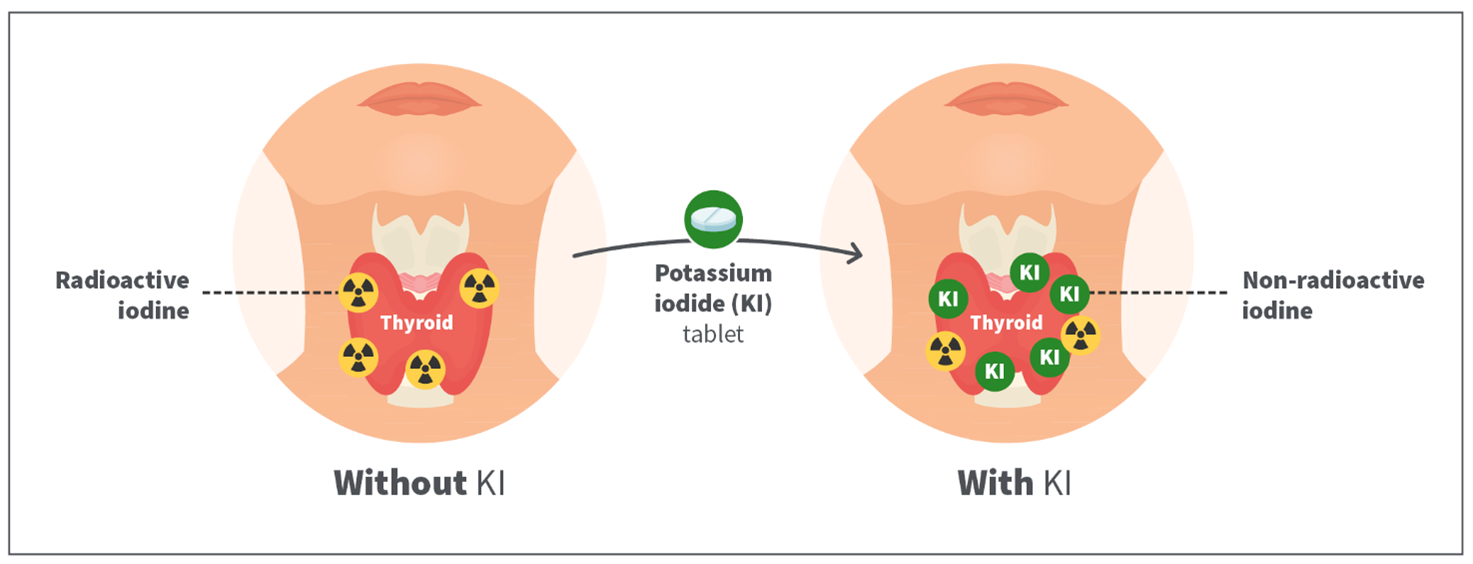 Figure 1: Potassium iodide tablets work by blocking the absorption of radioactive iodine.
The thyroid gland naturally absorbs iodine from the bloodstream to produce hormones that regulate growth, development and metabolism. It does the same with radioactive iodine. In a radiological or nuclear emergency, KI tablets can help prevent the thyroid gland from absorbing radioactive iodine – if that is released into the environment. If used appropriately, potassium iodide can help block radioactive iodine from being absorbed by the thyroid.
What are the potential health effects from exposure to radioactive iodine during a radiological or nuclear emergency?
Exposure of the thyroid to radioactive iodine can increase the risk of thyroid cancer and other thyroid conditions, particularly in children and young adults, whose thyroid glands are more sensitive to radiation.
Does potassium iodide protect against all radiation?
No. Potassium iodide will only protect your thyroid from radioactive iodine and does not protect other parts of your body. It only protects the thyroid if there is a risk of internal exposure through ingestion or inhalation of radioactive iodine. It will not protect you from other radioactive substances or external exposure of your body to radiation.
Potassium iodide tablets are one form of urgent protective action and should be combined with other protective actions such as sheltering, stopping consumption of contaminated food and water, and evacuation or relocation in line with advice from public health authorities.
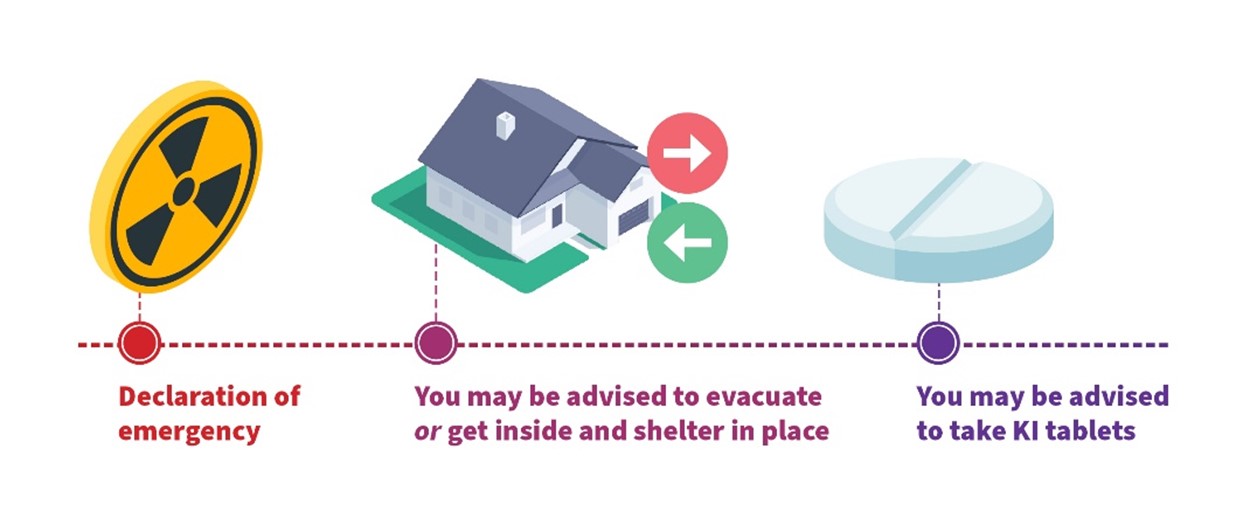 Figure 2: Examples of urgent protective actions that could be taken following the declaration of an emergency.
When should I take KI?
Potassium iodide tablets should only be taken when advised by public authorities –.
If you're directed to take KI, follow the instructions immediately. The optimal period of administration of KI is less than 24 hours prior to, and up to 4 hours after, the expected onset of exposure. The use of KI may still provide a level of protection 8 hours after the exposure. Starting KI later than 24 hours after the exposure is not recommended. It may do more harm than good. Never take more than instructed. Larger doses won't provide more protection and increase the risk of side effects.
Can I take KI if I am pregnant or breastfeeding?
Children and pregnant women are more likely than adults over 40 years to be directed to take KI. Protecting the thyroid during pregnancy is important because radioactive iodine can affect both the mother and the developing baby. Never take more than instructed. When the emergency is over, inform your doctor so they can assess your baby’s thyroid function.
Are there any risks of taking KI?
Most people can take KI safely when directed during an emergency. However, people with certain conditions should seek medical advice where possible, including those with:
- Thyroid disorders
- Kidney disease
- Previous adverse reactions to potassium iodide
Medical advice is particularly important for newborns 0-1 month, pregnant and breastfeeding women, people over 60 years and those with existing thyroid conditions.
Where to learn more
- ARPANSA's Advisory Note to RPS G-3: Use of Potassium Iodide During a Radiological or Nuclear Emergency includes more information such as recommended dose for your age group
- Smart Traveller advice on what to do if there’s a nuclear incident overseas
- A radiological or nuclear emergency is an emergency in which there is a risk of radiation exposure due to the release or potential release of radioactivity. Find out more about ARPANSA’s Radiation Emergency and Response
- ARPANSA's Guide for Radiation Protection in Emergency Exposure Situations (RPS G-3)