
Regulatory Guide - Holistic Safety (ARPANSA-GDE-1753)

This document provides guidance to licence holders on the interaction of key technological, individual or human, and organisational factors necessary to create and maintain optimal safety.

Introduction

Citation

This publication may be cited as the Regulatory Guide: Holistic Safety (2025). This publication supersedes the Regulatory Guide - Holistic Safety (ARPANSA-GDE-1753).

Background

Charged with the function of protecting the health and safety of people and the environment from the harmful effects of radiation under the Australian Radiation Protection and Nuclear Safety Act 1998 (the Act), ARPANSA adopts a holistic safety approach to the regulation of radiation protection and nuclear safety.

A holistic safety approach considers the role of the whole system in managing safety. This includes technical (equipment, tools, technology, etc.), human (cognition, attention, perception, etc.) and organisational (culture, procedures, work environment, etc.) factors, as well as the interactions between them. 
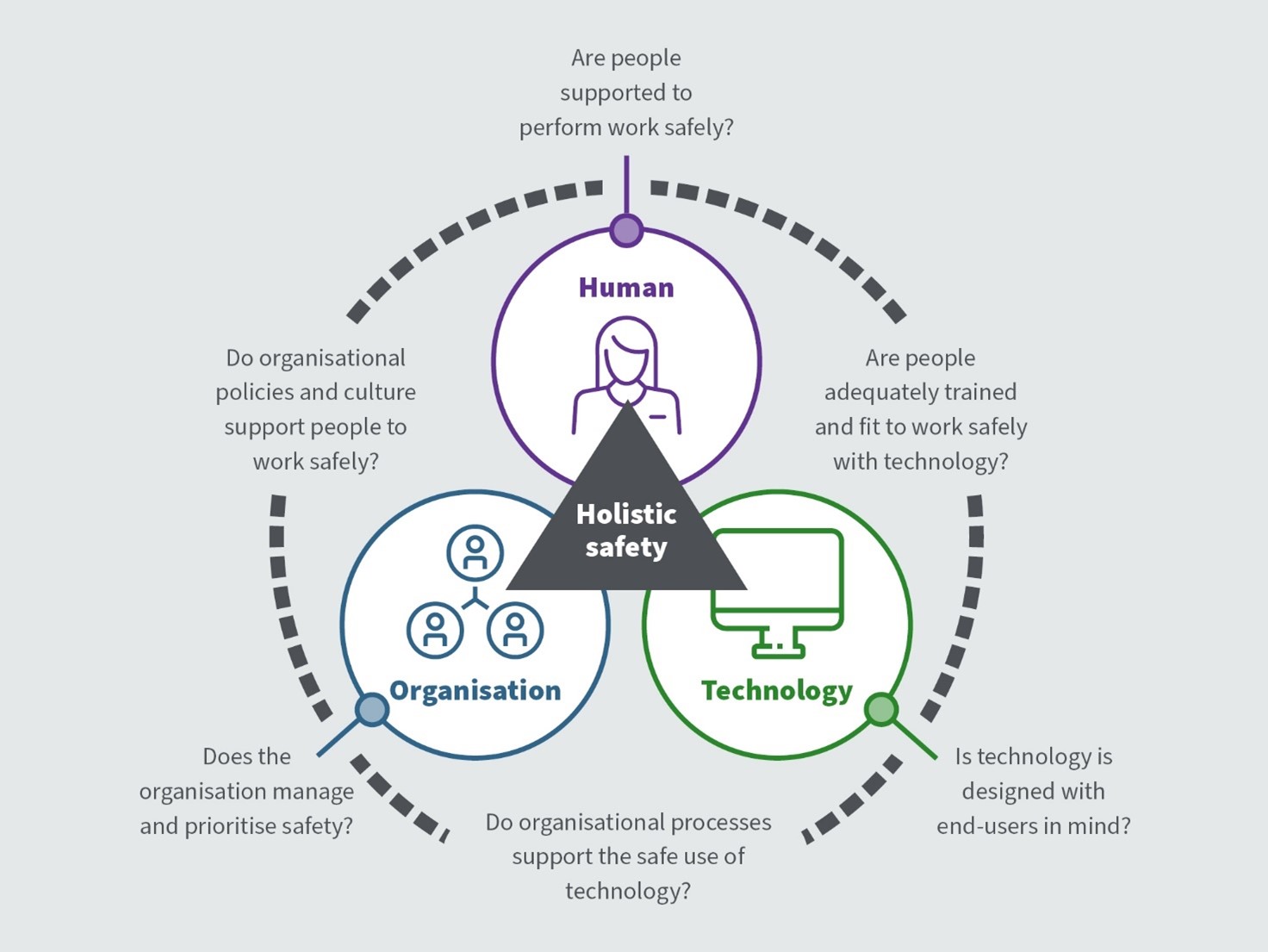
Holistic safety is an interaction between technical, human, and organisational factors (THOF)

Figure 1: Holistic safety is an interaction between technical, human, and organisational factors (THOF)

Holistic safety also takes a systems-thinking approach which recognises that work exists within a wide system, where safety responsibility and influence spans multiple system levels (Salmon et al., 2023). These levels include the work itself, the staff who perform the work, the leaders (both middle and senior management) who manage the work, the organisation commissioning the work, and external stakeholders (including regulators; Rasmussen, 1997).

ARPANSA encourages the adoption of holistic safety principles. This requires a comprehensive understanding of factors affecting the safety of day-to-day work, especially those that may otherwise be overlooked. This approach aims to prevent the decline of safety performance, in line with International Nuclear Safety Advisory Group (INSAG) Report 15. 
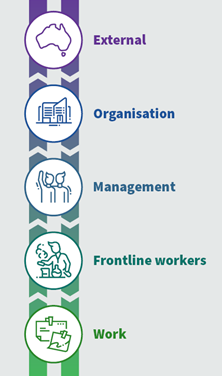
Information and influence should move across all levels of a system hierarchy, and in both directions.

Figure 2: Information and influence should move across all levels of a system hierarchy, and in both directions.

Development of the Guide

This Guide has been developed in consultation with ARPANSA’s international nuclear regulator counterparts, Australian regulators in other high-risk industries, and ARPANSA licence holders. 

These guidelines are consistent with the aims of:

Wherever possible, these references have been provided alongside their relevant factors within this guide.

Purpose

The purpose of this Guide is to provide ARPANSA applicants, licence holders, assessors, and inspectors an updated framework on holistic safety in line with modern best practice. When implemented, these guidelines should support applicants and licence holders in meeting their regulatory requirements, including sections 53(ea), 54(ea), 57A and 60 of the Australian Radiation Protection and Nuclear Safety Regulations 2018 (the Regulations).

A secondary objective is to provide reference to high quality standards and research to assist in the practical application of this Guide. These resources can be used to assess systems and operations, develop internal assessment tools, and integrate holistic safety across organisations.

Scope

This Guide presents a high-level overview of what should be considered when taking a holistic approach. As a guide, the individual recommendations within this document are not regulatory requirements but instead establish ARPANSA’s regulatory expectations for best practice and inform ARPANSA’s approach to making licensing decisions (Act s32(3) and s33(3)).

ARPANSA is the Australian Government’s primary authority on radiation protection and nuclear safety. As such, all factors in this Guide are considered with respect to radiation protection and nuclear safety. Factors in this Guide may overlap with those considered by other regulators (e.g. Comcare). Licence holders should be aware that regulators may take different approaches to these factors due to differences in underlying legislation and jurisdiction.

A graded approach should be adopted by licence holders in the consideration and application of these factors, where the scale of actions taken is proportional to the significance of the associated risk. Licence holders should apply due consideration to the relevance of each factor and ensure alignment with international best practice and other applicable documents.

How to use this Guide

How licence holders should use this Guide

This Guide is designed to be a practical and enabling resource for the application of holistic safety throughout the work lifecycle (e.g. when designing systems, developing procedures, or conducting self-assessments).

The Guide is divided into 4 chapters: Technical Factors, Human Factors, Organisational Factors, and Systemic Factors. Each chapter includes a number of factor categories (e.g., Defence in Depth, Situation Awareness, Work Environment, etc.), which each contain factors. Each factor follows a set structure:
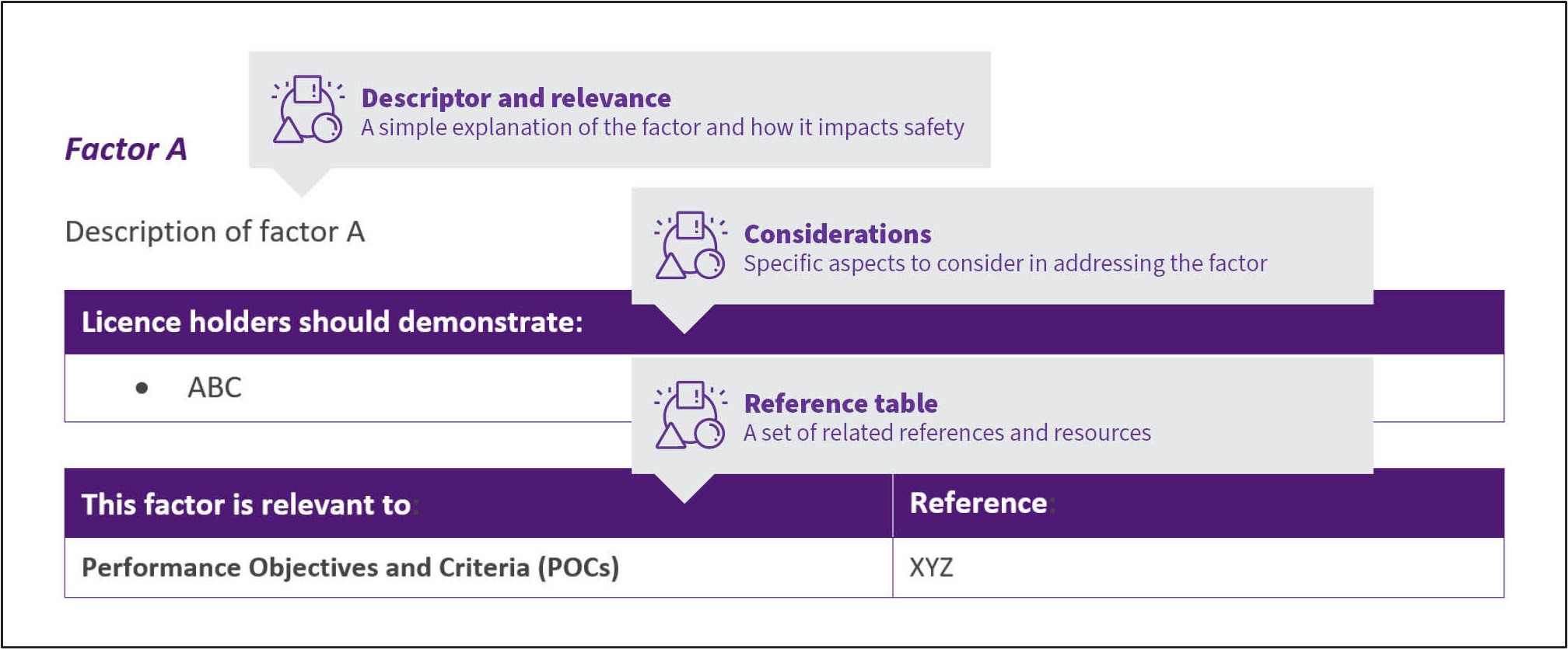
The Guide is divided into 4 chapters: Technical Factors, Human Factors, Organisational Factors, and Systemic Factors. Each chapter includes a number of factor categories (e.g., Defence in Depth, Situational Awareness, Work Environment, etc.), which each contain factors. Each factor follows a set structure:

Licence holders are encouraged to reflect on the relevance and prevalence of each factor in their respective work/workplace. Once relevant factors are identified, licence holders should reflect on the individual considerations and interrogate how effectively those considerations are being addressed by their organisation. Licence holders should also determine where improvements are required and should develop specific action plans to achieve them. Reference tables should be used as additional support in developing actions. 

Where factors have been deemed less/not relevant, licence holders should justify reasons for exclusion. Where reference tables contain a limited number of resources, this should not be interpreted as an indication of the factor's limited relevance. Instead, it underscores the unique value of this document, which extends beyond the scope of factors addressed by other resources. Finally, reference tables are not exhaustive lists of related standards, codes, legislation, or best-practice.

The framework provided in this Guide should become part of a licence holder’s process for designing, implementing and assessing holistic safety in their systems, equipment, tools, tasks and general work environments. This Guide can also be used to inform investigations into incidents and other safety events.

Licence holders should adopt a systematic approach to the application of the factors within this framework and understand how the factors across the 4 chapters interact across the system. When implemented thoughtfully, selected controls and actions can be designed to support multiple factors at once. 

How ARPANSA will use this Guide

This Guide is ARPANSA’s principal document on holistic safety. It will serve as the main point of reference for ARPANSA’s regulatory approach, particularly sections 53(ea), 54(ea), 57A and 60 of the Regulations. This includes in the assessment of licence holder submissions and in conducting inspections.

ARPANSA adopts an evidence-based approach to regulation. Any decisions made by ARPANSA will reflect the data collected from/submitted by licence holders, in line with a graded approach. Where evidence points to issues regarding holistic safety, this may prompt further enquiry.

Chapter 1: Technical factors 

Technical factors are the set of technological and protective conditions that support operators in being safe. This chapter outlines the importance of distinct technical factors and their safety relevance.

Licence holders should demonstrate a concerted effort in addressing these factors when designing and implementing technology and related controls, including the unique interactions introduced by these technologies.

Technical factors are relevant wherever humans interact with technology. While these factors are particularly significant for human-operated technologies, all technology requires some degree of human involvement and organisational support in its design, development, monitoring, maintenance, and decommissioning. Consideration of technical factors, and their interactions with human and organisational factors, throughout each stage will support safety for all degrees of human involvement.

Technology factors

Technology integrations in the workplace can result in unique and unexpected interactions between systems and the people working with them. The factors in this category address the safety implications that may arise from the intersection of technology and the way work is fundamentally performed

Human-machine interfaces

Human-machine interfaces (HMIs) are the point of interaction between a human and a machine. This includes where the machine provides information on its status (output) and where an operator engages with the machine (input). These interfaces can include the user interface of a computer, analogue dials, control panels, etc. Good HMIs support users in making safe decisions by providing accurate and timely information in an intuitive, responsive and easy-to-understand format.

Licence holders should demonstrate:
  • a shared understanding across the workforce of the factors that support and limit the useability of HMIs
  • that HMIs provide accurate and timely information and are intuitive, responsive and easy-to-understand
  • application of proven and best-practice design principles that support the development of good HMIs
  • consistency in the design principles of HMIs used across the organisation
  • availability of training and resources for users on the use of HMIs
  • regular review and revision of HMIs to ensure there are adequately maintained and support the changing needs of users 


This factor is relevant to:Reference:
Performance Objectives and Criteria for facilities (POCs(F))C17.3, C21.10                                                                                                                  
General Safety Requirements (GSR) Part 22.2b
Australian or International Standards (AUS/INT STDs)ISO 6385:2016, ISO 9241 (multiple parts)

Note: criteria listed from Performance Objectives and Criteria (facility) in reference tables may differ from matched criteria listed in Performance Objectives and Criteria (sources). Readers will need to compare documents to determine relevant criteria. 

Automation and artificial intelligence

Integration of automation (including semi-automation) and artificial intelligence (AI) into systems involves the transition from ‘humans as controllers’ to ‘humans as system managers’. As the complexity of automation and algorithms grows, so too does the challenge of deciphering the system's internal logic. This has implications for how individuals interact with systems, including how they assess risk, what decisions they make, and what actions they take. Outcomes can be either beneficial (e.g. system efficiency) or adverse (e.g. overconfidence in automated functions or impeded situation awareness) to safety. 

Licence holders should demonstrate:
  • rigorous processes for determining the appropriateness of automation/AI integration before implementation, including understanding the purpose, opportunities, risks and potential safety outcomes
  • thorough piloting processes for verifying the use of selected automation/AI, including acceptance testing
  • routine evaluations of the effectiveness of automation/AI integrations, with action taken to address outcomes
  • clear chains-of-responsibility for automation/AI integrated systems, including operator responsibilities, that are well understood across the workforce
  • processes for managing and responding to events when automation/AI integration fails


This factor is relevant to:Reference:
GSR Part 24.30, 4.31, 4.32                                                                                                                                                                                                                                                                                                                                                   
AUS/INT STDsISO/IEC 42001:2023, ISO/IEC TR 24027:2021, Australian Government Voluntary AI Safety Standard

Control factors

Applying control measures, in a graded approach, is crucial for protecting safety and security. The following factor(s) address the way in which controls should be designed, selected and layered to provide maximum safety assurances.

Defence in Depth

Defence in depth (DiD) refers to the deployment of successive levels of protection, and is traditionally applied to nuclear safety. However, elements of DiD can be applied to safety generally. Specifically, DiD seeks to:

  • compensate for potential failures (technical, human or organisational)
  • provide, and maintain the effectiveness of, protective barriers
  • protect the public and the environment when protective barriers are ineffective.

DiD, as presented in INSAG-10, is structured in five levels. If one level fails, subsequent levels should take effect. Importantly, conservative design, quality assurance and a mature safety culture are considered prerequisites to the effective implementation of DiD.

Level

ObjectiveEssential means

1

Prevent failures and ensure that anticipated operational occurrences/disturbances are infrequentConservative, high quality, proven design and high quality in construction

2

Maintain the intended operational states and detect failuresProcess control and limiting systems, other surveillance features and procedures

3

Protect against design-basis accidentsSafety systems and accident procedures

4

Limit the progression and mitigate the consequences of beyond-design-basis accidentsAccident management and mitigation

5

Mitigate the radiological consequences of beyond-design-basis accidentsOff-site emergency response


Licence holders should demonstrate:
  • implementation of DiD across the facility
  • that adequate action has been taken to implement the relevant levels of defence in depth
  • regular evaluations of the effectiveness of protective barriers used in each successive level
  • evaluation of the independence of defences to prevent cascading effects (e.g. due to tight coupling)
  • the triggering of reviews and updates of controls if a layer of defence fails
  • attention to internal or external events that have the potential to adversely affect more than one barrier at once, or to cause simultaneous failures of safety systems
  • prerequisites of conservatism, quality assurance and safety culture are met
  • that DiD is applied with a graded approach
  • protection of safety barriers/controls themselves


This factor is relevant to:Reference:
POCs(F)C17.5, C21.9, C33.10, C34.2, C34.4, C37, C38
Other IBPIAEA: INSAG-10; GSR Part 4 Safety Assessment for Facilities and Activities, Requirement 13; SRS No. 46                                                                                        

Chapter 2: Human factors

Human factors are the full array of complex mental, physical and psychosocial factors that contribute to an individual’s ability to work safely. This chapter outlines the importance of distinct human factors and their relevance to nuclear safety and radiation protection.

Licence holders should demonstrate consideration and integration of these factors when designing equipment, tools, tasks and the general work environment. This includes understanding how people think and feel, how they interact with each other, and the strengths and limitations of their capabilities (physical, psychological, or otherwise). Applicants and licence holders should further consider how human factors will interact with technical and organisational factors.

Cognitive factors

Cognitive factors relate to how individuals process information, specifically, how they think, perceive, understand and respond to their environment. Understanding human information processing is key as this can impact safety, both directly and indirectly.

The following factors explain the components of human information processing, their role in safety, and the considerations necessary for managing it. 
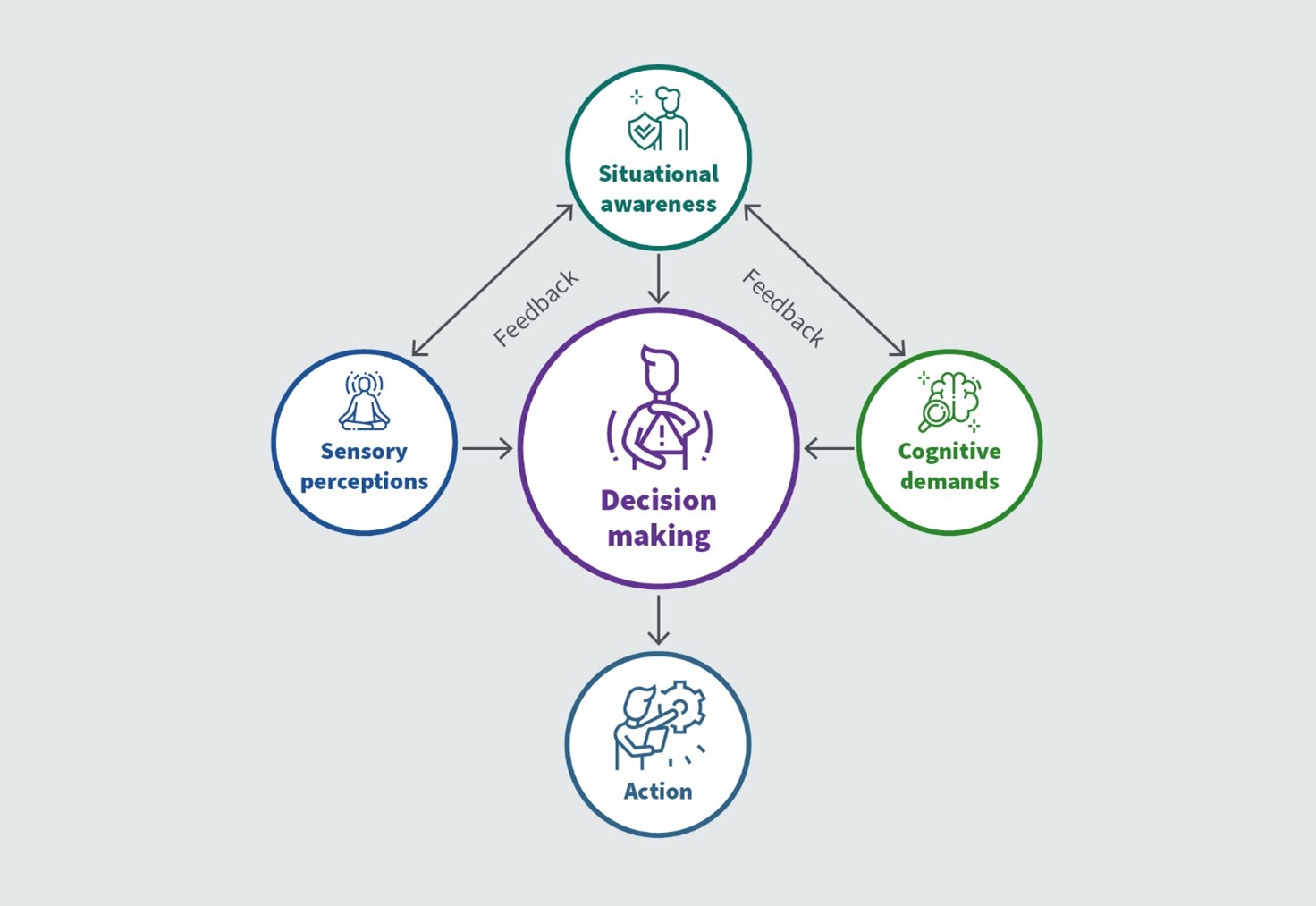
Cognitive factors

Situation awareness

Situation awareness refers to an individual’s ability to perceive a system’s current status, to anticipate its future status, and to respond appropriately (Endsley, 2015). Put more simply; ‘what is happening, what might happen next, and what can I do about it’. Good situation awareness allows individuals to respond appropriately and rapidly to changing circumstances, thereby supporting safety.

Licence holders should demonstrate:
  • a shared understanding across the workforce of the basic principles of situation awareness, including which factors can affect it, and which can be impacted by it
  • that systems, equipment, tools, tasks and the general work environment are designed to support users in maintaining situation awareness
  • training that develops competence in situation awareness, including how to build it, maintain it and recognise when it has been degraded


This factor is relevant to:Reference:
POCs(F)C5.3, C9.5, C17.3, C21.20, C21.23                                                                                                                                                                                                                                   

Cognitive demands

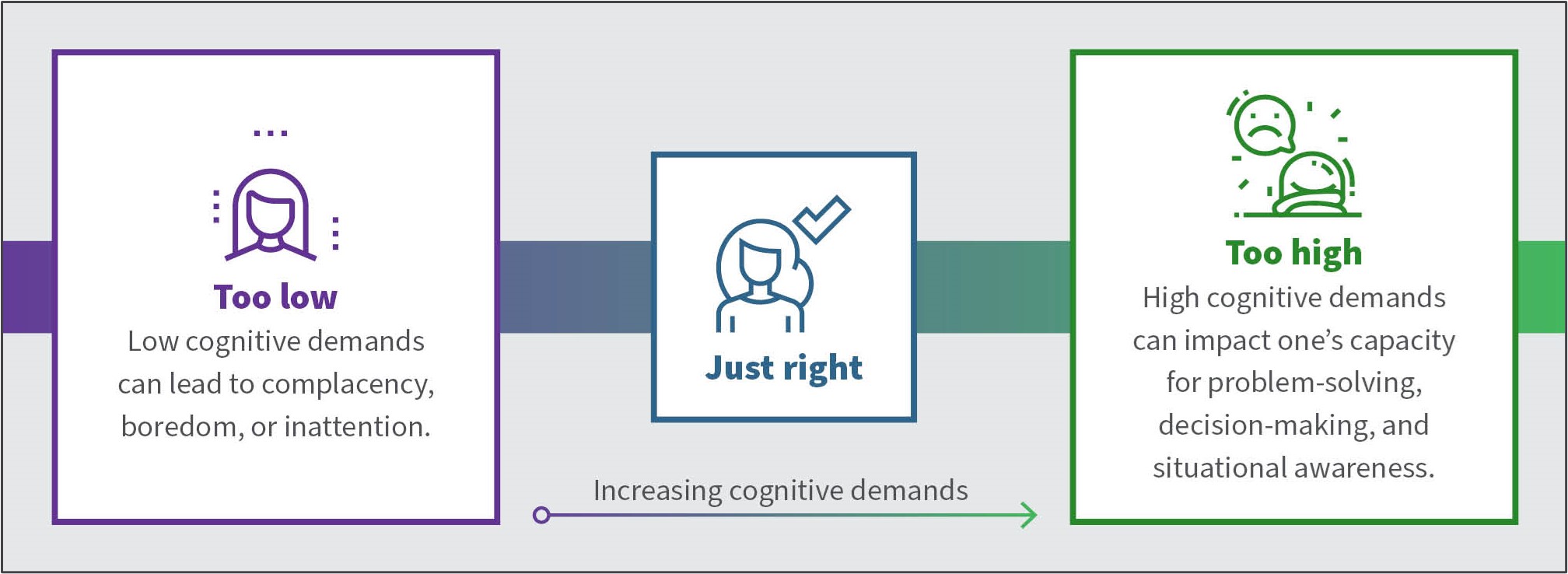
Cognitive resources like memory and attention are limited and in demand. Individuals rely on these resources to diagnose risks and to guide decision-making. As the complexity of a task increases, so too do cognitive demands. On either extreme, cognitive demands have considerable implications for safety.
Licence holders should demonstrate:
  • a shared understanding across the workforce of the basic principles of situation awareness, including which factors can affect it, and which can be impacted by it
  • that systems, equipment, tools, tasks and the general work environment are designed to support users in maintaining situation awareness
  • training that develops competence in situation awareness, including how to build it, maintain it and recognise when it has been degraded


This factor is relevant to:Reference:
POCs(F)C5.3, C9.5, C17.3, C21.20, C21.23                                                                                                                                                                                                                                   

Cognitive demands

Cognitive resources like memory and attention are limited and in demand. Individuals rely on these resources to diagnose risks and to guide decision-making. As the complexity of a task increases, so too do cognitive demands. On either extreme, cognitive demands have considerable implications for safety.

Balancing cognitive demands is key for optimal performance

Figure 4: Balancing cognitive demands is key for optimal performance

Take for example, an operator who manages a control room with fully automated systems and where human intervention is rarely required. Over time, this operator may become inattentive, complacent or bored. Alternatively, operating a control room where systems are frequently and simultaneously in alarm and human intervention is frequently required may lead them to become overwhelmed, confused, or burnt out. Both cases can have cascading implications for situation awareness, decision-making, and safety overall.

When a task is novel, cognitive demands tend to be high as performance is based on the individual’s knowledge base (as there is no past experience to draw on). Over time, as individuals become more familiar and experienced, performance becomes more rule-based and skills-based, and cognitive demands decrease (Embrey, 2005; Rasmussen J. , 1983). If cognitive demands diminish too much, this can have negative safety implications. 

Optimising cognitive demands to align with the mental capacities of the person conducting the work, and accounting for changes in demands over time, is key to safety performance.

Licence holders should demonstrate:
  • an assessment of the type of cognitive resources in demand when designing systems, tasks, processes, and procedures
  • an assessment of the cognitive demands of work, with consideration for how both high and low demands impact safety
  • alignment of cognitive demands with the capabilities of those performing the work
  • that procedural documents are prepared with consideration of cognitive demands


This factor is relevant to:Reference:
POCs(F)C9.5, C17.3, C33.7     
AUS/INT STDsISO 10075-1:2017, ISO 10075-2:2024, ISO 10075-3:2004                                                                                                  

Sensory perception

Sensory perception refers to the use of senses (vision, hearing, touch, smell and taste) to perceive and understand the physical environment. Accurate perception is necessary for making informed decisions and taking appropriate action. Perceptual deficiencies or overstimulation (e.g. a loud working environment) can interfere with this accuracy, thereby impacting safety.

Licence holders should demonstrate:
  • consideration of human sensory perception, and its limitations, in the design of the physical environment, systems, tasks and procedures
  • assessments of the perceptual requirements of tasks and alignment of these requirements with the capabilities of those performing the work
  • controls to identify and manage factors that may impact perceptual effectiveness


This factor is relevant to:Reference:
POCs(F)C9.5, C17.3, C33.7
AUS/INT STDsAS/NZS 1269:2005, AS/NZS1680.2.4:2017                                                                                                                                                                        

Decision-making

Decision-making is the process of reaching a judgement or choosing an option that meets the needs of a given situation. This can be done casually (intuitively) or analytically (through rational and logical evaluation) or even informed by technology (e.g. artificial intelligence). 
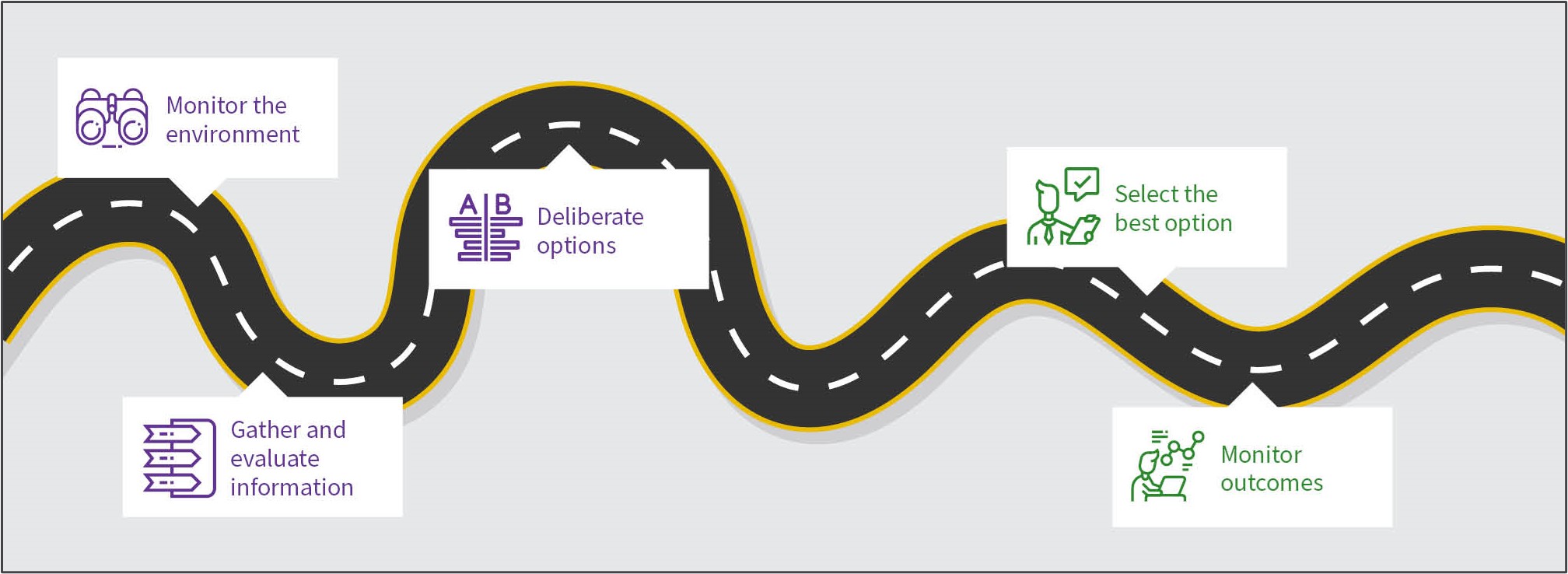
Roadmap illustrating the journey of a good decision-maker

Figure 5: Roadmap illustrating the journey of a good decision-maker

Decision-making, at both an individual and organisational level, should be appropriately conservative, realistic, and proportionate to the potential risks. Taking a conservative approach, where actions are determined to be safe before proceeding, benefits safety. 

Licence holders should demonstrate:
  • a shared understanding across the workforce of how decision-making can contribute to positive and negative safety and security outcomes
  • a conservative approach to decision-making
  • active consideration of multiple options and justification for why one option was chosen over others
  • various decision-making tools, models and processes, and an understanding of their strengths and weaknesses
  • training programs that build competence in good decision-making
  • clearly established roles, responsibilities and powers of individuals for decision-making. These should be well-known across the workforce
  • consistent, transparent and systematic decision-making processes, which prioritise safety and security. This approach should be informed, rational, objective and prudent
  • evaluations of the effectiveness of decision-making and integration of lessons learnt into the decision-making process


This factor is relevant to:Reference:
POCs(F)C14.2, C20.13, C34.3, C39.2
GSR Part 23.1d, 3.3c, 4.7d, 4.9d, 4.10, 4.14, 4.17, 5.2g                                                                                                                                                                                                                                      
HSCMDM.

Fitness for Duty factors

The factors within this category are those which may impact on both physical and psychological health and wellbeing. Organisations that adopt a holistic approach to the management of these factors protect safety outcomes by ensuring workers are fit for duty. 

Stress and burnout

Stress is the high emotional arousal an individual might feel in response to a physically or cognitively challenging event. Some stress can be beneficial and help motivate individuals to rise to the occasion. This can support safety by promoting vigilance and other positive safety behaviour. However, stress can also become overly taxing on an individual’s physical or mental resources or exceed their ability to cope. This can degrade health and subsequently safety. 
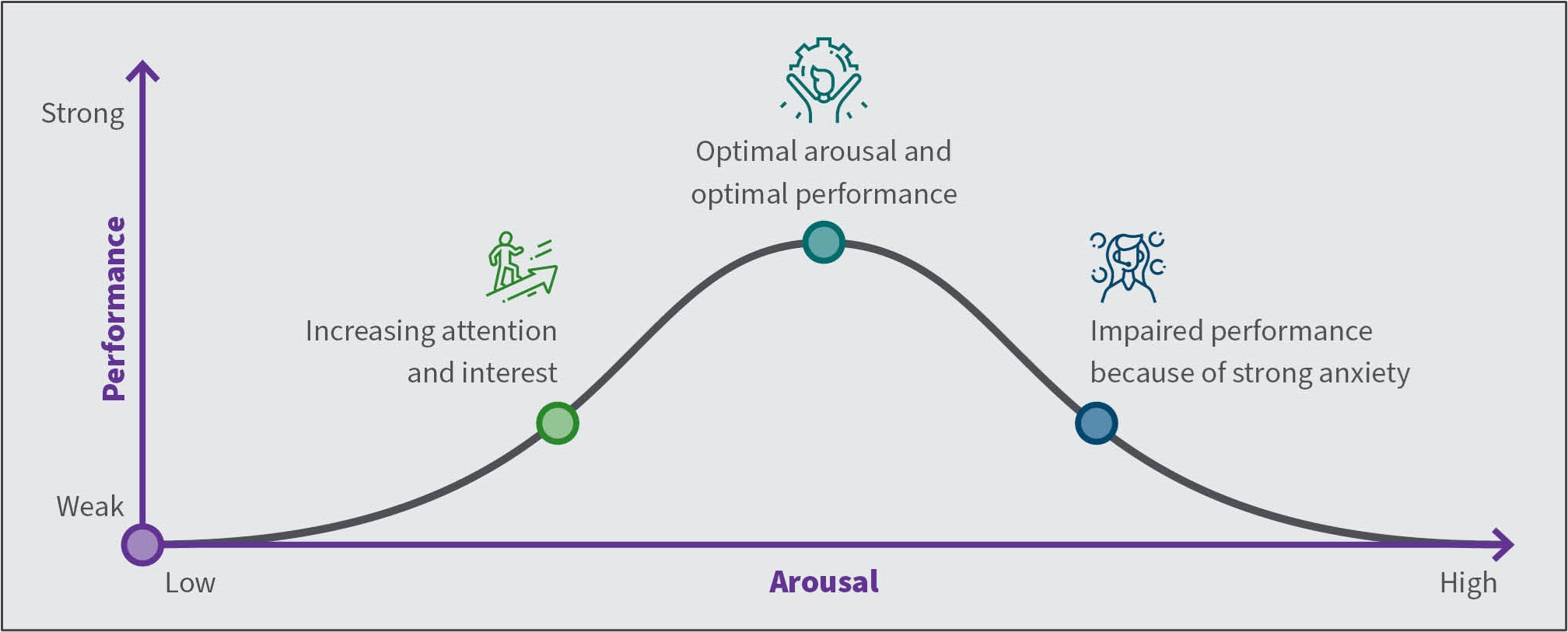
Relationship between arousal and performance

Figure 6: Relationship between arousal and performance

When individuals cope with stress by detaching from work, they are likely to be experiencing burnout. Burnout is a syndrome characterised by emotional exhaustion, increased mental distance from one’s job, and reduced feelings of personal accomplishment (World Health Organization, 2019). 

Stress and burnout impact personal safety as well as one’s ability to uphold one’s safety and security responsibilities at work.

Licence holders should demonstrate:
  • robust mechanisms to identify stressors and manage their implications (realised or potential)
  • design jobs and work methods to consider and mitigate potential stressors
  • adequate allocation of human and technical resources to support with tasks with inherently high demands
  • methods for monitoring and managing employee stress
  • increased opportunities for job control that can be availed by staff when dealing with high demands and other stressors
  • supportive work groups and team resources to share occupational demands across staff
  • training and resources which support individuals to manage stress


This factor is relevant to:Reference:
POCs(F)C9.5, C17.3, C33.7
GSR Part 26.3
HSCMPI, WP.1
Other IBPWHO/MNH/MND/94.21                                                                                                                                                                 

Fatigue

Fatigue is a state of tiredness or diminished functioning. Fatigue can be both mental (e.g. complex decision-making), physical (e.g. physical exertion), or both (e.g. extended lack of sleep). Whilst individuals may be able to work through small amounts of fatigue, chronic fatigue can have increasingly dangerous effects on safety. The most insidious aspect of fatigue is that those who are fatigued often cannot recognise their own fatigue and thus, may continue to operate under these conditions. This can have considerable safety implications.

Licence holders should demonstrate:
  • a shared understanding across the workforce on the basics of fatigue, its implications on safety and security, and how to manage it
  • contingency measures and staff planning arrangements to mitigate fatigue-related issues, particularly in the case of shiftwork
  • consideration of external factors which may impact upon staff fatigue, and methods for management of them
  • systems which measure, manage, monitor and report on staff fatigue. This includes peer evaluation and notification of fatigue
  • work and systems that manage fatigue as part of their inherent design


This factor is relevant to:Reference:
POCs(F)C9.5, C17.3, C21.10, C33.7                                                                                                                                                                                  
GSR Part 26.3
HSCMPI, WP.1

Psychosocial hazards

Psychosocial hazards are workplace factors which can cause psychological harm. These may arise from the design or management of work itself, the work environment, or workplace interactions. Psychosocial hazards can also interact to create new, changed, or more complex risks. For example, high workloads may become more hazardous when individuals also have insufficient breaks or poor peer support. Without intervention or controls, psychosocial hazards can impact safety (for example, by degrading decision-making or problem-solving abilities).

Licence holders should demonstrate:
  • a systematic approach to identifying reasonably foreseeable psychosocial hazards and eliminating or minimising them
  • psychosocial hazards and risk management forms part of the design of training, systems, tasks, policies and processes and other key elements of work
  • awareness and implementation of different psychosocial intervention methods, and their effectiveness
  • routine evaluations of the effectiveness of implemented controls for psychosocial hazards, and adjustments made to ensure risks are reduced


This factor is relevant to:Reference:
POCs(F)C9.5, C17.3, C21.10
GSR Part 24.30, 5.2d
HSCMPI, WP.1 
AUS/INT STDsISO 45003:2021
Other IBP

Safe Work Australia Work-related psychological health and safety

Safe Work Australia Managing psychosocial hazards at work                                                                                                                                                   

Alcohol and other drugs

The effects of alcohol and other drugs (AOD) can impair one’s fitness for duty by degrading the physical and mental functions that are critical to safety. These include:
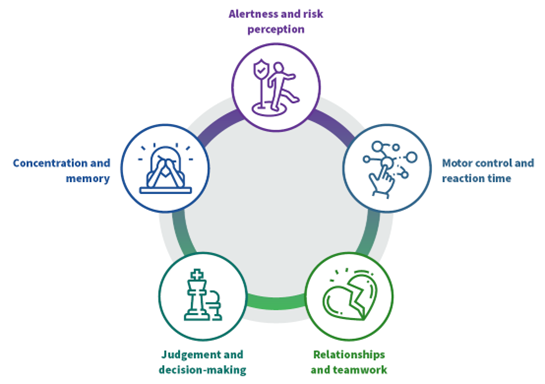
The effects of AOD

Figure 7: The effects of AOD

Identifying and managing staffs’ use of AOD is critical for reducing the risk of injury, harm and other negative safety outcomes. 

Licence holders should demonstrate:
  • clear documentation and circulation of policies that deal constructively with AOD use and outline the standards and expectations of staff
  • assessments of factors that may contribute to AOD use (including the physical environment, availability, stress, job characteristics and management style)
  • mechanisms that address, limit, or eliminate factors that may contribute to AOD use
  • established procedures for the detection, assessment and reporting of AOD use, including the use of legal substances that can impair function or magnify the effects of AOD


This factor is relevant to:Reference:
POCs(F)C1.2, C5.4, C8.1, C8.2, C9.1
HSCMPI., RC. 
Other IBPSafe Work NSW Alcohol and other drugs in the workplace                                                                                                                                                                                                       

Physical ergonomics 

The physical capabilities of an individual impact how they engage with equipment, tools, technology, tasks and the general work environment. The following sections outline the interplay between physical capabilities and safety and specifies the considerations necessary to ensure work environments are designed with consideration for those working within them.

Physical work environment

Physical work environment refers to the design of an individual’s and team’s workspace (e.g. desk, workbench) and the surrounding environmental conditions (e.g. lighting, noise, cleanliness). This can include the interactions between multiple workflows. Designing spaces to avoid unnecessary stresses and strains (e.g. postural risks and repetitive strain), whilst maintaining useability and accessibility, can help decrease the chance of error and enable safe practice. 
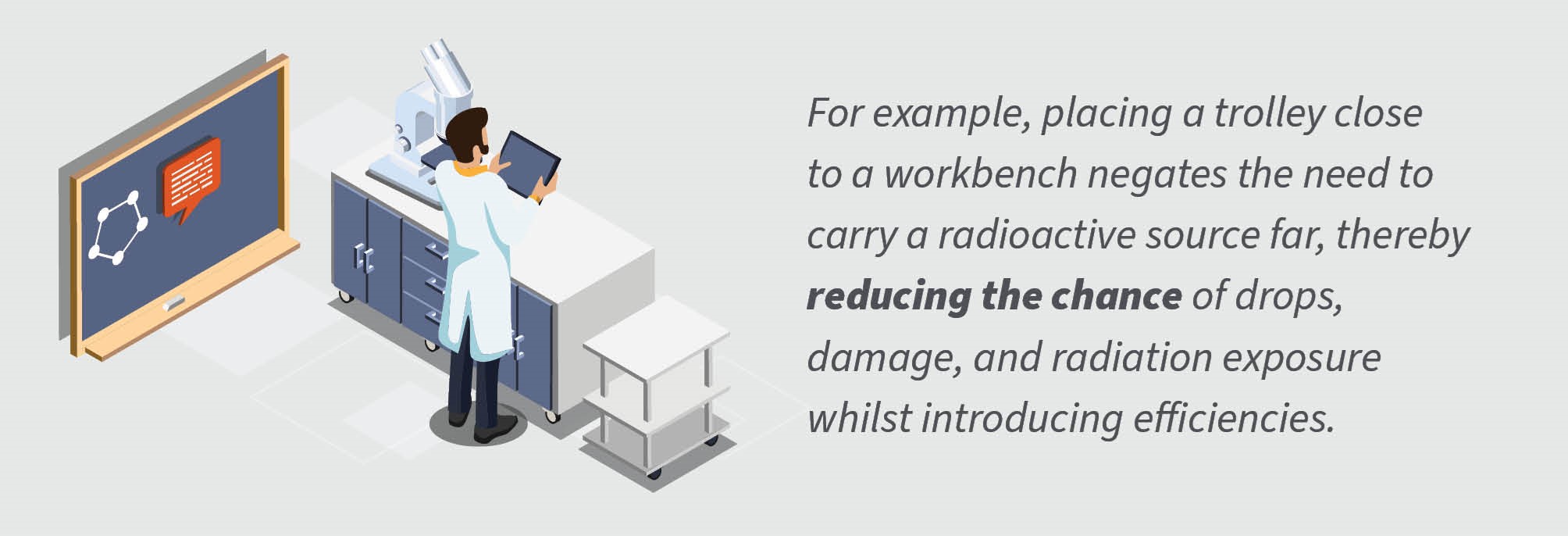
Reducing the change of drops
Licence holders should demonstrate:
  • that the design of the physical work environment eliminates or minimises hazards or risks to safety
  • design and implementation of training, systems, tasks, policies and processes support a safe physical work environment
  • routine assessment of the physical work environment and its impact on individuals, their work and overall outcomes
  • a process to review and revise the physical work environment to ensure it remains optimised for the needs of people and the organisation


This factor is relevant to:Reference:
POCs(F)C9.5, C17
GSR Part 22.2a, 2.2b
AUS/INT STDsISO 6385:2016, AS(/NZS) 2243                                                                                                                                                                                       

Anthropometry

Anthropometry is the measurement of the proportions, size and form of the human body, and the application of this information to the design of workspaces and equipment. Anthropometric design helps ensure that an individual’s full functional capacity is maintained when doing a task. For example, hazmat suits should adequately conform to an individual’s physical dimensions, or equipment at workstations should be easily accessible for individuals of different heights and limb lengths. Importantly, this requires a thorough understanding obtained via assessment of the actual user group. 

Licence holders should demonstrate:
  • an assessment and understanding of the user group to guide anthropometric design activities
  • use of anthropometric measurement and analysis in the design of equipment, tools, technology, tasks and the physical work environment (e.g. layout)
  • use of anthropometric techniques to evaluate the appropriateness of equipment, tools, technology, tasks and the physical work environment, and action taken to address the outcomes of these evaluations


This factor is relevant to:Reference:
POCs(F)C9.5, C15.3, C17.2, C17.3, C19.1, C19.2
GSR Part 22.2a, 2.2b                                                                                                                                                                                                                         
AUS/INT STDsISO 6385:2016, ISO 7250-1:2017, AS 2243.1:2021

Chapter 3: Organisational factors 

Organisations are complex structures, with individuals, teams and leadership working together with equipment, systems, and technology, inside a dynamic working environment, to uphold safety. This chapter outlines the importance of distinct organisational factors and their relevance to nuclear and radiation safety.

Licence holders should demonstrate a concerted effort to address these factors when developing the policies, processes, procedures and practices for their broader organisational systems. This includes thinking and responsive planning for the long-term. Addressing organisational factors should involve the consideration of their impacts and interactions with technical and human factors.

Workforce factors

The factors in the following section address an organisation’s ability to develop and ensure their workforce possesses the fitness, readiness, capacity, and capability to perform their work safely, as both individuals and as a team.

Competence and training

Competence is the collection of knowledge, skills and experience necessary for an individual to perform their duties to a recognised standard, including those set for safety and security. Having a competent workforce is crucial for safe operations.

Training (and assessment) is a key mechanism for ensuring that competence is achieved and maintained. Training involves updating, developing, applying and practising knowledge and skills. Together, competency and training help mitigate safety issues that may arise from a lack of knowledge and/or skills.

Licence holders should demonstrate:
  • a competent workforce that ensures safety and security standards are upheld
  • rigorous processes for determining the requisite competencies of safety related roles across all levels of the organisation, including leaders
  • regular assessments of the competence of individuals to work safely across all levels of the organisation, including leaders
  • that training builds competence to the required standard before any work is carried out
  • that training is clearly linked to role requirements, includes learning objectives, and defines satisfactory performance, including for leaders
  • that training is proactive, rather than reactive, and conducted regularly to maintain competence
  • that training effectiveness is measured and used to improve systems of training
  • succession planning arrangements that compensate for the departure of competent staff


This factor is relevant to:Reference:
POCs(F) C12                                                                                                                                                                                                                                  
GSR Part 2Requirement 9
HSCMCL.
AUS/INT STDsAS/NZS 45001:2018 7.2
IBP IAEA GSR Part 1: Requirement 11

Recruitment and resourcing

Recruitment and resourcing refer to the selection and acquisition of staff, including contractors and consultants. This requires an appropriate number of suitably qualified and experienced persons (SQEPs) who are equipped with the resources (budget, time, training, etc.) necessary to perform their duties safely. This includes taking a long-term view of the organisation, anticipating future needs, and planning accordingly.

Licence holders should demonstrate:
  • sufficiency in resourcing (including personnel) needed for running a safe operation
  • long-term planning of resources important for safety, including succession plans for safety functions or positions of expertise/leadership
  • regular evaluation of current and future resource constraints, their potential impacts upon safety, and strategies to mitigate adverse effects.
  • organisational structures which appropriately place SQEPs, in a manner that positively impacts safety and addresses resourcing constraints
  • established and documented standards for the minimum level of education, experience, knowledge and skills required for all roles in the organisation
  • rigorous and robust methods for the assessment and selection of SQEPs, and validation of these methods


This factor is relevant to:Reference:
POCs(F)C4.1, C4.2, C4.3, C12.2, C12.4                                                                                                                                                                              
GSR Part 24.21, 4.22, 4.23, 4.24, 4.27
HSCMLR.1
IBP

IAEA-TECDOC-1917

IAEA Competency Assessments for Nuclear Industry Personnel. 

Communication

Communication is the interdependent exchange of information between parties, through speaking, writing, reading, listening, and remotely.
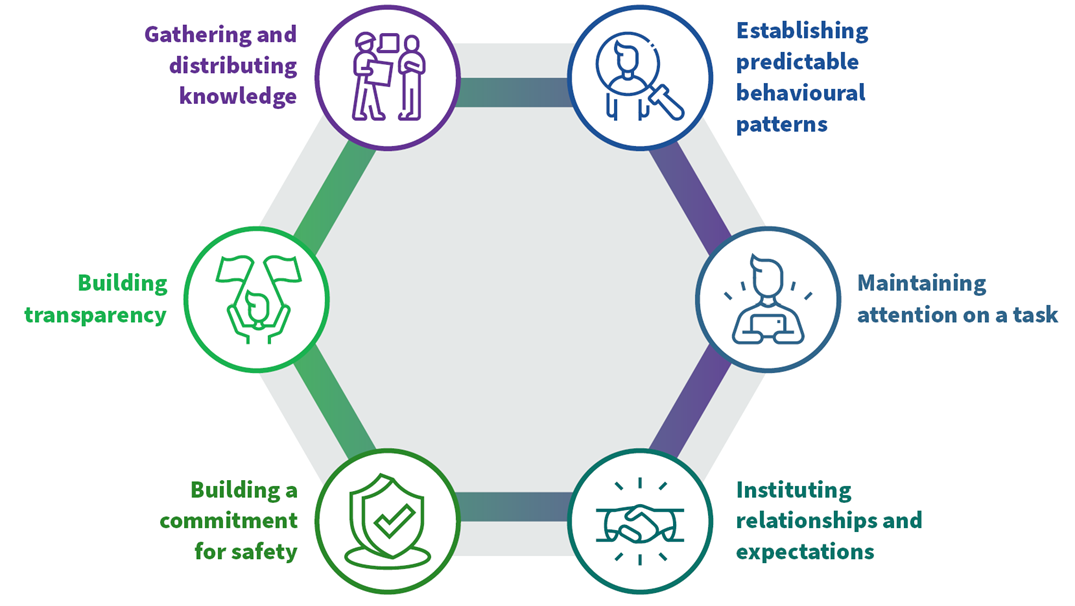
Communication is the interdependent exchange of information between parties, through speaking, writing, reading, listening, and remotely

Figure 8: Good communication ensures a focus on safety, resulting in these outcomes

Effective communication can be a management aid for achieving shared meaning and driving safe performance. Ineffective communication can degrade safety by increasing the frequency and severity of errors. The effectiveness of communication depends on characteristics of the sender (e.g. clarity of message), characteristics of the receiver (e.g. receptiveness), and noise (e.g. distractions).
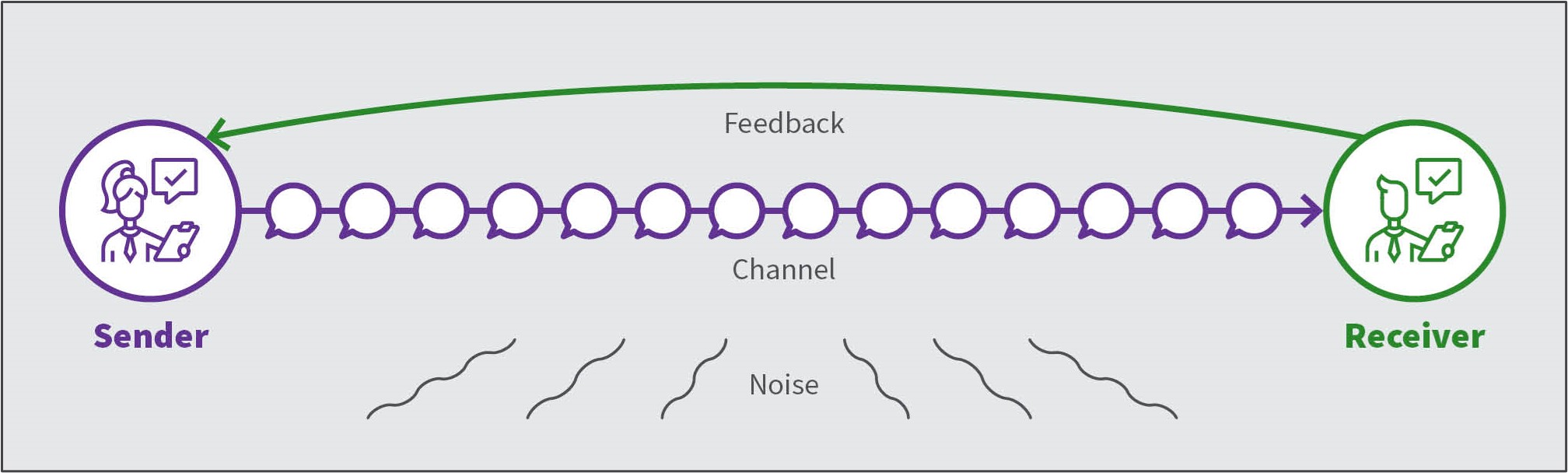
Effective communication is key to achieving shared meaning

Figure 9: Effective communication is key to achieving shared meaning

Licence holders should demonstrate:
  • a shared understanding of the benefits of effective communication and the risks of inadequate communication on safety and security
  • a shared understanding across the workforce of the barriers to effective communication, including types of communication errors and how to avoid them
  • free flowing information across the organisation and with regulators, that builds transparency for internal and external stakeholders
  • communication channels which facilitate flow of information upwards (from staff up to leaders), downwards (from leaders down to staff), and sideways (between those at the same level)
  • mechanisms for verifying that the message communicated has been interpreted as intended
  • dedicated communication channels for contractors, with regular communication to and from contractors
  • availability of different communication methods, tools and modes of delivery, and an understanding of the strengths and limitations of each
  • established systems, processes and policies that support effective internal and external communication
  • training on the non-technical skill of communication


This factor is relevant to:Reference:
POCs(F)C5.1, C5.3, C10.4, C11.14, C12.3, C21.5
GSR Part 24.7a, 4.7b, 5.2c                                                                                                                                                                                                            
HSCMCO., CL.3
AUS/INT STDsAS/NZS 45001:2018 7.4

Team Dynamics

Teams are groups of individuals, guided by a leader, working interdependently towards a common goal. The personal qualities, behaviours, styles and strategies adopted by both the individuals and the leader of a team influence safety. Leaders set the tone for safety by influencing norms, deciding on action, and allocating resources. This includes the leadership demonstrated by those outside of technical areas, as their example and decisions still impact upon safety. For example, a budgetary decision made by the CFO may apply a financial constraint that impacts the safety of work.

Groups that demonstrate good team dynamics can better adapt to adversity and solve more complex problems, thus supporting safety. 

Licence holders should demonstrate:
  • systems, policies, processes and procedures that support effective leadership and teamwork
  • a shared understanding across the workforce of individual and group characteristics that influence team dynamics, including leadership
  • a shared understanding across the workforce of the risks of inadequate leadership and teamwork and the benefits of effective leadership and teamwork on safety and security
  • that staff are aware of their individual role/responsibility within teams, especially leaders
  • that teams work effectively without diminishing the questioning attitude of individuals
  • training on the non-technical skill of leadership and teamwork


This factor is relevant to:Reference:
POCs(F)C5.3, C6.2, C12.2, C12.3, C15.4
GSR Part 25.2a, 5.2c                                                                                                                                                                                                                       
HSCMIR., CL.3, CL.4
AUS/INT STDsAS/NZS 45001:2018 5.4

Safety culture

Safety culture is the assembly of values, attitudes, and behaviour of individuals that result in and from a collective commitment to safety. This commitment establishes safety as the overriding priority within an organisation [26, 47].

Leadership for safety

Leadership significantly influences the safety culture of an organisation. The more senior a leader, the greater their influence on culture. This influence is exerted through the policies they enact, the example they set, and the expectations they place on their staff. ‘Leadership for safety’ acknowledges the considerable role of leaders in shaping culture and outlines the approach that should be adopted to demonstrate that safety is the top priority.
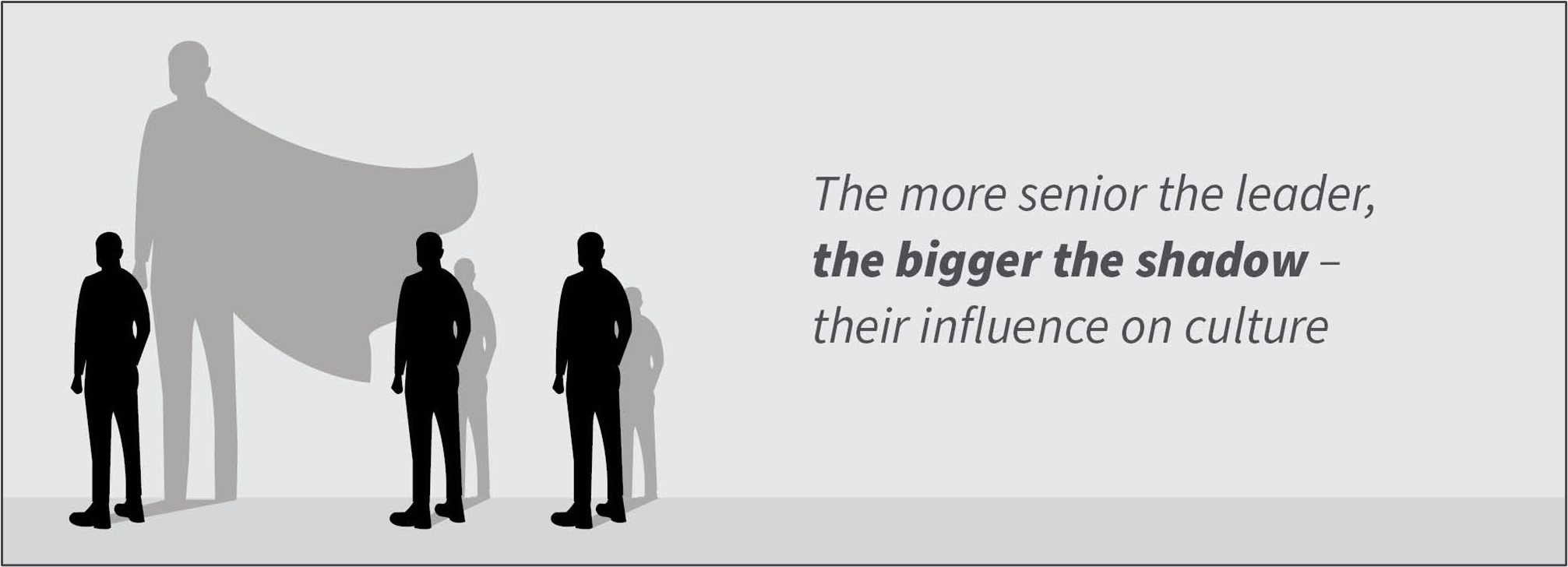
A visual representation illustrating the greater influence of more senior leaders in an organisation

Figure 11: A visual representation illustrating the greater influence of more senior leaders in an organisation

Leadership for safety comprises:

  1. commitment to safety as a value
  2. responsibility and accountability
  3. communication, engagement and oversight.

Commitment to safety as a value

Leaders should hold, demonstrate, and institutionalise a strong commitment to safety as a core organisational value. 

Licence holders should demonstrate:
  • setting a good example for safety by role modelling safe behaviour and reinforcing safety as the overriding priority
  • commitment to ensuring safety including both proactive and reactive involvement from all levels of leadership
  • commitment to safety is reflected in all decisions, statements and actions, and not just on paper                                                                        

Responsibility and accountability

It is important for leaders to understand, establish and adhere to their safety responsibilities and accountabilities.

Licence holders should demonstrate:
  • that authority, roles and responsibilities for safety are specific, well-defined and well-understood
  • that ultimate responsibility and accountability for safety lies collectively with the CEO, or equivalent, of the licence holder and the senior management team of the licence holder
  • the conditions necessary for safe operation, including that resources have been appropriately planned and dedicated, and that rewards and sanctions are appropriately distributed
  • strategic, long-term alignment between organisational policies and safety goals, ensuring they are measurable and periodically reviewed
  • single points of accountability within senior leadership for each activity, group and work area

Communication, engagement and oversight

Leaders shall engage and communicate across their organisation and ensure adequate safety oversight. 

Licence holders should demonstrate:
  • open, candid and free flowing communication, where information is shared both vertically and horizontally
  • regular communication of decisions and actions that impact on safety, and the rationale behind them. Communication on change is particularly important
  • active involvement and engagement with individuals across the organisation to improve safety.
  • receptiveness to feedback and constructive criticism from across the organisation
  • visible engagement with the workforce (e.g. field presence), which includes asking questions, reinforcing expectations and maintaining one’s own situation awareness
  • an environment where lessons learnt are systematically shared and integrated across the organisation, preventing the formation of silos
  • that trust is cultivated across the organisation, and everyone is treated with dignity, respect and openness
  • informed questioning and strong oversight on safety matters
  • recognition, encouragement and rewarding of behaviour that promotes safety, and coaching or sanctioning of behaviour that may hinder safety
  • that an independent safety group is established, with real powers to investigate and intervene, reporting directly to the CEO


This factor is relevant to:Reference:
POCs(F)C1.1, C1.5, C1.6, C2.1, C2.2, C2.3, C2.5, C5.1, C5.4, C8.2, C10.6, C36 
GSR Part 2

Requirements 1, 2, 3, and 4

4.7, 4.16, 4.25, 4.33, 5.2a, 5.2c, 6.4, 6.5, 6.10, 6.11

HSCMLR, DM. 3, WE.3, RC.1                                                                                                                                                                                              

Individual responsibility

All individuals have a responsibility for safety, for both themselves and others. Individuals should feel a sense of ownership in knowing their safety responsibilities and striving to fulfil them.

Licence holders should demonstrate:
  • safety responsibilities and expectations for each role are specific, well-defined and well-understood by all individuals
  • individuals have a strong sense of personal ownership for safety, and share learnings with others when necessary
  • individuals adhere to set policies, procedures, processes and practices, particularly those relating to safety
  • a culture that empowers staff to not report for duty if they believe themselves to be unfit
  • individuals are responsible for collaboration and transparent communication across the organisation. This includes valuing diverse perspectives to safety and sharing safety lessons
  • individuals understand their expectations for the reporting of safety events and the subsequent updating of procedures and practices


This factor is relevant to:Reference:                                                                                                                                                                                                                  
POCs(F)C1.1, C1.2, C1.6, C8.2, C21.2
GSR Part 23.1d, 3.2, 3.3, 4.25, 4.26, 5.2b
HSCMIR. WE.2

Values and behaviour

A safe organisation will, at all levels, possess shared values and beliefs for safety. These values and beliefs produce and inform behavioural norms, which provide appropriate attention to safety and its prioritisation over competing goals.

Licence holders should demonstrate:
  • safety is the top priority for all individuals
  • safety and production are seen to go hand in hand
  • respect, trust and honesty are valued and cultivated
  • an understanding (especially by leadership) of the impact of incentives/KPIs on the prioritisation of safety
  • formal and informal reinforcement of safety values and behaviour                                                                                                                                


This factor is relevant to:Reference:
POCs(F)C2.2, C2.3, C8.1, C21.16                                                                                                                                                                                   
GSR Part 23.1, 3.2b, 5.1, 5.2                                                                                                                                               
HSCMLR.1, LR.6, WE. 

Questioning attitude

A ‘questioning attitude’ is one where individuals are able and encouraged to question their work and working environment. This requires individuals to avoid complacency, remain vigilant, and voice concern even when the concern seems minor. This supports safety by identifying potential risks and taking action.

Licence holders should demonstrate:
  • that a questioning attitude is adopted, encouraged and enabled across the organisation
  • that individuals are encouraged and enabled to offer different perspectives regarding safety, e.g. formal and informal systems for feedback and concerns
  • that individuals understand the unique risks associated with their work, including potential safety implications
  • that individuals are enabled to stop work when uncertain of the risks, and to seek advice before proceeding
  • that individuals remain vigilant and avoid complacency


This factor is relevant to:Reference:
POCs(F)C10.8                                                                                                                                                                                                                              
GSR Part 23.2c, 5.2e
HSCMQA., RC. 

Just culture and fairness

A ‘just culture’ is one that acknowledges that errors are inevitable. Errors reflect a wider system of failures rather than a failure of the individual. A just culture balances safety and accountability (Dekker, 2007) by fairly distributing rewards and sanctions. Individuals are encouraged to continue reporting issues, even when linked to their own actions. This satisfies the need for accountability and provides an opportunity for learning and improvement. 

Fairness requires a consistent approach to be taken in the rewarding, sanctioning and general treatment of all staff. This is key to building a just culture.

Licence holders should demonstrate:
  • a shared understanding across the workforce of just culture and fairness, and how it impacts safety.
  • an approach of ‘just culture’ across the organisation.
  • policies upholding individuals’ rights for fair and confidential treatment, including intolerance of harassment, intimidation, retaliation or discrimination for raising safety concerns.
  • fairness in rewarding and sanctioning actions that is consistent across all individuals.
  • fairness in resolving conflicts, in a timely manner


This factor is relevant to:Reference:
POCs(F)                                                                                                            C10.3                                                                                                                                                         
HSCMLR.6, WE., RC.

Management systems

A comprehensive definition of management systems can be found in ARPANSA’s Regulatory Guide - Plans and arrangements for managing safety (ARPANSA-GDE-1735). Management systems are relevant to holistic safety due to their ability to influence an organisation’s safety culture, and for this safety culture to influence management systems in return. Management systems are the key location of the information required to conduct work safely. 

Procedure management

Procedure management refers to the foundational role of documented procedures in supporting safety. When properly implemented, these procedures offer a consistent, risk-assessed approach to work. Procedures that accurately reflect work-as-done, and are adhered to, contribute meaningfully to achieving safety objectives. Importantly, effective procedure management requires the support of underlying policies and processes, as well as good document management practices. Good oversight over, and periodic updates of, documents including creation, maintenance, management, and use of documents can safeguard against risks to safety.

Licence holders should demonstrate:
  • processes and procedures, particularly those impacting safety, are well-documented, precise, logical and readily available
  • routine reviews and updates of documented processes and procedures, ensuring that they reflect work ‘as done’ and optimise safety
  • a consultative approach to the design, development, documentation, and evaluation of processes and procedures
  • clear ownership of procedures, policies and underlying documentation
  • retention of records over time to support knowledge management and operational longevity
  • that risk assessments are conducted and reviewed for all procedures
  • that adherence expectations are established and systems for monitoring adherence are implemented
  • that the design of processes and procedures considers the human operator undertaking each stage of that process/procedure, including human reliability
  • quality assurance measures which verify that procedures are consistent, readable, current, and version controlled
  • consideration of the interaction of a given process or procedure with another
  • consideration of the information that needs to be communicated between different groups related to processes and procedures
  • that where there is deviation from procedures, the deviations are reported, risks are assessed and procedures updated


This factor is relevant to:Reference:
ARPANS Regulationss76, s81
POCs(F)                                                                                                                    C6.2, C7, C8.3, C12.20, C17.3, C18, C19.3, C20.5, C33.1, C33.10
GSR Part 24.28, 4.29, 4.32, 6.2, 6.3, Requirement 8 and 10
HSCMWP.3
AUS/INT STDsISO 9001:2015
IBPARPANSA Regulatory Guide - Plans and arrangements for managing safety

Change management 

Change management is the process of undertaking change in a systematic and methodical way. Good change management maintains safety throughout all phases of the change. A typical change management process involves the following steps: 
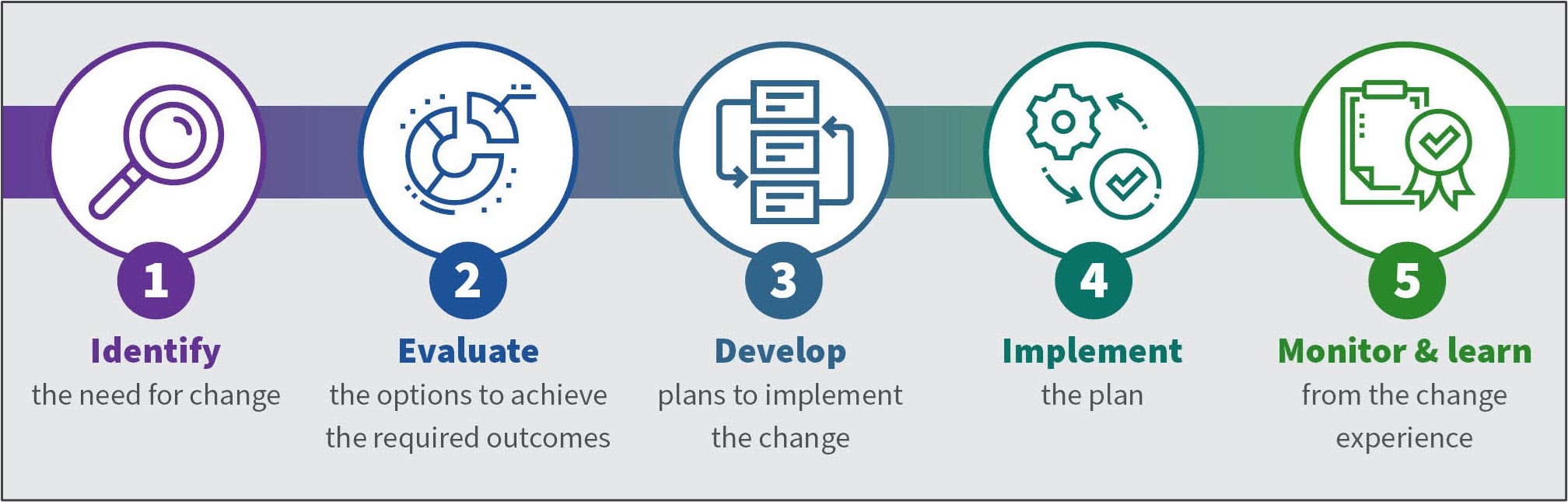
The change management process

Figure 10: The change management process

These steps should be followed diligently to ensure that changes have no detrimental effects on safety. 

Where a change has significant implications for safety, licence holders require prior approval from the CEO of ARPANSA under section 63 of the Regulations. Thresholds for when and how to seek approval can be found within ARPANSA’s Regulatory Guide - When to seek approval to make a change with significant implications for safety (ARPANSA-GDE-1751).

Licence holders should demonstrate:
  • that changes are adequately justified
  • that the method chosen for conducting a change is selected as the best from a range of possible options
  • a systematic, transparent and rigorous change management process, applied to all types of change, including assessment of the cumulative impact of multiple changes. The rigour of this process should be proportionate to the significance of the change
  • a clear and well-communicated change management policy that prioritises safety
  • adequate resourcing to support and manage change. This includes resourcing for retraining where necessary
  • regular reviews of change as it progresses, and action taken to address any issues identified
  • the presence and use of mechanisms for communicating and capturing the outcomes of changes. This includes communicating these outcomes with the regulator


This factor is relevant to:Reference:
ARPANS Regulations                                                                                                                                                                                                          s61(2), 63
POCs(F)C6.3, C11
GSR Part 24.13
HSCMLR.4, LR.7, CL.3
IBPIAEA-TECDOC-1226

Project management

Project management is the application of knowledge, skills, tools and techniques, to plan activities that meet the needs of a project. A project typically spans 5 phases: 
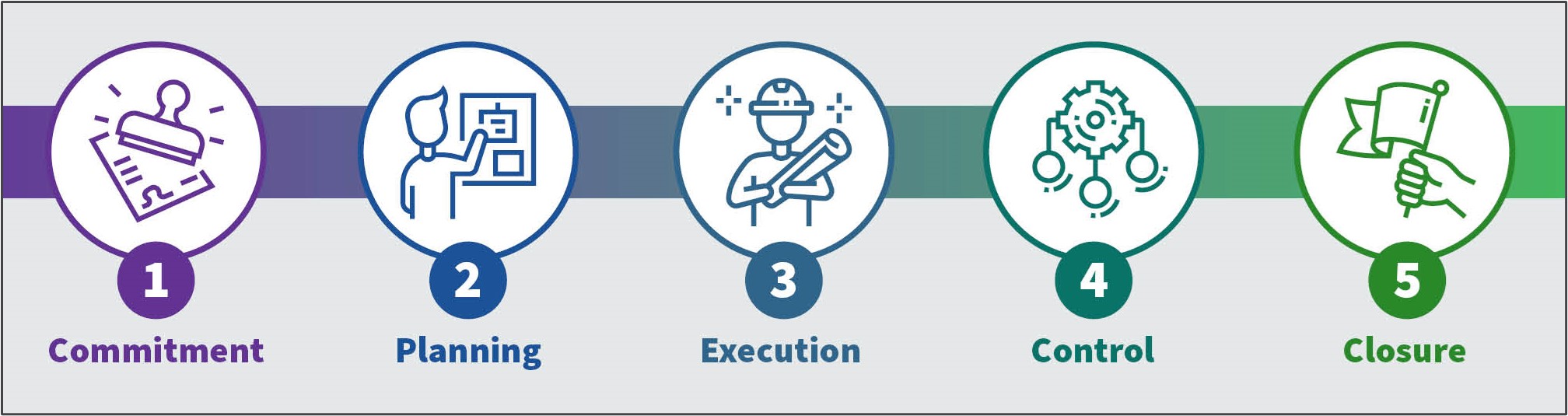
Project timeline

Figure 11: The typical timeline of a project

Managing safety is an integral part of project management and interacts with all phases of the project lifecycle. Making safety considerations early in the project planning phase may offer the greatest protection to safety outcomes. 

Licence holders should demonstrate:
  • projects are planned, communicated and implemented in a manner that promotes safety
  • projects manage risks (both planned and unexpected), including identification, analysis, response planning, monitoring and control
  • project documents are clear on the roles and responsibilities of project team members, including their safety responsibilities and accountabilities
  • projects managed externally remain aligned with the organisation’s safety standards, and ultimate accountability for safety remains with CEO, or equivalent, of the licence holder and the senior management team of the licence holder


This factor is relevant to:Reference:
POCs(F)                                                                                                                                                                                                                                         C1.1, C6.4, C8.3, C9.1

Contractor management

Calling upon the expertise of external service providers is often necessary. However, the use of contractors (incl. consultants) can introduce safety risks when improperly managed. Having a robust contractor management system can help mitigate these risks. This system should put in place arrangements that specify, monitor, and manage contractors in a way that aligns with the safety standards of the organisation.

Licence holders should demonstrate:
  • characteristics of an ‘intelligent customer’ in the use of contractors, ensuring the organisation is not adversely impacted in its ability to manage safety
  • a contractor management system that specifies, monitors and manages contractors according to set safety standards
  • policies, processes, procedures and practices (especially those regarding safety) extend to contractors
  • clear documentation and communication of the safety responsibilities of contractors, whilst acknowledging that ultimate responsibility for safety is retained by the licence holder


This factor is relevant to:Reference:
POCs(F)C1.4, C1.5, C1.6, C5.1, C7.3, C21.6
GSR Part 2Requirement 11

Chapter 4: Systemic factors

This category addresses broader factors which should be integrated into all systems across an organisation. The absence of these factors may signal an incomplete or potentially unsafe organisational system.

Resilience

Resilience refers to a set of abilities that enable a system to maintain or regain a safe and stable state. Systems achieve this by adjusting themselves before, during or after an event, and continuing to operate safely in both expected and unexpected conditions.

A resilient system is one which has the ability to respond, monitor, learn and anticipate (Hollnagel, 2010)
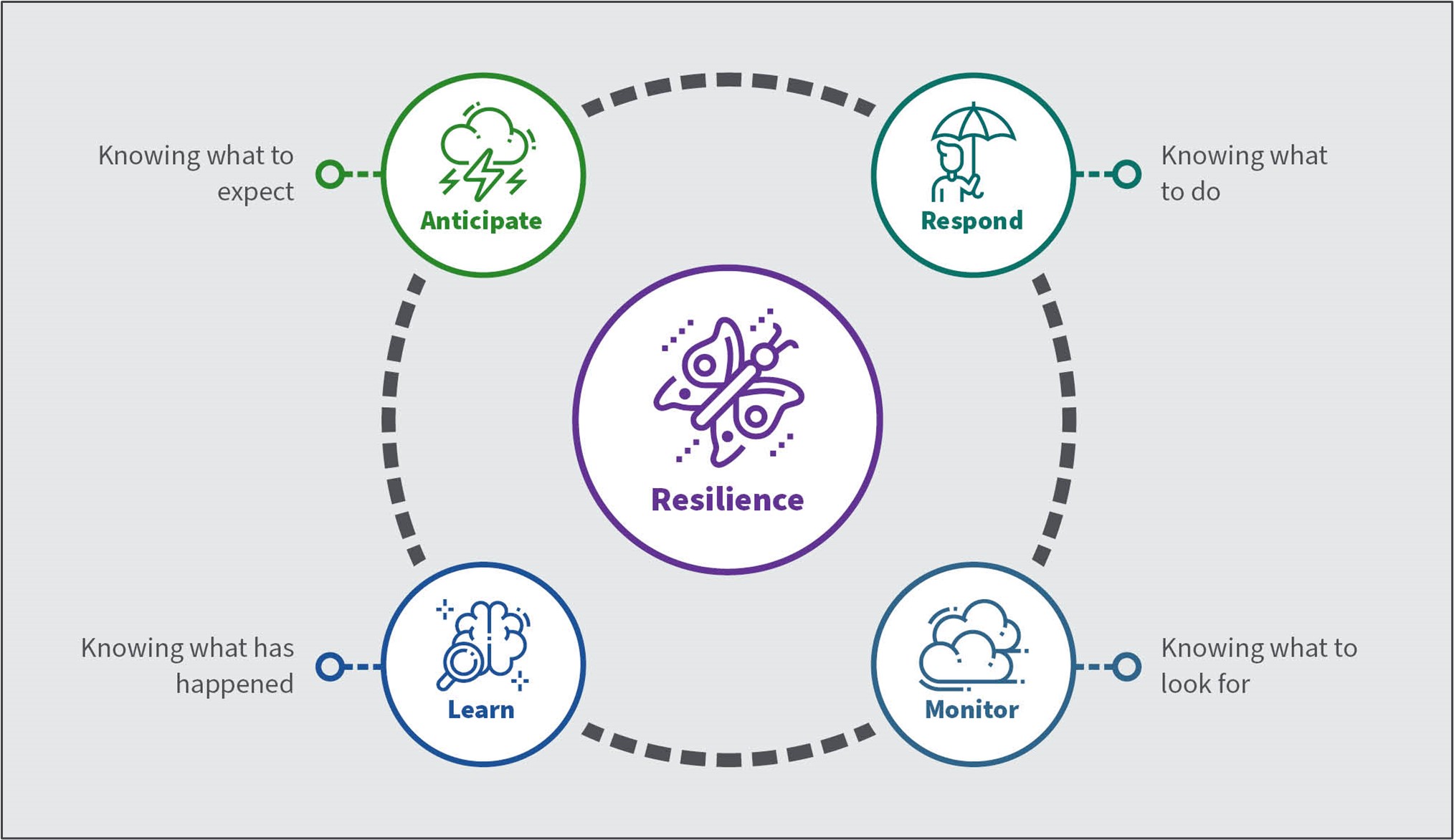
 strong resilience

Figure 12: The abilities which enable strong resilience

The ability to respond

The ability to respond involves taking appropriate action to maintain or regain a safe and stable system state. This requires individuals to know what to do to adjust to both expected and unexpected conditions, including when to enact planned actions.

Licence holders should demonstrate:
  • regular appraisals of their systems to identify potential deviations that may lead to changes to the safety and stability of a system, including human factors
  • that individuals are equipped with the capability to respond to any deviations (both expected and unexpected) and to return the system to safe and stable operations
  • response capabilities and readiness are maintained for both emergency and non-emergency scenarios

The ability to monitor

The ability to monitor involves identifying and keeping track of indicators that help determine the safety and stability of a system. This includes indicators which both positively and negatively impact upon safety. Importantly, a long-term approach to monitoring is crucial, particularly in recognising slow, incremental changes that could have significant safety implications over time (i.e. drift; Dekker, 2011).

Licence holders should demonstrate:
  • a regularly updated and validated list of indicators relevant to monitoring the status of systems, including human factors
  • routine monitoring of indicators, ensuring they are tracked, trended, evaluated and acted upon in a timely manner
  • methods for identifying and managing factors that may impact the fitness for duty of the workforce
  • active monitoring of long-term trends, including the incremental cutting back of safety margins and resources
  • active monitoring and evaluation of remedial actions, including mechanisms for feeding back this information into a cycle for continuous improvement
  • that quantitative assessments and analyses, including of human reliability, use values derived using verified, transparent methods that avoid subjective judgements
  • that qualitative assessments, analysis and arguments establish clear criteria and apply consistent methods so as to avoid subjective judgements
  • comparative assessments which benchmark the organisation against equivalent (national or international) organisations

The ability to learn

The ability to learn involves taking stock of past events, generating insights and lessons learnt, and understanding and leveraging these lessons to improve systems. The effectiveness of learning is impacted by which events are captured, how well they are analysed, and how meaningful the derived lessons are.

Licence holders should demonstrate:
  • clear and systematic principles to determine which events to investigate (including near-misses)
  • sufficiency in resourcing to facilitate data collection, analysis and learning
  • integration of lessons learnt (of both what did and did not go well) to drive improvements in safety
  • learning that is effective, timely, continuous and shared across the organisation
  • learning facilitated by both internal self-assessments and, where appropriate, external assessments

The ability to anticipate

The ability to anticipate involves forecasting for potential events, conditions, threats or opportunities that may either benefit or hinder the safety and stability of systems. Furthermore, it involves making plans and preparations to address them.

Licence holders should demonstrate:
  • systems and arrangements (including resources) dedicated to the role of anticipating future safety challenges
  • regular reviews of potential future events that may impact upon safety, including human factors
  • appropriate communication of anticipated future events and their safety impact to the wider organisation
  • developed plans and arrangements that address anticipated future events


This factor is relevant to:Reference:
ARPANS Regulationss57B, s58, s61
POCs(F)C6.1, C7.1, C7.2, C8.1, C9.4, C10, C11.1, C13, C14.5, C20, C22, C32.5, C32.21, C32.22, O7, O8
GSR Part 25.2(e), Requirement 13 and 14
HSCMDM.4, WP.2, PI.
IBPIAEA GSR Part 7 Emergency Preparedness and Response

Hierarchy of Controls

The Hierarchy of Controls (HoC) is a sequential approach to managing risk, arranged from most to least effective. Employing the highest level of control (elimination) is desirable and encouraged. However, this may not always be practicable. In this case, subsequent levels of control should be implemented. Effective protection will often involve the deployment of multiple controls across the hierarchy, with resources prioritised for controls higher in the hierarchy (e.g. engineering controls such as interlocks must be supported by maintenance and inspections procedures to effectively manage safety). 

Selecting which controls to deploy will require a thorough understanding of the people performing the work, the technologies they use, and the environment within which they operate. Importantly, controls must be visible and well understood by workers to be effective. Otherwise, they are routinely violated and often fail.
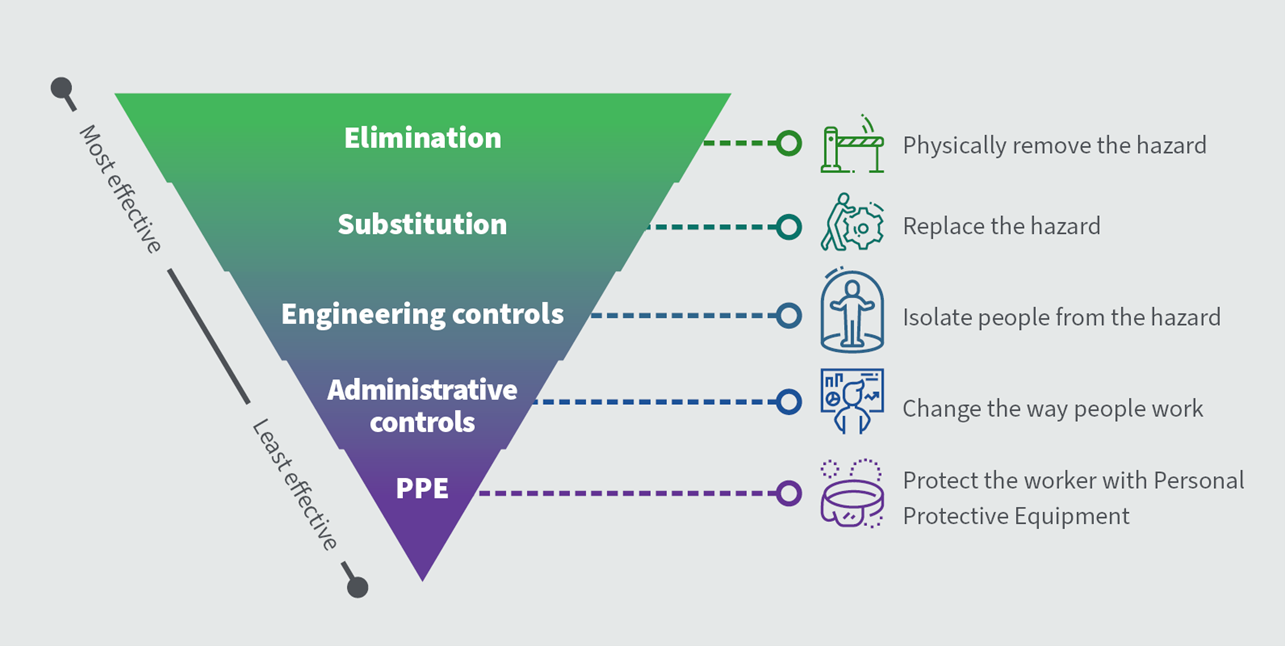
The hierarchy of controls demonstrates the various ways in which risk can be mitigated

Figure 13: The hierarchy of controls demonstrates the various ways in which risk can be mitigated

Licence holders should demonstrate:
  • robust assessments that identify hazards across the organisation
  • processes for determining controls including the consideration of multiple options
  • justification for the controls selected, including combinations of controls across the hierarchy
  • appreciation for human aspects when selecting, designing, implementing and maintaining controls
  • implementation of controls and that they are being used effectively across the organisation
  • that workers are aware of, and understand, the controls that are in place and what they protect against
  • routine evaluations of the effectiveness of controls, and action taken to address outcomes


This factor is relevant to:Reference:
POCs(F)                                                                                                                                C6.3, C9.1, C9.5, C13.10, C17.1, C19, C37.1
AUS/INT STDsISO 45001:2018

User-centred design

User-centred design (UCD) places the end user at the centre of the design process. This helps designers understand (and design to) the needs of the end user, the work they do, and their work environment. Safety can degrade when design does not appropriately account for the real-life use cases of end users. For example, having touchscreen equipment in a lab where workers are wearing protective gloves, rendering the touchscreen unusable. UCD addresses this by encouraging users to participate in the design process upfront, thus helping protect systems from the threats of traditional design methods. 

Licence holders should demonstrate:
  • a shared understanding across the workforce of the principles of good and poor UCD, and their implications for safety
  • application of UCD principles in the design of systems, equipment, tools, tasks and the physical work environment
  • application of inclusive design practices within a UCD approach
  • regular reviews of systems to ensure they remain user-centred and meet the current needs of end users


This factor is relevant to:Reference:
POCs(F)C6.2, C7.1, C17.2, C17.3, C21.10
GSR Part 22.2a, 2.2b, 5.2d
AUS/INT STDsISO 9241-220:2019

Security

Security is an essential part of safety, where any controlled source, apparatus or facility can only be considered safe if it is also secure.

Security Integration

Security concerns the implementation of systems and a culture which supports:
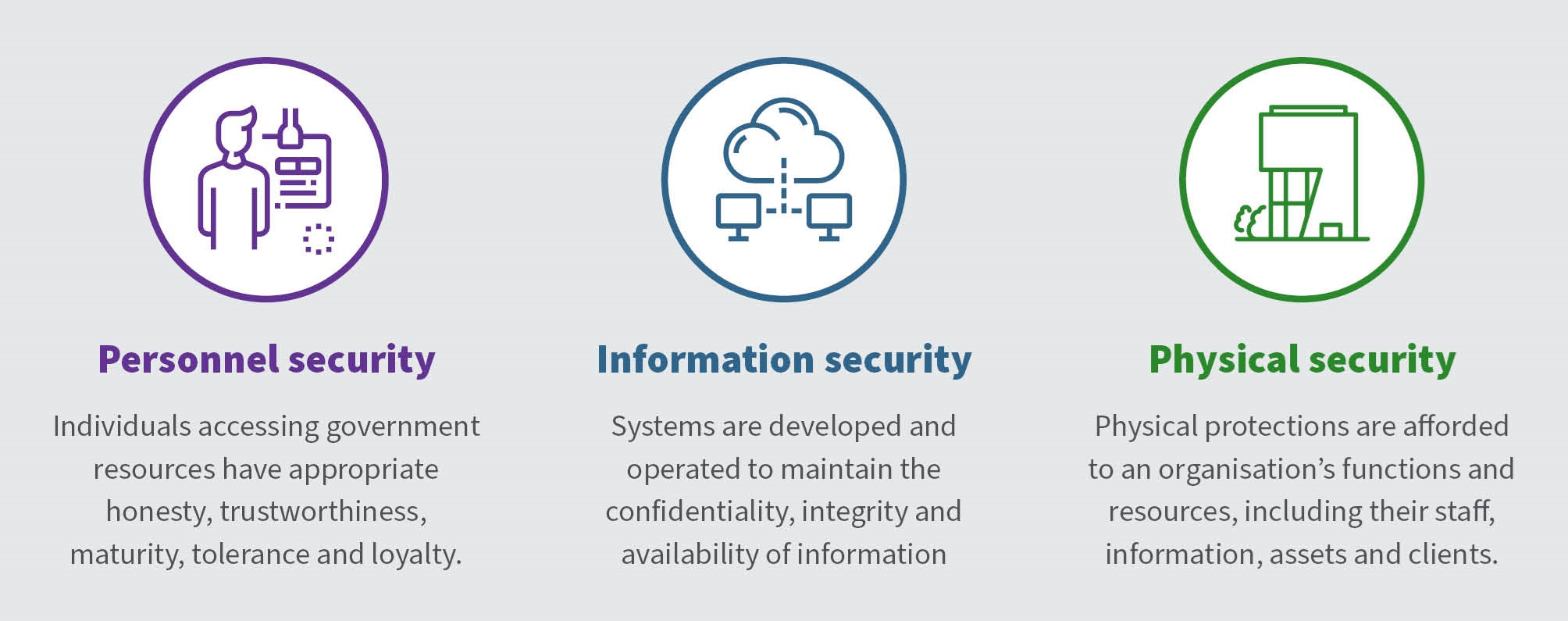
Security Integration

The common aim for these different forms of security is to mitigate the potential harm caused intentionally by bad actors, or inadvertently by good actors, to themselves or others.

Nuclear Security Culture

Nuclear security culture refers to the assembly of characteristics, attitudes and behaviours of individuals, organisations and institutions, which serve to support and enhance nuclear security. Whilst safety culture and security culture share common goals, security culture places additional emphasis on deliberate acts that are intended to cause harm. For this reason, a different set of attitudes and behaviour are required to establish a good security culture.

Safety-Security Intersection

At times, safety and security may be competing priorities. To ensure safety remains the overriding priority, without jeopardising security, it is important to understand and manage where safety and security intersect. 

Licence holders should demonstrate:
  • consideration and integration of security in policies, processes, procedures and practices, without negatively impacting safety
  • effective security measures to meet the requirements of personnel security, including in recruitment
  • effective security measures to meet the requirements of information security
  • effective security measures to meet the requirements of physical security
  • a strong security culture that is supported by all individuals and leadership, with appreciation for the different focuses of safety and security culture
  • identification and management of the intersecting priorities of safety and security


This factor is relevant to:Reference:
ARPANS Regulationss57c
POCs(F)                                                                                                                                                                                                          C1.6, C2.2, C4.1, C10.2, C29, O6
GSR Part 24.10, 4.15b, 5.2h
HSCMPI.1
IBPARPANSA RPS No. 11

For more information, see ARPANSA’s Radiation Protection Series No. 11 Code of Practice for the Security of Radioactive Sources (2019) and the Plans and Arrangements for Managing Safety Regulatory Guide.


Glossary

Note: Definitions for each factor included in this Guide are provided at the beginning of their respective sections.


Accountability

Being answerable for safety outcomes due to holding ownership over a system and its risks.

Contractor

A worker who is external to the licence holder’s organisation, but who performs work on behalf of the licence holder.

Constraint

Any system element that imposes limits on other parts of the system. These limits could be on resourcing, finances, time, radiation dose, etc.

Continuous improvement

The ongoing process of identifying, analysing, and making incremental improvements to systems, processes, procedures, and practices. 

Control

An element of, or change in, design which intends to eliminate or mitigate the risk of adverse events.

Coupling 

The degree of interdependence that exists between system elements. Tight coupling between system elements may allow for cascading failures through the system. Loose coupling may reduce control over the system.

Graded approach

An approach where the scale of actions taken is proportional to the significance of the risk

Holistic safety/holistic approach

A best-practice approach which considers technical, human and organisational factors, including how factors interact and the relationships between them.

Incidents, near misses and deviations 

Incident - the Regulations state that an “incident means:

(a) any unintended event, including an operating error, equipment failure, initiating event, accident precursor, near miss or other mishap; or

(b) any unauthorised act, whether or not malicious;

the consequences or potential consequences of which are not negligible.”

Near miss - an incident in which no harm was done to individuals or the environment, but where these consequences were narrowly avoided due to controls failing, or not being present.

Deviation - Any circumstance which results in a departure from normal conditions. A deviation may or may not result in an incident. For example, an authorised departure from procedure which results in no adverse consequences is still considered a deviation.

Heuristics

Mental short-cuts or rules of thumb which are less cognitively demanding but may oversimply a situation or event.

Intelligent Customer

The capability of the organization to have a clear understanding and knowledge of the product or service being supplied. The ‘intelligent customer’ concept relates mainly to a capability required of organizations when using contractors or external expert support.

Management system

The systems, tools and processes that allow for effective record-keeping, information availability and quality assurance, particularly during periods of development and change.

Performance

The extent to which a person is capable of carrying out a task or process safely and successfully.

Safety

Safety is the ability to perform work in varying, unpredictable environments without causing harm. This is demonstrated by the presence of defences, not the absence of accidents. 

System

A set of dynamically interacting elements. These elements include technologies, organisational structures and people.

This guide refers to multiple systems.

Systems-thinking

An approach which considers systems as a whole and emphasises the interactions and relationships between elements of the system. This often involves the consideration of a hierarchy which groups system elements in to work design, frontline staff, management, the organisation, and external elements (including government, regulators and the public).

Work-as-done

The way in which work is actually performed, rather than the way it is expected to be done when planning (work-as-planned).
 

References

Australasian Faculty of Occupation and Environmental Medicine. (2011). Australian Consensus Statement on the Health Benefits of Work. Retrieved from https://www.acrrm.org.au/docs/default-source/all-files/aust-consensus-s…

Australian Government Department of Industry, Science and Resources. (2024). Voluntary AI Safety Standard. Retrieved from https://www.industry.gov.au/sites/default/files/2024-09/voluntary-ai-sa…

Australian Radaition Protection and Nuclear Safety Agency. (2019). Radiation Protection Series No. 11: Code of practice for the security of radioactive sources. Retrieved from https://www.arpansa.gov.au/sites/default/files/rps11.pdf

Australian Radaition Protection and Nuclear Safety Agency. (2019). Safety Culture Assessments. Retrieved from https://www.arpansa.gov.au/regulation-and-licensing/regulation/regulato…

Australian Radaition Protection and Nuclear Safety Agency. (2023). Regulatory Guide - Plans and arrangements for managing safety (ARPANSA-GDE-1735). Retrieved from https://www.arpansa.gov.au/regulation-and-licensing/licensing/informati…

Australian Radaition Protection and Nuclear Safety Agency. (2024). Regulatory Guide - When to seek approval to make a change with significant implications for safety (ARPANSA-GDE-1751). Retrieved from https://www.arpansa.gov.au/regulation-and-licensing/licensing/informati…

Australian Radiation Protection and Nuclear Safety Act 1998 (Cth).

Australian Radiation Protection and Nuclear Safety Regulations 2018 (Cth).

Badri, A., Gbodossou, A., & Nadeau, S. (2012). Occupational health and safety risks: Towards the integration into project management. Safety Science, 50(2), 190-198. doi:https://doi.org/10.1016/j.ssci.2011.08.008

Civil Aviation Safety Authority Australia. (2013). Safety behaviours: Human factors resource guide for engineers. Retrieved from https://www.casa.gov.au/sites/default/files/2021-06/safety-behaviours-h…

Conklin, T. (2012). Pre-accident investigations: an introduction to organizational safety. Ashgate.

Dekker, S. (2007). Just Culture. Ashgate Publishing Company.

Dekker, S. (2011). Drift into failure. Ashgate.

Embrey, D. (2005). Understanding human behaviour and error. Retrieved from https://mail.humanreliability.com/articles/Understanding%20Human%20Beha…

Endsley, M. (2015). Situation Awareness Misconceptions and Misunderstandings. Journal of Cognitive Engineering and Decision Making, 4-32. doi:10.1177/1555343415572631

Flin, R., O'Connor, P., & Crichton, M. (2008). Safety at the sharp end: A guide to non-technical skills. CRC Press. doi:https://doi.org/10.1201/9781315607467

Hollnagel, E. (2010). Resilience engineering in practice: a guidebook. Ashgate.

Interantional Atomic Energy Agency. (2016). Leadership and Management for Safety - General safety requirements No. GSR Part 2. Retrieved from https://www-pub.iaea.org/MTCD/Publications/PDF/Pub1750web.pdf

Interantional Atomic Energy Agency. (2016). Performing safety culture self-assessments - Safety report series No. 83. Retrieved from https://www-pub.iaea.org/MTCD/Publications/PDF/Pub1682_web.pdf

Interantional Atomic Energy Agency. (2020). A Harmonized Safety Culture Model. Retrieved from https://www.iaea.org/sites/default/files/20/05/harmonization_05_05_2020…

Internationa Organization for Standardization. (2016). Ergonomics principles in the design of work systems. (ISO 6385:2016). Retrieved from https://www.iso.org/standard/63785.html

International Atomic Energy Agency. (1991). Safety culture. Safety series No,75-INSAG-4. Retrieved from https://www-pub.iaea.org/MTCD/Publications/PDF/Pub882_web.pdf

International Atomic Energy Agency. (1996). Defence in depth in nuclear safety - INSAG-10. Retrieved from https://www-pub.iaea.org/MTCD/Publications/PDF/Pub1013e_web.pdf

International Atomic Energy Agency. (2002). Key practical issues in strengthening safety culture - INSAG-15. Retrieved from https://www-pub.iaea.org/MTCD/Publications/PDF/Pub1137_scr.pdf

International Atomic Energy Agency. (2014). Managing organizational change in nuclear organizations. Retrieved from https://www-pub.iaea.org/MTCD/Publications/PDF/Pub1603Web-32823532.pdf

International Atomic Energy Agency. (2016). Safety of nuclear plants: Commissioning and operation. Specific Safety Requirements No. SSR-2/2. Retrieved from https://www-pub.iaea.org/MTCD/Publications/PDF/Pub1716web-18398071.pdf

International Atomic Energy Agency. (2018). Organization, management and staffing of the regulatory body for safety - General safety guide No. GSG-12. Retrieved from https://www-pub.iaea.org/MTCD/Publications/PDF/P1801_web.pdf

International Atomic Energy Agency. (2018). Organization, management and staffing of the regulatory body for safety - General Safety Guide No. GSG-12. Retrieved from https://www-pub.iaea.org/MTCD/Publications/PDF/P1801_web.pdf

International Atomic Energy Agency. (2020). Assessing behavioural competencies of employees in nuclear facilities. Retrieved from https://www.iaea.org/publications/14694/assessing-behavioural-competenc…

International Atomic Energy Agency. (2020). Assuring the competence of nuclear power plant contractor personnel - IAEA-TECDOC-1232/Rev.1. Retrieved from https://www-pub.iaea.org/MTCD/Publications/PDF/TE-1232_Rev1_web.pdf

International Atomic Energy Agency. (2023). The operating organization and the recruitment, training and qualification of personnel for research reactors - Specific safety fuide No. SSG-84. Retrieved from https://www-pub.iaea.org/MTCD/Publications/PDF/PUB2048_web.pdf

International Organanization for Standardization. (2015). Quality management systems - requirements. (ISO 9001:2015). Retrieved from https://www.iso.org/standard/62085.html

International Organization for Standardization. (2004). Ergonomic prinicples related to mental workload. Part 3: Principles and requirements concerning methods for measuring and assessing mental workload. (ISO 10075-3:2004). Retrieved from https://www.iso.org/standard/27571.html

International Organization for Standardization. (2017). Ergonomic principles related to mental workload. Part 1: General issues and concepts, terms and definitions. (ISO 10075-1:2017). Retrieved from https://www.iso.org/standard/66900.html

International Organization for Standardization. (2018). Occupational health and safety management systems - requirements with guidance for use. (ISO 45001:2018). Retrieved from https://www.iso.org/standard/63787.html

International Organization for Standardization. (2021). Occupational health and safety management - psychological health and safety at work - guidelines for managing psychosocial risks. (ISO 45003:2021). Retrieved from https://www.iso.org/standard/64283.html

International Organization for Standardization. (2022). Information and documentation - management systems for records - guidelines for implementation. (ISO 30302:2022). Retrieved from https://www.iso.org/standard/81595.html

International Organization for Standardization. (2024). Ergonomic principles related to mental workload. Part 2: Design principles. (ISO 10075-2:2024). Retrieved from https://www.iso.org/standard/76686.html

International Organization for Standardization. (n.d.). Ergonomics of human-system interaction ISO 9241 (multiple parts).

National Aeronatuics and Space Administration. (2022). Anthropometry, biomechanics, and strength - OCHMO-HB-004. Retrieved from https://www.nasa.gov/wp-content/uploads/2015/03/ochmo-hb-004_october_20…

Office for Nuclear Regulation. (2014). Safety assment principles for nuclear facilities. Retrieved from https://onr.org.uk/media/pobf24xm/saps2014.pdf

Rasmussen, J. (1983). Skills, Rules, and Knowledge; Signals, Signs, and Symbols, and Other Distinctions in Human Performance Models. IEEE Transactions on Systems, Man, and Cybernetics, 257-266. Retrieved from https://static1.squarespace.com/static/53b78765e4b0949940758017/t/5728a…

Rasmussen, J. (1997). Risk management in a dynamic society: a modelling problem. Safety Science, 27(2-3), 183-213. doi:https://doi.org/10.1016/S0925-7535(97)00052-0

Safe Work Australia. (2019). Work-related psychological health and safety: A systematic approach to meeting your duties. Retrieved from https://www.safeworkaustralia.gov.au/system/files/documents/1911/work-r…

Safe Work Australia. (2022). Managing psychosocial hazards at work: Code of practice. Retrieved from https://www.safeworkaustralia.gov.au/sites/default/files/2022-08/model_…

Safe Work NSW. (2006). Alcohol and other drugs in the workplace: Guide to developing a workplace alcohol and other drugs policy. Retrieved from https://www.safework.nsw.gov.au/__data/assets/pdf_file/0003/49962/drugs…

Salmon, P., Hulme, A., Walker, G., Waterson, P., & Stanton, N. (2023). Towards a unified model of accident causation: refining and validating the systems thinking safety tenets. Ergonomics, 66(5), 644-657. doi:https://doi.org/10.1080/00140139.2022.2107709

Säteilyturvakeskus Radiation and Nuclear Safety Authority. (2019). Leadership and management for safety - Guide YVL A.3. Retrieved from https://finlex.fi/api/media/authority-regulation/545809/mainPdf/main.pd…

Taylor, R., van Wijk, L., May, J., & Carhart, N. J. (2015). A study of the precursors leading to ‘organisational’ accidents in complex industrial settings. Process Safety and Environmental Protection, 93(2015), 50-67. doi:https://doi.org/10.1016/j.psep.2014.06.010

Wiggins, M. (2022). Introduction to human factors for organisational psychologists. CRC Press.

World Association of Nuclear Operators. (2013). Traits of a Healthy Nuclear Safety Culture - PL 2013-1. Retrieved from https://www.wano.info/wp-content/uploads/2024/07/WANO-PL-2013-1-Pocketb…

World Health Organization. (1994). Guidelines for the primary prevention of meantal, neurological and psychosocial disorders - 5. Staff burnout. Retrieved from https://iris.who.int/bitstream/handle/10665/60992/WHO_MNH_MND_94.21.pdf…

World Health Organization. (2019). Burn-out an "occupational phenomenon: Interantional classificaiton of diseases. Retrieved from https://www.who.int/news/item/28-05-2019-burn-out-an-occupational-pheno…


Regulatory Guide - Plans and arrangements for managing safety (ARPANSA-GDE-1735)

ARPANSA’s expectations for how a licence holder or applicant will manage the safety and security of facilities and sources

Introduction

This guide sets out ARPANSA’s expectations for how a licence holder or applicant will manage the safety and security of facilities and sources.

Under the Australian Radiation Protection and Nuclear Safety Act 1998 (the Act) and Australian Radiation Protection and Nuclear Safety Regulations 2018 (the Regulations), licence holders must develop and follow their own plans and arrangements to manage safety.  This requirement is consistent with Principle 1 of the International Atomic Energy Agency’s Fundamental Safety Principles SF-1 which states that ‘the prime responsibility for safety is with the person or organisation responsible for facilities and activities that give rise to radiation risks.’

Sections 46 and 47 of the Regulations set out the information that is required in a licence application; this includes plans and arrangements that describe how the applicant proposes to manage the safety of the facility or source. Further information that the CEO may request will vary depending on the type of application but may also include siting, design or construction plans, operating limits and conditions, preliminary or final safety analysis report, source identification and location details, etc.  

The CEO must be satisfied that the information provided demonstrates that the proposed conduct (for a facility) or proposed dealing (for a source) can be carried out without undue risk to 

the health and safety of people and the environment. For facilities, this information will be collated in a safety case. The safety case is the collection of scientific, technical, administrative and managerial arguments and evidence in support of the safety of a facility, covering the suitability of the site and the design, construction and operation; the assessment of radiation risks and assurance of the adequacy and quality of all of the safety related work that is associated with the facility. 

A major component of the safety case is the safety assessment, which includes the safety analysis. Important elements of the safety assessment are radiological impact on humans and the environment, site and engineering aspects, operational safety, non-radiological impacts and the management system. The safety analysis is the evaluation of the potential hazards associated with a facility or activity, documented in a safety analysis report (SAR). The safety case with its supporting safety assessment provides the basis for demonstrating safety for licensing purposes. 

The arrangements in place to establish and manage a facility or activity, and the interdependencies between such arrangements, should be documented in a management system. A management system designed to support the object of the Act will integrate safety, health, environmental, security, quality, societal and economic elements. 

The management system should foster and promote a culture for safety and security, which takes into account human factors such as attitudes and behaviour, as well as the general mindset by which all workers, including senior management, approach safety. These factors should interact with the technological and organisational factors in a way that promotes holistic safety (often referred to as systems safety), which is considered a best practice approach to safety management. A holistic approach to safety ensures the technology is safe to use; people perform tasks safely at work; and the organisation overall is managed safely.

Once a licence is issued and an applicant becomes a licence holder, section 60 of the Regulations requires the licence holder to comply with their plans and arrangements. Changes to plans and arrangements that will have significant implications for safety can only be made after the licence holder has sought and obtained approval from the CEO of ARPANSA under section 63 of the Regulations. Changes unlikely to have significant implications for safety do not need prior approval but must be reported to the CEO within three months under section 64 of the Regulations. Under section 61 of the Regulations, the licence holder must, at least every three years, review their plans and arrangements and keep and maintain records of the review and any changes.

Scope and Purpose 

This Guide is applicable to both sources and facilities. Its purpose is to outline those key aspects that should comprise an organisation’s plans and arrangements for managing safety. It should be applied to the extent practicable and commensurate with the degree of hazard associated with the conduct or dealing. For example, the plans and arrangements for a complex facility will be different to those for a low hazard source. A graded approach is important to ensure that efforts and resources are directed to the matters that are most significant for protection of health and safety of people and the environment.

This Guide may be useful to applicants or licence holders to draft, modify or review some or all of their plans and arrangements.

ARPANSA will take this Guide into consideration when:

  • assessing an applicant’s plans and arrangements when submitted as part of a licence application.
  • assessing and monitoring licence holders’ compliance with the requirement to update any plans and arrangements for managing controlled facilities, controlled material or controlled apparatus under section 61 of the Regulations.
  • assessing requests for approval to make a change with significant implications for safety under section 63 of the Regulations.
  • overseeing general compliance through inspections, site visits, meetings, etc.

ARPANSA has drawn on international best practice to prepare this Guide. Where appropriate, links to trusted international standards and additional guidance are provided; applicants are expected to take these into account when developing and reviewing their plans and arrangements.

Structure

This Guide has eight chapters, based on sections 46 & 47 of the Regulations. Links to additional ARPANSA guidance and international standards are provided at the end of each chapter.

  1. Effective Control
  2. Safety Management 
  3. Radiation Protection
  4. Radioactive Waste
  5. Ultimate Disposal or Transfer (for source licences only)
  6. Security
  7. Emergency
  8. Environment Protection

1. Effective Control

Statutory and regulatory compliance

Statutory and regulatory compliance underpin all operations.

Plans and arrangements should demonstrate:

1.1    The processes or systems that will allow all relevant and applicable statutory and regulatory requirements to be identified.
1.2    How important statutory and regulatory compliance aspects will be shared and communicated to relevant personnel.
1.3    How all operations and functions will be in compliance with the identified requirements.
1.4    How the licence holder will ensure it stays up-to-date with applicable regulatory requirements.

Management commitment

Management is committed to maintaining safe and secure operations and work environment.

Plans and arrangements should demonstrate:

1.5    Management’s support, promotion and endorsement of the plans and arrangements and their use throughout the organisation1.
1.6    Management’s commitment to: 

  • ensuring compliance with statutory and regulatory obligations
  • allocating adequate resources to safety and security
  • maintaining control over the source or facility

1.7    Management’s commitment to the principles of holistic safety:

  • human aspects and human performance
  • organisational aspects including safety culture and organisational learning
  •  
  • technological aspects
  • interactions between technical, human and organisational factors in the management of safety

1.8    How management’s commitment to the aforementioned will be clearly understood by all staff and promulgated across the organisation.

Accountabilities and responsibilities

Accountabilities and responsibilities are identified for all key functions and operations.

Plans and arrangements should demonstrate:

1.9    Accountabilities and responsibilities, including delegations, are clearly defined and described for: 

  • the overall management of the plans and arrangements are clearly defined2
  • all conducts, dealings and operations and maintaining control over the source or facility
  • safety and security
  • statutory and regulatory compliance
  • resources
  • process implementation

1.10    Accountabilities and responsibilities are mapped out clearly for each section, branch and division.3
1.11    Systems are in place to ensure staff are fully aware of their own accountabilities and responsibilities and also those of other staff.

Resources

Resources are adequately allocated and controlled.

Plans and arrangements should demonstrate:

1.12    The systems in place to identify resource requirements.
1.13    How the organisation’s resources will be controlled.
1.14    How radiation protection and nuclear safety will be considered in allocation of resources.
1.15    The systems used to track and monitor resources.
1.16    The systems used to review resource allocations if circumstances change to ensure continued safety and security of operations. 

Communication

Information is effectively communicated throughout the organisation.

Plans and arrangements should demonstrate:

1.17    Communication needs and requirements have been identified.
1.18    How communication processes and infrastructure will be maintained or put in place to address this need.
1.19    What modes of communication all staff, including contractors, are expected to use4.
1.20    How all staff, including contractors, is able to communicate information with radiation protection and nuclear safety implications efficiently and effectively. 

Process implementation

Operations, processes, functions and activities are adequately controlled.

Plans and arrangements should demonstrate:

1.21    There is a consistent method or approach to develop, approve and roll-out new processes and operations, or review existing ones.
1.22    The systems that will be used to encourage all staff, including contractors, to follow and adopt this method or approach.
1.23    How staff and stakeholder consultation will be included or involved in process development and implementation.
1.24    How process implementation will be monitored and controlled.

Documentation and document control

Documentation is organised and effectively managed.

Plans and arrangements should demonstrate:

1.25    All processes, both administrative and practical, with implications for safety or security, is carried out in accordance with written procedures. 
1.26    All conducts, dealings and operations with implications for radiation protection and nuclear safety are adequately documented and periodically reviewed.
1.27    There are criteria, methods or manuals outlining what specific processes and operations need to be documented5.
1.28    There are systems in place to ensure documents are integrated and consistent with one another6.
1.29    The systems used to ensure documents are quickly and easily accessible staff (including contractors) who need them.
1.30    Documents are managed in an appropriate quality system (preferably accredited). 

Footnotes to Chapter 1

1 For example, this could be demonstrated by the CEO signing them.

2 For example, this should be someone who has ultimate responsibility for the plans and arrangements.

3 For example, this could be an organisational chart showing the organisational structure. 

4 It should be noted that these modes may vary depending on safety and security needs.

5 For example, which operations require procedures, instructions, workflows, SOPs.

6 For example, methods clearly link to overarching organisational policies (vertically) and methods which describe operations integrate with one another (horizontally). Having a method, proforma or ‘document manual’ would help with this process, as is commonly applied by other organisations.

For IBP relevant to effective control see:  International best practice | ARPANSA particularly GSR Part 2 Leadership and Management for Safety and other IAEA publications.

2. Safety Management

Safety policy and objectives

Overarching policies and objectives for safety are clearly defined.

Plans and arrangements should demonstrate:

2.1    An adequate overarching safety policy exists related to all functions, operations, conducts and dealings.
2.2    Safety objectives are clearly outlined7.
2.3    How all staff will be encouraged to fully adopt the safety policy and objectives and how the CEO (or management equivalent) will endorse their use.
2.4    The systems to ensure the safety policy and objectives will be communicated and understood by all staff8.
2.5    The systems to ensure the policy will be monitored, reviewed and kept up-to-date. 

Monitoring and Measurement

Operations are tracked, monitored and measured.

Plans and arrangements should demonstrate:

2.6    Processes used to collect safety data, including from incidents, accidents, exceedances, events, tests, walk-downs, assessments, observations, reports, audits, comments and suggestions.
2.7    Processes in place to observe, assess and promote a good safety culture.
2.8    The systems, processes or infrastructure that is used to report and communicate safety data.
2.9    What type of safety data that will be collected i.e. reactive and predictive data.
2.10    Clear systems or processes used to encourage reporting and communication of data.
2.11    How this data and other safety related data will be securely collected, stored and analysed (see Risk Assessment and Mitigation below regarding analysis of data).
2.12    How differences between how things are done versus how they are described will be identified9.
2.13    How hazards throughout all operations, conducts and dealings will be identified.

Risk assessment and mitigation

Risks are reduced to acceptable levels by applying risk assessment and mitigation strategies.

Plans and arrangements should demonstrate:

2.14    The process by which safety and security data collected from monitoring and measurement is assessed.
2.15    This assessment process enables safety and security data to be filtered and assessed according to the risk.
2.16    The systems to ensure staff designated to conduct this risk assessment have appropriate experience, knowledge and competence.
2.17    There is a threshold or criteria that determine when deviations from an expected outcome are investigated.
2.18    How investigations will take place and how they will be conducted. This should include investigations of breaches required under section 57 of the Regulations. 
2.19    Methods are clearly outlined for conducting investigations and how personnel with sufficient knowledge, experience and competence will be involved.
2.20    Processes are in place to develop control measures for risks that warrant mitigation.
2.21    Implementation of risk mitigation measures according to change control and process implementation guidelines and procedures (see 'Managing Change' below and also Process Implementation under Effective Control). 

Managing change

Changes are safely managed.

Plans and arrangements should demonstrate:

2.22    A formal change management policy and process is in place.
2.23    How the need and objective for change will be identified or established.
2.24    The systems or processes used to develop options to meet this change objective.
2.25    How each option’s safety benefits, detriments and risks will be evaluated and compared.
2.26    How the preferred option(s) will be identified.
2.27    How plans to effectively implement the preferred option(s) are developed and how these plans are consistent with process implementation guidelines or instructions. 
2.28    The systems or processes to ensure that the implemented change will be controlled and monitored so that safety is maintained and not degraded.
2.29    How the whole change process will be reviewed to ensure the change has been effective in meeting its radiation protection and nuclear safety objectives.

Learning and continuous improvement

Learning from experience and continuous improvement underpin all operations.

Plans and arrangements should demonstrate:

2.30    A policy or procedures are in place to ensure learning and continuous improvement occurs for all operations (including security and emergency preparedness and response).
2.31    The systems, processes or performance criteria used to determine when operations or functions are reviewed for the purpose of learning and continuous improvement. 
2.32    How the review will take place and who will be involved. 
2.33    The systems or processes that will allow the learning processes to be identified and shared across the organisation, where applicable10
2.34    How improvements identified through the above processes will be implemented in a controlled manner.
2.35    How audit processes will be in place to ensure these improvement are actually being implemented on the shop floor, resulting in continuous improvement.

Training and education

Staff are provided with appropriate safety training and education programs.

Plans and arrangements should demonstrate:

2.36    The systems or processes used to identify and determine the competency requirements for operations with safety implications.
2.37    How safety training needs for staff (and their respective role and job functions) will be identified to maintain and meet these competency requirements. Training programs should be informed by performance assessment and should be periodically reviewed for effectiveness.
2.38    An adequate plan, program or method exists to ensure these training requirements continue to be met, such as succession-planning or refresher training.
2.39    There is a systematic process for developing, approving and reviewing training to ensure it is effective and continues to meet operational needs.
2.40    The systems or processes used ensure the content and delivery of the training involves stakeholder consultation, takes into account adult learning styles and other relevant factors so that the training is effective.
2.41    How training records for all staff will be controlled, monitored and kept up-to-date.

Footnotes to Chapter 2

7 These are the aims the organisation has with respect to safety.

8 An example could be that this is prominently displayed to staff.

9 This is equivalent to work as done versus work as imagined. It is important to evaluate this because it helps identify drift in operations i.e. both local and organisational operations and functions.

10 For example, this could include learning from deviations or any other functioning which the organisation can learn from for the purpose of improving operational safety and security.

Additional ARPANSA guidance:
For IBP relevant to safety management see:

3. Radiation Protection

Principles of radiological protection

The fundamental principles of optimisation, justification, limitation are taken into account.

Plans and arrangements should demonstrate:

3.1    Conducts and dealings are justified, that is, they must produce a net benefit to the exposed individual or the community, taking into account social, economic and other relevant factors.
3.2    The normal exposure of individuals must be limited so that neither the total effective dose nor the total equivalent dose to relevant organs or tissues, caused by the possible combination of exposures from conducts and dealings, exceeds any relevant dose limit specified in the Regulations.
3.3    For any conduct or dealing under the licence holder or applicant’s control, protection and safety must be optimised so that the magnitude of individual doses, the number of people exposed and the likelihood of incurring exposures are kept as low as reasonably achievable (ALARA), taking into account economic and social factors.  For each radiation source, the level of radiation protection provided is optimised so that both individual and collective (normal and potential) exposures are kept ALARA.
3.4    The optimisation of the protection and safety measures associated with any particular conduct or dealing must be subject to dose constraints, the value of which is agreed by ARPANSA. Selection of dose constraints should be based on international best practice. 
3.5    Provisions for appropriate reference levels11 above which some specific actions or decisions are taken. The reference levels may include recording levels, investigation levels, action levels, and intervention levels (see also Section 7: Emergency).
3.6    The consideration of wildlife (plants and animals) in their natural habitats. Protection should be subject to a screening dose rate for wildlife of 10 µGy/h for a conservative assessment.  If this is exceeded, species-specific optimisation is required based on observed effects data in the form of Environmental Reference Levels (see Section 8: Environment Protection Plan).
3.7    Exposure to non-ionising radiation is kept below relevant exposure limits and to the lowest level that can be achieved, consistent with best practice.

Radiation safety officer 

A suitably qualified radiation safety officer (RSO) is appointed as appropriate, to undertake specific duties in relation to radiation protection and nuclear safety.

Plans and arrangements should demonstrate:

3.8    A RSO has been appointed if:

  • The annual doses have the potential to exceed 10% of the limits prescribed in the Regulations
  • The conduct involves a controlled facility
  • The dealing involves Group 2, Group 3 or hazardous non-ionising radiation sources (eg Class 4 lasers) 

3.9    The RSO has operational duties that are clearly specified in the radiation protection plan.
3.10    The RSO has sufficient knowledge of the Act and Regulations, relevant codes of practice, such as the ARPANSA Radiation Protection Series, Radiation Health Series, relevant Australian Standards and other guidance material and information relevant to the duties of the RSO, to facilitate the achievement of best practice for the conduct or dealing being undertaken.

Radiation safety committee 

A suitably qualified radiation safety committee (RSC) is appointed as appropriate, to undertake specific duties in relation to radiation protection and nuclear safety. 

Plans and arrangements should demonstrate:

3.11    A RSC has been established if any of the following are met:

  • The conduct or dealing has multiple activities involving controlled facilities, controlled apparatus and controlled material, or is spread over a number of premises.
  • The annual doses of ionising radiation from any conduct or dealing at any of the premises has the potential to exceed 10% of the limits specified in the Regulations.
  • There is potential exposure to non-ionising radiation above the limits specified in Schedule 1 of the Regulations.

3.12    The RSC has functions that are clearly specified in the radiation protection plan.
3.13    The RSC acts as an administrative and consultative body that reviews the radiation protection plans and policies for all conducts and dealings within the organisation and recommends to the licence holder or applicant the radiation protection policy that should be implemented.
3.14    The RSC is of size and membership determined by the type and size of the organisation using controlled facilities, controlled apparatus and controlled material.
3.15    The RSC meets at regular intervals (eg. quarterly) and hold special meetings to review important safety issues as required.
3.16    The RSC deputises persons for the Chair, the Secretary/Executive Officer and the RSO if any of them is unable to attend a meeting.
3.17    The RSC has standing orders relating to a quorum of members which would normally consist of at least one half of the committee membership including the Chair (or their deputy) and the RSO (or their deputy).
3.18    The RSC has a standard agenda item for the RSO to present a report on the state of radiation protection in the organisation.
3.19    The RSC keeps minutes of the RSC meetings that should be ratified at following meetings of the RSC.
3.20    The RSC forwards a copy of the RSC minutes to the senior management of the organisation.
3.21    The RSC establishes and maintains a channel of communication with the work health and safety committee of the organisation (if one exists).
3.22    The RSC undertakes consultation with controlled person and visitors who may be exposed to radiation in their work, and with controlled persons’ representatives, where appropriate.

Planning and design of the workplace

Design of the workplace is optimised for radiation protection consistent with international best practice12

Plans and arrangements should demonstrate:

3.23    The planning, design and construction of the workplace where conducts and dealings are undertaken is in compliance with trusted international standards. 
3.24    The workplace has been planned and designed to ensure that:

  • Doses, including effective dose and equivalent dose, are in compliance with prescribed dose limits and are as low as reasonably achievable (ALARA), economic and social factors being taken into account, and that appropriate dose constraints have been used.
  • For each radiation source, the level of radiation protection provided is optimised so that both individual and collective (normal and potential) exposures are kept ALARA.
  • Exposure to ionising radiation is in compliance with a source related dose constraint of 10% of the effective dose limits specified in the Regulations (or another percentage agreed with the CEO).
  • Exposure to non-ionising radiation is kept below relevant exposure limits to the lowest level that can be achieved.

3.25    Priority is given to engineering controls (including ventilation, interlocks and shielding) to minimise reliance on administrative controls and personal protective equipment.

Classification of work areas

Work areas are classified in accordance with ARPANS legislation and trusted international standards.

Plans and arrangements should demonstrate:

3.26    Areas are classified as controlled areas wherever:

  • There exists a potential for significant internal or external exposure from radiation or contamination.
  • It is required to control normal exposures or prevent the spread of contamination during normal working conditions.
  • Measures are required to prevent or limit the extent of potential exposures.

3.27    Controlled areas are delineated by physical means or, where this is not reasonably practicable, by some other suitable means.
3.28    Suitable warning symbols and appropriate instructions are displayed at access points and other appropriate locations within controlled areas.
3.29    Appropriate occupational protection and safety measures are established for each controlled area, including the provision of local rules and procedures.
3.30    The following items are provided, as appropriate, at exits from controlled areas:

  • equipment for monitoring for contamination of skin and clothing
  • equipment for monitoring for contamination of any object or substance being removed from the area
  • washing or showering facilities
  • suitable storage for contaminated protective clothing and equipment

3.31    Supervised areas should be: 

  • delineated by appropriate means
  • indicated by approved signs at appropriate access points 
  • reviewed periodically to determine any need for protective measures and safety provisions, or changes to the boundaries

Local rules and procedures

Local rules and procedures are implemented for protection and safety of workers and other persons.

Plans and arrangements should demonstrate:

3.32    Implementation of local rules and procedures that describe:

  • Person responsible for radiation safety, and emergency arrangements in the event of an accident and/or incident
  • Accountability of sources
  • Managing criticality safety as applicable
  • Decontamination 
  • Calibration and maintenance of equipment 
  • Investigation level or authorised level, and measures to be followed in the event that any such level is exceeded

Personal protective equipment

Adequate and appropriate personal protective equipment is provided.

Plans and arrangements should demonstrate:

3.33    Controlled persons and visitors are provided with adequate and appropriate personal protective equipment which meets relevant standards or specifications, including:

  • protective clothing
  • protective respiratory equipment for which the protection characteristics are made known to the user
  • protective aprons, gloves and organ shields

3.34    Controlled persons and visitors receive adequate instruction in the proper use of respiratory protective equipment, where appropriate, including testing for good fit.
3.35    Tasks requiring the use of some specific personal protective equipment are assigned only to controlled persons who on the basis of medical advice are capable of safely sustaining the extra effort necessary.
3.36    All personal protective equipment is maintained in proper condition and tested at regular intervals.
3.37    Appropriate personal protective equipment is maintained for use in the event of intervention.

Monitoring of the workplace

Regular radiation and contamination monitoring of the workplace is conducted where appropriate.

Plans and arrangements should demonstrate:

3.38    A workplace monitoring program is established, maintained and regularly reviewed under the supervision of a RSO.
3.39    Workplace monitoring includes, as appropriate:

  • Leak and wipe tests
  • External ionising radiation levels
  • Surface contamination levels
  • Airborne contamination monitoring levels
  • Readily accessible exposure levels for non-ionising radiation.

3.40    Standard operating procedures are adhered to when workplace monitoring surveys are performed.
3.41    All monitoring instruments are calibrated periodically as required and the calibration of instruments checked prior to use.
3.42    Written reports are prepared following each workplace survey and made available to controlled persons.
3.43    Reports are referred to appropriate persons and any non-routine occurrences are investigated and appropriate action taken.
3.44    How survey results are analysed for risks and trends (See Risk Assessment and Mitigation).

Monitoring of individuals

Individuals monitoring and assessment of exposure to controlled persons and visitors.

Plans and arrangements should demonstrate:

3.45    That there is a clear, evidence-based rationale for the decision whether or not to implement a system of individual monitoring. 
3.46    Individual monitoring is undertaken where appropriate and is adequate and feasible for any controlled person who is normally employed in a controlled area, or who occasionally works in a controlled area and may receive significant exposure.
3.47    Where individual monitoring is inappropriate, inadequate or not feasible, the exposure of the controlled person is assessed on the basis of the results of monitoring of the workplace and on information on the locations and duration of exposure of the controlled person.

3.48    The nature, frequency and precision of individual monitoring is determined with consideration of the magnitude and possible fluctuations of exposure levels and the likelihood and magnitude of potential exposures.
3.49    Controlled persons who enter and work in controlled and supervised areas are required to wear appropriate dosimetry devices (eg whole body exposure dosimeters, extremity exposure dosimeters, direct reading dosimeters, personal air samplers).
3.50    Visitors who enter controlled or supervised areas are required to wear a direct reading dosimeter and be accompanied by a controlled person.
3.51    Dosimetry devices are worn in the correct location and manner.
3.52    Controlled persons and visitors who may be exposed to radioactive contamination are identified and appropriately monitored (eg by bioassay and whole body monitoring) to demonstrate the effectiveness of the protection provided and to assess the intake of radioactive substances or the committed doses.
3.53    Equivalent, effective and collective doses received by controlled persons and visitors are assessed and collated.
3.54    Individual and collective doses are monitored and reviewed on a regular basis by the RSO and/or RSC.
3.55    Abnormal dose results are reported and investigated and actions are taken to avoid recurrence.
3.56    Exposures to non-ionising radiation received by controlled persons and visitors are assessed, including the determination of parameters which affect the exposure.

Monitoring of the environment

The licence holder or applicant is responsible for ensuring that plans and arrangements are in place and are implemented for the monitoring of the environment where appropriate.

Plans and arrangements should demonstrate:

3.57    All potential exposure pathways to the natural environment have been identified, including direct effects to wildlife in their natural habitats.
3.58    The level of potential exposure has been assessed for all potential exposure pathways.
3.59    Pathway analysis and relevant calculations are performed for each potential exposure pathway.
3.60    Where ongoing environmental monitoring is not considered necessary for a specific potential exposure pathway, this decision must be justified by appropriate analysis and calculations.
3.61    For those potential exposure pathways where exposure levels could be significant, an ongoing environmental monitoring regime is established, maintained and regularly reviewed.
3.62    The environmental monitoring regime complies with relevant standards and codes and is in accordance with international best practice.

Transport

The licence holder or applicant is responsible for ensuring that arrangements are implemented for the safe transport of controlled apparatus and controlled material, both on and off site, in compliance with the ARPANS legislation and international standards and codes.

Plans and arrangements for off-site transport should demonstrate compliance with the following where appropriate:

NOTE: ARPANSA does not administer the 1ADG Code or DGR however compliance is considered best practice and will be required by state and territory regulators for goods entering or passing through their jurisdictions.

Plans and arrangements for on-site transport should demonstrate:

3.63    The non-fixed contamination on the external surfaces of any package is kept as low as practicable and under the routine conditions of transport not exceeding the following limits averaged over any area of 300 cm2 of any part of the surface:

  • 4 Bq/cm2 for beta and gamma emitters and low toxicity alpha emitters 
  • 0.4 Bq/cm2 for all alpha emitters

3.64   Use of a designated vehicle with appropriate labels and placards, as required.
3.65    A radiation safety officer is consulted if the surface dose of a package exceeds 2 mSv/hr to ensure appropriate arrangements are implemented including use of an over pack.  
3.66    The integrity of shielding material used in the package design is maintained during on-site transport.
3.67    Any packages that are not certified by the Competent Authority13 use standard engineering design and proven technology.
3.68    Nuclear criticality safety is maintained and health physics coverage is provided for any package used for transport of fissile material. 
3.69    Appropriate contamination clearance certification procedures.  
3.70    Appropriate response to leakage, breakage, or abnormal occurrence.
3.71   In the case of spent fuel and fissile material, appropriate consideration and analysis of accident conditions.
3.72    Maintenance of all records of on-site transport including non-conformance and abnormal occurrences in an appropriate quality format. 

Footnotes to Chapter 3

11 Diagnostic Reference Levels are used in medical imaging. The use of ionising radiation in medicine is covered by RPS C-5 Code for Radiation Protection in Medical Exposure (2019). See also the associated Safety Guides: 

12 For controlled facilities applicants or licence holders should refer to other regulatory guides specifically for facilities on the ARPANSA website.

13 The CEO of ARPANSA is the Competent Authority for the transport of radioactive material by a Commonwealth entity and/or controlled person (as defined in section 13 of the Act) by road, rail and inland waterways within Australia. 

Additional ARPANSA Fundamentals and Codes relevant to radiation protection:
For IBP relevant to radiation protection see: 


4. Radioactive Waste

Management of radioactive waste

The licence holder or applicant is responsible for ensuring that all radioactive waste (including gaseous and liquid discharges) arising from conducts and dealings, existing and anticipated, is appropriately managed.

Plans and arrangements should demonstrate:

4.1    A description of the arrangements for the safe handling, treatment, transport, storage and ultimate transfer or disposal of any waste arising from all past, current and proposed conducts and dealings.
4.2    A full description of the physical, chemical and radiological properties of the waste (including gaseous and liquid discharges) arising from all past, current and proposed conducts and dealings.
4.3    Arrangements for the minimisation of radioactive waste generation.
4.4    Processes for the collection, segregation, characterisation, classification, treatment, conditioning, storage and disposal of radioactive waste.
4.5    Provision for the safe handling of waste by having appropriate handling equipment and selecting short and uncomplicated routes.
4.6    An assessment is performed of the integrity of waste control measures to ensure that they are fault tolerant.
4.7    If fissile material is present, documentation (including calculations) to assess whether criticality is possible. If criticality is possible, documentation detailing the provisions for ensuring that criticality cannot occur. (See also Local Rules and Procedures 3.32)
4.8    Compliance with the requirements of appropriate statutory authorities and any local regulations (eg. Trade Waste Agreements).

Limiting exposure to radioactive waste

The licence holder or applicant is responsible for ensuring that exposure levels to radiation workers and members of the public are limited during the handling, treatment, transport, storage and transfer or ultimate disposal of radioactive waste.

Plans and arrangements should demonstrate:

4.9    Identification of all credible exposure pathways for all radioactive waste.
4.10    How exposure is limited during handling, treatment, transport, storage and transfer or ultimate disposal of all radioactive waste.
4.11    Processes for monitoring and assessing results to show that discharges are within specified limits.  These procedures must clearly specify the following:

  • A reference to the method used for deriving the limits for the particular discharge pathway
  • The method of keeping records to show that these limits are not exceeded
  • Actions to be taken when radioactive waste discharges approach or exceed the discharge limit.

4.12    Documented system for demonstrating and reporting compliance with discharge limits based on the following:

  • The monitoring of discharges
  • Environmental monitoring results
  • Dose assessments, including independent checking of results and use of conservative methods and modelling.

Packaging and containment of radioactive waste

The licence holder or applicant is responsible for ensuring that radioactive waste arising from all conducts and dealings is packaged and contained to minimise the potential for migration or dispersion of radionuclide and to limit the external dose rate to within acceptable limits. 

Plans and arrangements should demonstrate:

4.13    Provision of appropriate waste handling and packaging areas and facilities.
4.14    Documented procedures to ensure that containers are clearly labelled with the radiation warning sign, a description of the radioactive contents (ie. the radionuclide and form of the waste), the activity when packaged, the date of packaging and the name of the person who is to be contacted for further information or in the event of an abnormal occurrence.
4.15    Documented procedures for performing and recording dose rate measurements at the surface of each package and at one metre from the surface of each package to ensure compliance with the maximum allowable dose rates.
4.16    Provision of non-flammable spillage trays (with 2.5 times the volume of waste) for containers of liquid waste.

Storage of radioactive waste

The licence holder or applicant is responsible for ensuring that all radioactive waste arising from existing and anticipated conducts and dealings is stored safely.  The licence holder or applicant is also responsible for ensuring that all such stores are adequately sited, designed, constructed, operated, secured and maintained to allow for the optimisation of provision of safe custody of the waste packages, and for the protection of persons, property and the environment from radiological hazards associated with radioactive waste.

Plans and arrangements should demonstrate:

4.17    Arrangements for storage of radioactive waste consider suitable provisions for safety and security including: 

  • Location and adequate storage capacity
  • Suitability of the package for the type of storage and for the foreseeable time frame of storage
  • Use of adequate engineering controls (e.g. shielding, ventilation, monitoring equipment) and administrative controls (e.g. local rules and procedures) 
  • Documented procedures for inspection, maintenance and monitoring  
  • Documented procedures for managing criticality safety for waste containing fissile material

Documentation of radioactive waste

The licence holder or applicant is responsible for ensuring that documentation detailing the nature of any radioactive waste arising from conducts and dealings, its location, and all safety and security procedures is maintained.

Plans and arrangements should demonstrate:

4.18    Procedures for ensuring that an accurate inventory is kept of all waste packages and containers and their contents.  An adequately maintained register or database should include:

  • The radionuclide type/content (physical, chemical and radiological characteristics)
  • The chain of custody (including details of acceptance, movement, storage, discharge and disposal)
  • The waste matrix used for immobilisation
  • The treatment or conditioning method
  • The ID number of the package (ie. a unique package designator).

4.19    Maintenance of documentation detailing any local government, State or Territory approvals and requirements which the licence holder or applicant is obliged to follow.

Routine discharge of radioactive waste to the sewer

The licence holder or applicant is responsible for ensuring that all radioactive waste arising from existing and anticipated conducts and dealings that is to be discharged to the sewer is disposed of safely.

Plans and arrangements should demonstrate:

4.20    Arrangements to ensure that the limits imposed by state or local water authorities are not exceeded. This may include a system for holding liquid waste in tanks to allow decay prior to disposal.

Routine discharge of radioactive waste to the atmosphere

The licence holder or applicant is responsible for ensuring that all radioactive waste arising from existing and anticipated conducts and dealings that is to be discharged to the atmosphere is disposed of safely.

Plans and arrangements should demonstrate:

4.21    A system to ensure that discharge of radioactive waste to the atmosphere does not exceed statutory limits.

Additional ARPANSA guidance:

For IBP relevant to radioactive waste management see: International best practice particularly GSR Part 5 Predisposal Management of Radioactive Waste and other IAEA publications.

5. Ultimate Disposal or Transfer 

Management of ultimate disposal or transfer

The licence holder or applicant is responsible for ensuring that all radioactive waste arising from existing and anticipated conducts and dealings is ultimately disposed of or transferred in an appropriate manner.
 

Plans and arrangements should demonstrate:

5.1    Documented procedures to ensure that details of any radioactive waste to be ultimately disposed of or transferred are provided to ARPANSA.
5.2    Compliance with the following where appropriate:

5.3    Documentation showing undertakings by other organisations to accept responsibility for controlled apparatus and controlled material when no longer required by the licence holder.
5.4    Provision for consultation with local government and other relevant authorities on all matters connected with ultimate disposal of controlled facilities, controlled apparatus and controlled material.

ARPANSA guidance:

For IBP relevant to ultimate disposal or transfer see: International best practice

6. Security

Security procedures

The licence holder or applicant is responsible for ensuring arrangements are made and implemented for the security of controlled facilities, controlled apparatus and controlled material, to prevent unauthorised access, damage, theft, loss or unauthorised use. The arrangements should include administrative and physical controls and barriers to ensure that the control of these items is not relinquished or improperly transferred, taking account of any relevant requirements imposed by the ARPANS legislation and, where applicable, the Australian Safeguards and Non-proliferation Office.

General security 

Plans and arrangements should demonstrate:

6.1    International Standards14 that reflect international best practice for nuclear security are taken into account and the interfaces between security and safety have been considered.  
6.2    Procedures ensure that all conduct and dealings with controlled materials, controlled apparatus and controlled facilities are in accordance with RPS 11 Code of Practice for the Security of Radioactive Sources
6.3    Periodic reviews of inventories to confirm the category or aggregated category of sources in their designated locations. 
6.4    Reasonable steps have been taken to ensure such security plans and arrangements are implemented.
6.5    Appropriate security for storage, use and transport (as applicable) of controlled apparatus and controlled material, including:

  • Details of the storage location 
  • Description as to the authorised use of the source
  • Provision of a suitable temporary storage area in the event of off-site dealings
  • Provision of a secure storage area for any radioactive waste awaiting disposal.

6.6    Security plans are updated in a timely fashion in accordance with regulatory requirements; or as necessary to address issues or changes in threat environment identified in the threat assessment. 
6.7    Records are kept of any changes made to the security plans and arrangements.
6.8    Clearly defined lines of responsibility for security and of authority for decision-making in matters of security of controlled facilities, controlled apparatus and controlled material.
6.9    A description of arrangements for the provision of security and response to security threats, including: scalable procedural and administrative security measures to meet increased levels of threat. 
6.10    Appropriate back-up of security documentation and maintenance of computer security.

Security enhanced sources

Plans and arrangements for security category 1, 2 & 3 sources15 or facilities containing such sources should demonstrate:

6.11    Compliance with the requirements of RPS 11 Code of Practice Security of Radioactive Sources in particular, a Security Plan (as prescribed by Schedule A1) that includes:

  • A description of the source including details such as isotope, activity and the date of measurement, serial number and physical and chemical form.
  • A description of the radiation practice for which the source is used and the categorisation of the source calculated in accordance with the methodology set out in Schedule B.
  • A description of the specific location of the source in the building or facility where it is used or stored.
  • A plan of the building or facility in which the source is used or stored including the physical security measures used to protect the source and a definition of the secure area for the purposes of Schedule D.
  • Allocation of responsibilities for security to competent and qualified persons with appropriate authority to carry out their responsibilities.
  • A description of the specific security concerns to be addressed, for example theft or sabotage, or mechanical or electronic failure of a physical security measure.
  • A description of the physical security systems that will be used to address the security concerns and meet the requirements of the Code.
  •  
  • A description of the procedural security measures that will be used to address the security concerns and meet the requirements of the Code.
  • Arrangements for review and revision of the Source Security Plan, including maximum time between reviews in accordance with regulatory requirements.
  • Measures to effectively respond to a malicious act consistent with the threat.16
  • The threat assessment developed by the Australian government in consultation with the regulatory body should be used as a common basis for determining security requirements, and evaluating security measures implemented by the operator.17
  • To the extent possible, that security measures during a response to a nuclear security event do not adversely affect the safety of the personnel.

Plans and arrangements for controlled facilities including nuclear installations18 should include:

6.12    Arrangements for protection against unauthorised removal of nuclear material, noting that: 

  • Nuclear material is radioactive material, which also requires protection against unauthorised removal where there are potentially significant consequences if dispersed or otherwise used for a malicious purpose. Protection requirements against unauthorised removal of nuclear material for potential subsequent offsite radiological exposure or dispersal are provided in IAEA Nuclear Security Series No. 14, Nuclear Security Recommendations on Radioactive Material and Associated Facilities.
  • Physical protection measures in IAEA Nuclear Security Series No. 13 should be additional to, and not a substitute for other measures established for nuclear safety, nuclear material accountancy and control or radiation protection purposes.19

6.13    When a facility contains nuclear material and other radioactive material, the physical protection requirements for both should be considered and implemented in a consistent and non-conflicting manner to achieve an adequate level of security.

In such cases, the more stringent requirements for physical protection should be applied.  

NOTE: Levels of protection defined in IAEA Nuclear Security Series No. 13 are based on categorisation of nuclear material for use in the construction of a nuclear explosive device.20 The physical protection of nuclear material against unauthorised removal for use in a nuclear explosive device and the physical protection of nuclear facilities against sabotage are addressed in IAEA Nuclear Security Series No. 13, Nuclear Security Recommendations on Physical Protection of Nuclear Material and Nuclear Facilities (INFCIRC/225/Revision 5).

International Standards

6.14    International Standards may also be used by ARPANSA in assessing plans and arrangements for the security of radioactive material, associated facilities and activities for the prevention of malicious acts intended or likely to cause harmful radiological consequences. International standards provide additional guidance on elements of a security plan and emphasise a regulatory responsibility to verify compliance with the security plan.21 When a facility contains both nuclear material and other radioactive material, the protective requirements of an number of international standards should be considered and implemented in a manner such that the more stringent requirement for physical protection are applied.22

Footnotes to Chapter 6

14International best practice - nuclear security

15 The security category is calculated according to methodology in Schedule B of RPS 11 Code of Practice Security of Sources 

16 Nuclear Security Series No. 14 Paragraph 3.33

17 Nuclear Security Series No. 14 Paragraph 4.2

18 ‘Nuclear Installations’ as defined in Section 13 of the ARPANS Act (1998)

19 Nuclear Security Series 13 Paragraph 3.17

20 Nuclear Security Series No. 13 Paragraph 4.2

21 Nuclear Security Series No. 14 paragraphs 4.20 and 4.21 and IAEA Nuclear Security Series No. 13 paragraph 3.27 provide further guidance on the elements of a security plan

22 Nuclear Security Series No. 13 Paragraph 1.15 and IAEA Nuclear Security Series No. 14 Paragraph 1.16

For IBP relevant to security see International best practice

7. Emergency

Emergency plans

The licence holder or applicant is responsible for providing detailed emergency plans for any conduct or dealing that could give rise to a need for emergency intervention.  This plan should be based on an assessment of the consequences of reasonably foreseeable accidents or incidents, and should aim to minimise the consequences and ensure the protection of on-site personnel, the public and the environment.

Plans and arrangements should demonstrate:

7.1    Emergency plans for any conduct or dealing which could give rise to a need for emergency intervention which are consummate with the Emergency Preparedness Category for the facility from RPS G-3 Guide for Radiation Protection in Emergency Exposure Situations.
7.2    Identification of the various operating and other conditions which could lead to the need for intervention.
7.3    Identification of potential incident and accident situations in terms of the hazard, the personnel at risk, and the consequences of potential accidents including environmental impact.

7.4    Classification of potential emergencies in terms of their consequences.
7.5    Suitable intervention and action levels are defined for the relevant protective actions taking into account the possible degrees of severity of accidents that could occur.
7.6    Consideration of a range of intervention measures.
7.7    Identify emergency zones for emergency planning purposes by defining responses to a localised dispersal of radioactive material; or radiological release from a facility.
7.8    The degree of emergency planning is commensurate with the nature and magnitude of the risk, and the feasibility of mitigating the consequences should an accident occur.
7.9    The emergency plan is coordinated with those plans and arrangements prepared by other relevant bodies that have radiological emergency response responsibilities in a nuclear or radiological emergency.
7.10    Responsibilities are specified for the management of interventions on-site, off-site and 
across state and national boundaries, as appropriate, in all separate but interconnecting plans.
7.11    Integration of emergency plans with other plans and arrangements such that safety and security measures do not contradict each other in emergency situations.
7.12    Intervening organisations have been involved in the preparation of emergency plans as appropriate.
7.13    Allocation of responsibilities for notifying the relevant authorities and for initiating intervention.
7.14    Identification of methods and instruments for assessing the accident and its consequences on and off the site.
7.15    The content, features and extent of emergency plans take into account:

  • The results of any accident analysis
  • Any lessons learned from operating experience
  • Any lesson learned from accidents that have occurred with conducts or dealings of a similar type.

7.16    Training and retraining arrangements for personnel involved in implementing the emergency plans.
7.17    Arrangements for public information releases in the event of an accident.
7.18    Provision for the early prediction or assessment of the extent and significance of any accidental discharge of radioactive substances to the environment.
7.19    Provision for rapid and continuous assessment of the accident, and determine the need for protective actions as the accident proceeds.
7.20    Provision for dissemination of information to members of the public who could reasonably be expected to be affected by the emergency both prior to and during the emergency.
7.21    Provision for protection and mitigation actions, and assigned responsibilities for initiating and discharging such actions.
7.22    Criteria for terminating each protective action are defined.
7.23    Defined actions to be taken during restoration.
7.24    Compliance with current legislation and national and international agreements including reporting to ARPANSA.
7.25    The emergency plan is reviewed and updated regularly taking into consideration the results of the emergency exercises.

Emergency procedures

The licence holder or applicant is responsible for ensuring that comprehensive emergency procedures are prepared in accordance with the objectives of the emergency plan for any conduct or dealing which could give rise to the need for emergency intervention.

Plans and arrangements should demonstrate:

7.26    A statement describing the potential emergency situation to which each procedure applies.
7.27    A statement of purpose for each procedure. 
7.28    An organisational structure where the lines of authority and the functions of all individuals who will respond to an emergency are clearly defined.
7.29    The communication arrangements for contacting any relevant on-site personnel and intervening organisations, and for obtaining assistance from fire-fighting, medical, police and any other relevant organisations. 
7.30    The actions needed both during emergency and during restoration after the emergency including: 

  • A description of appropriate intervention and action levels
  • A description of the action sequence to achieve the purpose of the procedure
  • Specification of the precautions and limitations during the performance of the prescribed tasks
  • Specification of guidelines to be followed in the exercise of judgement on the part of an individual, either in interpretation of results, action levels, or recommendations of protective actions.
  • Take into account human performance in demanding circumstances.

7.31    The training requirements for all personnel involved in implementing the emergency plans.
7.32    Copies of examples of forms to be used in carrying out tasks relevant to the procedures.
7.33    Where appropriate, sign-off sheets, checklists and data sheets to document completion of the actions prescribed in the procedures.
7.34    A list of the emergency response facilities and equipment for use in the case of an accident (including radiation monitoring instruments, sampling and counting equipment, personnel dosimeters, personal protective equipment, decontamination supplies, emergency control rooms, communication facilities, maps, facility floor plans and reference material).
7.35    Provisions for all actions related to emergency preparedness (see 7.36 – 7.42).

Emergency preparedness

The licence holder or applicant is responsible for ensuring that all organisations identified in the emergency plan are prepared for such emergencies, and that adequate facilities and equipment are available and maintained. 

Plans and arrangements should demonstrate:

7.36    An appropriate rostering system and back-up procedure is in place to ensure that emergency personnel are always available.
7.37    The emergency plan is exercised regularly to:

  • Test emergency equipment
  • Test the adequacy of on-site personnel resources
  • Ensure that personnel understand their responsibilities and relationships within their organisation; and procedures for interfacing with Intervening Organisations.
  • Test communications and communication equipment
  • Test evacuation procedures and evacuation routes
  • Confirm the viability of intervention measures to protect off-site personnel and the environment
  • Confirm the availability of suitable public information systems
  • Confirm the availability of external facilities, including those for the provision of medical aid to treat injured and/or radioactively contaminated persons
  • Test the emergency response interface with government, local authorities and off-site agencies.

7.38    Regular retraining of personnel is carried out in each organisational unit involved in the emergency plan.
7.39    Emergency contact lists and procedures are regularly reviewed and updated.
7.40    Emergency response facilities (including communications) are maintained.
7.41    Calibrated monitoring and sampling equipment for use in the case of an emergency is available.
7.42    A records management system has be established and maintained in relation to emergency arrangements to a radiological emergency in order to allow for their review and evaluation. 

Additional ARPANSA guidance:
For IBP relevant to emergency planning and preparedness:

8. Environment 

Protection of wildlife

The licence holder or applicant is responsible for ensuring that arrangements are in place to demonstrate radiation protection of wildlife (plants and animals) in their natural habitats is consistent with international best practice.

Plans and arrangements should demonstrate:

8.1    Radiation protection of wildlife in their natural habitats has been considered in parallel with radiation protection of people.
8.2    Wildlife populations and ecosystems are shown to be protected using an environmental radiological assessment, consistent with the methodology outlined in RPS G-1 Guide for Radiation Protection of the Environment that: 

  • Considers dose rates to wildlife above natural and normal background level.
  • Applies a graded approach that is as simple as possible, but as complex as necessary.
  • Demonstrates characterisation of the radiological source.
  • Identifies all potential exposure scenarios and pathways to the environment and affected biota.
  • Is based on the concept of reference organisms.
  • Documents assumptions made and limitations in methodologies and data, including uncertainties.

8.3    Environmental radiological assessments of wildlife in their natural habitats should be initially benchmarked to a screening dose rate of 10 µGy/h.  The screening assessment should be conservative. 
8.4    Where the screening dose rate is exceeded a more complex assessment is required that:

  • Uses less conservative consumptions or site-specific data.
  • Discusses population size and species likely to be affected, as well as potential impacts on biodiversity.
  • Is compared to an environmental reference level (ERL) for each affected species type which is based on knowledge of biological effects in wildlife related to dose rate.  

8.5    Where a complex assessment still identifies incremental dose rates to wildlife above ERL(s) then further optimisation, including possible mitigation measures, may be required. 

ARPANSA Guidance RPS G-1 Guide for Radiation Protection of the Environment

9. Decommissioning Plan

Decommissioning refers to administrative and technical actions taken to allow removal of some or all of the regulatory controls from a facility (except for a radioactive waste disposal facility, which is, by definition, subject to closure and not decommissioning). Such actions involve decontamination, dismantling and removal of radioactive materials, waste, components and structures. They are carried out to achieve a progressive and systematic reduction in radiological hazards and are taken on the basis of planning and assessment to ensure safety during decommissioning operations. 

While much of the decommissioning activity takes place in the final phase in the lifecycle of the facility, planning for decommissioning nominally begins during facility design and continues through all phases of the facility lifecycle. Experience has shown the importance in considering decommissioning for new facilities at the design stage, developing an initial decommissioning plan, and periodically updating the initial decommissioning plan during and at the conclusion of the operational phase. The subsequent objective is to develop a final decommissioning plan prior to the start of decommissioning activities.

Plans and arrangements should demonstrate:

  • Consideration of relevant safety and regulatory aspects
  • Application of a graded approach
  • Selection of an appropriate decommissioning strategy
  • Development and review of decommissioning plans
  • Radiation protection for decommissioning
  • Safety assessment
  • Adequate funding and resources
  • Decommissioning management
  • Transition from operation to decommissioning
  • Termination of authorisation.

Specific guidance including the content of a decommissioning plan is provided in ARPANSA Regulatory Guide: Decommissioning of Controlled Facilities.

For IBP relevant to decommissioning see:  

Access to information FOI disclosure log Information public scheme